
How Commercial Kitchen Hood Works: Essential Ventilation Insights

In the bustling world of commercial kitchens, the importance of maintaining a clean and safe working environment cannot be overstated. One of the key components in achieving this is a commercial kitchen hood. But how exactly does a commercial kitchen hood work? Let’s delve into the intricacies of this essential piece of equipment.
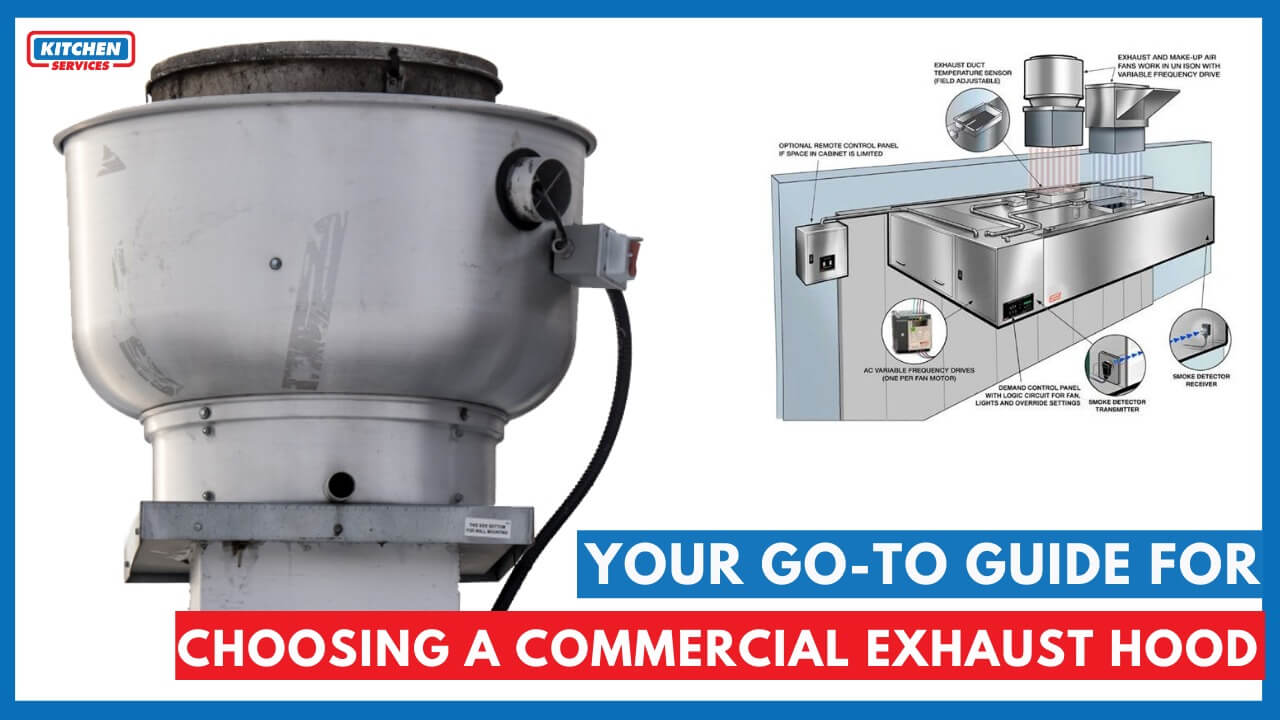
Credit: kitchen.services
What is a Commercial Kitchen Hood?
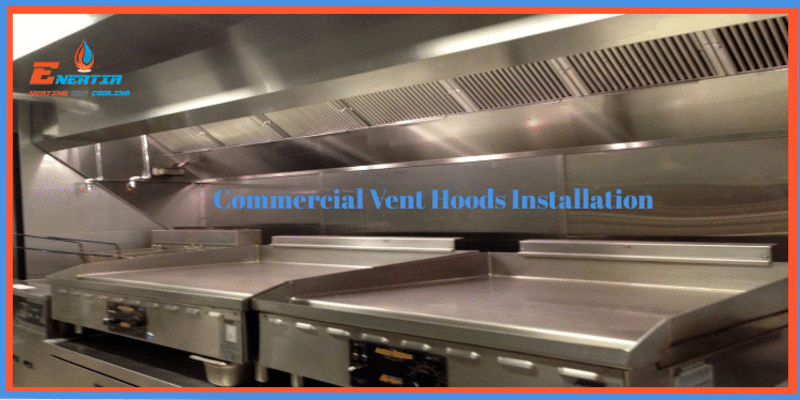
A commercial kitchen hood, also known as a range hood, exhaust hood, or ventilation hood, is a large canopy-like structure that is placed above cooking equipment in a commercial kitchen. Its primary function is to remove heat, smoke, grease, and odors from the air, thereby improving the air quality and safety of the kitchen environment.
Components of a Commercial Kitchen Hood
A commercial kitchen hood consists of several essential components that work together to ensure effective ventilation and exhaust. These components include:
- Filters: These capture grease and other particles to prevent them from entering the ductwork.
- Grease Cups: Collects the grease that is captured by the filters for easy disposal.
- Exhaust Fan: Draws air through the hood and expels it outside the building.
- Ductwork: Transports the air from the hood to the outside of the building.
- Fire Suppression System: A safety feature that activates in case of a fire to prevent its spread.
How Does a Commercial Kitchen Hood Work?
The process of how a commercial kitchen hood works can be broken down into several key steps:
- Containment: When cooking equipment is in use, the hood captures the heat, smoke, grease, and odors that are produced.
- Filtration: The filters in the hood capture grease and other particles, preventing them from entering the ductwork and causing a buildup.
- Exhaust: The exhaust fan draws the contaminated air through the hood and pushes it through the ductwork to the outside of the building.
- Disposal: Grease cups collect the captured grease for easy disposal, preventing it from accumulating in the system.
- Safety: The fire suppression system is in place to activate in case of a fire, quickly suppressing it and preventing its spread through the ductwork.
Credit: www.enertiahvac.com
Benefits of a Commercial Kitchen Hood
Having a commercial kitchen hood in place offers numerous benefits, including:
- Improved Air Quality: By removing heat, smoke, and odors, a kitchen hood helps maintain a cleaner and more comfortable working environment.
- Fire Safety: The fire suppression system reduces the risk of fires spreading through the ductwork, protecting both the kitchen and the building.
- Regulatory Compliance: Many jurisdictions require commercial kitchens to have a hood in place to comply with safety and health regulations.
- Extended Equipment Lifespan: By reducing grease buildup in the kitchen and ductwork, a hood can help extend the lifespan of cooking equipment.
Maintenance of Commercial Kitchen Hoods
To ensure the optimal performance of a commercial kitchen hood, regular maintenance is essential. This includes:
- Cleaning the filters regularly to prevent grease buildup.
- Checking and emptying grease cups to maintain proper airflow.
- Inspecting the exhaust fan and ductwork for any obstructions or damage.
- Testing the fire suppression system to ensure it is in working order.
- Scheduling professional inspections and cleanings as recommended by manufacturers.
Frequently Asked Questions
How Does A Commercial Kitchen Hood Work?
A commercial kitchen hood works by capturing and removing smoke, grease, and odors from the air, ensuring a clean and safe environment.
What Is The Purpose Of A Kitchen Hood?
The purpose of a kitchen hood is to eliminate airborne contaminants, such as grease and smoke, that are produced during cooking, keeping the kitchen air clean and safe.
Why Is A Kitchen Hood Important?
A kitchen hood is important as it helps maintain good indoor air quality by removing pollutants, reducing the risk of health issues and fire hazards in commercial kitchens.
How Does A Kitchen Hood Remove Grease?
A kitchen hood removes grease by utilizing filters that trap grease particles, preventing them from entering the ventilation system and accumulating on surfaces.
Conclusion
Commercial kitchen hoods are indispensable components of any commercial kitchen, ensuring a safe, clean, and compliant working environment. By understanding how these hoods work and the importance of regular maintenance, kitchen operators can optimize the performance and longevity of their equipment.


