
Do You Need Ventilation in a Kitchen? Essential Insights!

When it comes to the design and functionality of a kitchen, ventilation is an essential aspect that should not be overlooked. Proper ventilation in a kitchen is crucial for maintaining air quality, removing cooking odors, preventing the buildup of grease and moisture, and ensuring a safe and comfortable cooking environment. In this article, we will explore the importance of kitchen ventilation, the different types of ventilation systems available, and the benefits of investing in a quality ventilation solution for your kitchen.
The Importance of Kitchen Ventilation
Kitchens are often the heart of a home, where delicious meals are prepared, and cherished memories are made. However, the process of cooking can also generate a significant amount of heat, steam, smoke, and airborne particles. Without proper ventilation, these byproducts of cooking can accumulate in the kitchen, leading to poor indoor air quality, lingering cooking odors, and potential health hazards.
Proper kitchen ventilation helps to remove airborne contaminants, control humidity levels, and prevent the buildup of grease on surfaces and appliances. It also plays a vital role in preventing mold and mildew growth, which can thrive in moist environments. Additionally, effective ventilation can contribute to a more comfortable and enjoyable cooking experience by maintaining a cooler and fresher kitchen environment.
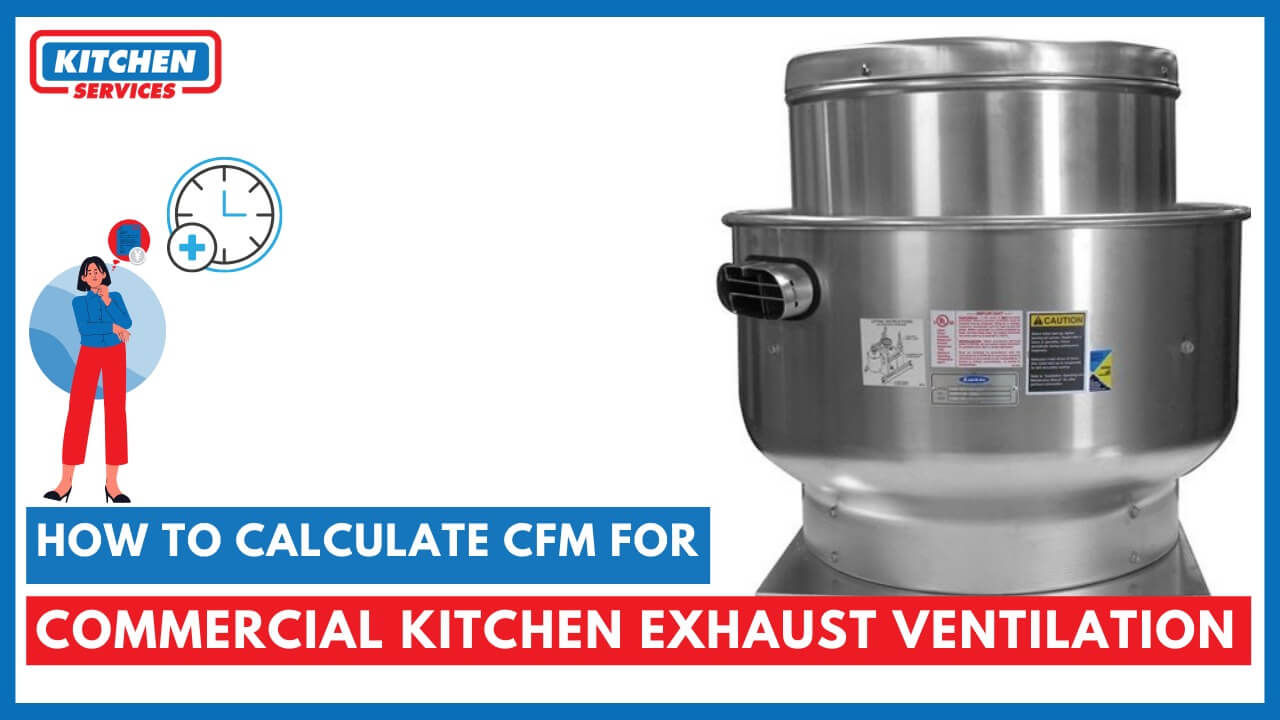
Credit: kitchen.services
Types of Kitchen Ventilation Systems
There are several types of kitchen ventilation systems available, each with its own set of features and benefits. The most common types of kitchen ventilation include:
- Range Hoods: Range hoods are installed above cooktops or ranges and are designed to capture and remove cooking byproducts such as steam, smoke, and odors. They come in various styles, including wall-mounted, under-cabinet, and island hoods, and can be ducted or ductless.
- Extractor Fans: Extractor fans, also known as exhaust fans, are typically mounted on the wall or ceiling and are used to expel stale air and odors from the kitchen to the outdoors. They are particularly effective for improving air circulation and reducing moisture levels.
- Ventilation Hoods: Ventilation hoods are integrated into the kitchen cabinetry and are designed to provide a sleek and unobtrusive solution for removing cooking fumes and odors. They offer a seamless and modern aesthetic while effectively enhancing indoor air quality.
- Down-Draft Ventilation: Down-draft ventilation systems are installed directly into the cooking surface, such as a cooktop, and retract when not in use. They provide a discreet and space-saving option for removing cooking vapors and can be particularly beneficial in kitchen layouts where traditional venting may be challenging.

Credit: www.prolinerangehoods.com
The Benefits of Quality Kitchen Ventilation
Investing in a quality kitchen ventilation system offers a range of benefits that can significantly enhance the functionality and comfort of your kitchen. Some of the key benefits include:
- Improved Air Quality: Effective ventilation helps to remove airborne contaminants, including cooking odors, smoke, and airborne particles, leading to improved indoor air quality and a healthier living environment.
- Reduced Moisture and Condensation: Proper ventilation helps to control humidity levels and reduce the accumulation of moisture and condensation, which can contribute to mold growth and damage to kitchen surfaces and cabinetry.
- Enhanced Comfort: A well-ventilated kitchen can provide a more comfortable cooking experience by maintaining a cooler, fresher, and more pleasant environment, even during intense cooking sessions.
- Odor Control: Effective ventilation removes cooking odors from the kitchen, preventing them from spreading to other areas of the home and lingering long after cooking is complete.
- Protects Surfaces and Cabinetry: By removing grease and cooking byproducts, proper ventilation helps to protect kitchen surfaces, appliances, and cabinetry from the accumulation of grime and grease buildup.
Considerations for Choosing a Kitchen Ventilation System
When selecting a kitchen ventilation system for your home, there are several important factors to consider to ensure that you choose the right solution for your specific needs. Some key considerations include:
- Cooking Habits: Consider the type and frequency of cooking you typically engage in, as well as the size and layout of your kitchen, to determine the most suitable ventilation system for your needs.
- Installation Requirements: Assess the available space and layout of your kitchen to determine whether a ducted or ductless ventilation system would be more practical and feasible for installation.
- Design and Aesthetics: Choose a ventilation system that complements the design and style of your kitchen, whether you prefer a sleek and modern range hood or a discreet built-in ventilation solution.
- Efficiency and Noise Levels: Look for ventilation systems that offer optimal performance and energy efficiency while maintaining low noise levels to ensure a quiet and peaceful kitchen environment.
- Budget and Long-Term Value: Consider the initial investment, ongoing maintenance costs, and long-term value of the ventilation system to make an informed decision that aligns with your budget and quality expectations.
Frequently Asked Questions
Why Is Kitchen Ventilation Important?
Proper ventilation removes cooking odors, heat, and improves indoor air quality in the kitchen.
What Are The Benefits Of Kitchen Ventilation?
Ventilation helps prevent mold, removes harmful pollutants, and enhances overall comfort in the kitchen.
How Does Kitchen Ventilation Improve Air Quality?
By expelling grease, smoke, and cooking fumes, ventilation reduces indoor air pollution effectively.
What Are The Different Types Of Kitchen Ventilation Systems?
Common types include range hoods, ductless hoods, and over-the-range microwaves with ventilation capabilities.
Conclusion
In conclusion, proper ventilation is an essential component of a functional and healthy kitchen. Whether you are renovating an existing kitchen or designing a new one, investing in a quality kitchen ventilation system can have a significant impact on air quality, comfort, and overall cooking experience. By understanding the importance of kitchen ventilation, exploring the available options, and considering the key factors for selection, you can make an informed decision to ensure that your kitchen is equipped with effective and efficient ventilation that meets your specific needs and enhances the heart of your home.


