
Why Do Kitchen Floor Tiles Crack? Avoid These Mistakes!

When it comes to kitchen flooring, tiles are a popular choice due to their durability, versatility, and aesthetic appeal. However, one common issue that homeowners often encounter is cracked tiles. Cracked tiles not only affect the appearance of your kitchen but can also pose safety hazards. In this blog post, we will explore the reasons why kitchen floor tiles crack and provide insights into how you can prevent this issue.
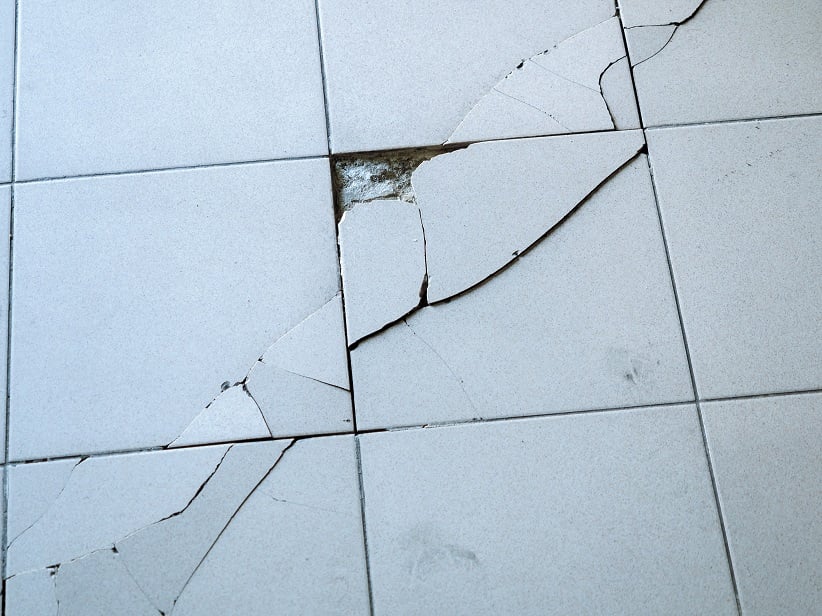
Credit: 50floor.com
1. Substandard Installation
Poor installation is one of the leading causes of cracked floor tiles. If the tiles are not properly installed, they may not adhere to the substrate or each other effectively. This can result in weak spots that are prone to cracking. Hiring a professional tile installer who has experience and expertise in the field is crucial to ensure that the tiles are installed correctly.
2. Insufficient Subfloor Preparation
A well-prepared subfloor is essential for preventing tile cracks. If the subfloor is uneven or has structural issues, it can lead to stress points on the tiles, causing them to crack over time. Proper subfloor preparation, including leveling and ensuring its integrity, is crucial before laying tiles.
3. Thermal Expansion and Contraction
Kitchen environments are subject to temperature changes due to cooking activities, sunlight exposure, and heating systems. Tiles expand when exposed to heat and contract when temperatures drop. These constant changes in size can put stress on the tiles, leading to cracks. Using expansion joints or flexible grout can help accommodate thermal expansion and minimize the risk of tile cracking.
4. Heavy Impact or Weight
Kitchen floors are prone to heavy objects being dropped or placed on them. Heavy impacts can cause tiles to crack, especially if they are not strong enough to withstand the force. Additionally, excessive weight, such as heavy appliances or furniture, can also lead to tile cracking over time. Avoid dropping heavy objects and distribute weight evenly across the floor to reduce the risk of cracks.

Credit: travertine.tilecleaning.co.uk
5. Moisture and Water Damage
Kitchens are high-moisture areas, and if proper waterproofing measures are not taken, moisture can penetrate the tile and subfloor. Over time, this can weaken the tiles and cause them to crack. It is essential to use waterproofing membranes and sealants during the installation process to protect the tiles from moisture damage.
6. Poor Tile Quality
The quality of the tiles themselves can also contribute to cracking issues. Low-quality tiles may not have the necessary strength and durability to withstand everyday wear and tear. Investing in high-quality tiles from reputable manufacturers can significantly reduce the risk of cracking and ensure a long-lasting kitchen floor.
7. Improper Cleaning and Maintenance
Regular cleaning and maintenance are essential to keep your kitchen floor tiles in good condition. Using harsh chemicals, abrasive cleaners, or improper cleaning techniques can damage the tiles and make them more susceptible to cracking. It is recommended to follow the manufacturer’s guidelines for cleaning and maintenance to preserve the integrity of the tiles.
8. Foundation or Structural Issues
In some cases, the cracking of kitchen floor tiles may be an indication of underlying foundation or structural issues. Uneven settling of the foundation or structural movement can cause stress on the tiles, leading to cracks. If you notice widespread tile cracking or other signs of structural problems, it is advisable to consult a professional to assess and address the issue.
Preventing Tile Cracks in the Kitchen
While tile cracks can be frustrating, there are several preventative measures you can take to minimize the risk:
- Hire a professional tile installer for proper installation.
- Ensure the subfloor is well-prepared and level.
- Use expansion joints or flexible grout to accommodate thermal changes.
- Avoid heavy impacts and distribute weight evenly across the floor.
- Apply waterproofing membranes and sealants to protect against moisture damage.
- Invest in high-quality tiles from reputable manufacturers.
- Follow proper cleaning and maintenance practices.
- Address any foundation or structural issues promptly.
By following these guidelines and taking necessary precautions, you can significantly reduce the likelihood of kitchen floor tile cracks. Remember, prevention is key to maintaining a beautiful and durable kitchen floor.
Frequently Asked Questions
Why Do Kitchen Floor Tiles Crack?
Kitchen floor tiles can crack due to heavy loads, improper installation, or subfloor issues.
How To Prevent Kitchen Floor Tiles From Cracking?
Use flexible grout, install proper underlayment, and maintain consistent subfloor support to prevent cracking.
What Are The Best Types Of Tiles For Kitchen Floors?
Porcelain, ceramic, and natural stone tiles are durable and suitable for high-traffic kitchen floors.
Can Temperature Changes Cause Kitchen Floor Tiles To Crack?
Yes, extreme temperature changes can cause tiles to expand and contract, leading to cracks over time.


