
How to Make Kitchen Design Pop: 5 Must-Try Tips

Designing a kitchen can be an exciting and challenging process. Whether you’re renovating an existing kitchen or building a new one, creating the perfect kitchen design requires thoughtful planning and attention to detail. From layout and functionality to materials and color schemes, every decision plays a crucial role in shaping your dream kitchen. In this comprehensive guide, we’ll explore the essential steps and considerations to help you make the perfect kitchen design for your home.
Step 1: Assess Your Needs and Lifestyle
Before diving into the specifics of kitchen design, it’s important to assess your needs and lifestyle. Consider how you use your kitchen and what features are essential to accommodate your daily routines. Whether you’re an avid cook, a busy parent, or an entertainer, understanding your lifestyle will guide the design process and ensure that your kitchen meets your practical and aesthetic requirements.
Step 2: Determine the Kitchen Layout
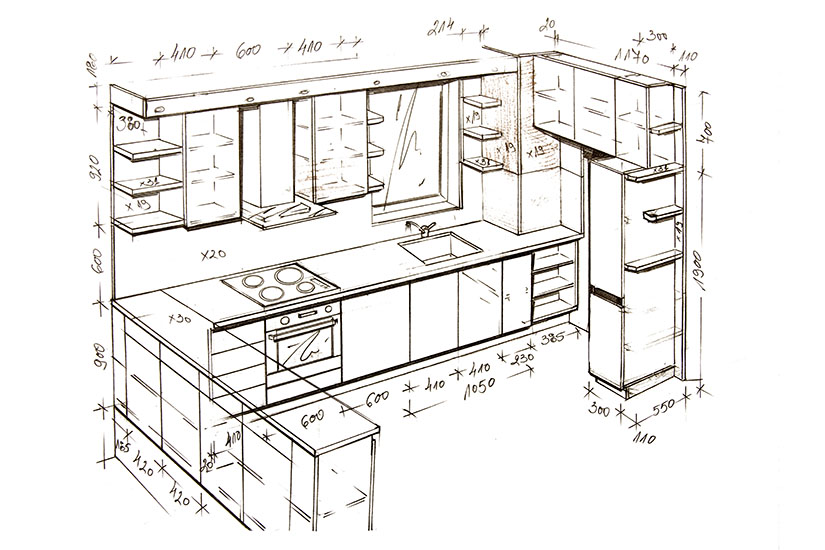
The layout of your kitchen is a critical element that influences its functionality and flow. There are several popular kitchen layouts to consider, including the L-shaped, U-shaped, galley, and open-concept designs. Each layout has its advantages and limitations, so it’s essential to evaluate your space and choose a layout that maximizes efficiency and suits your preferences.
Popular Kitchen Layouts:
| Layout | Advantages | Limitations |
|---|---|---|
| L-Shaped | Maximizes corner space, provides ample work surface | May not be suitable for larger kitchens |
| U-Shaped | Offers abundant storage and work area | Can feel enclosed in smaller spaces |
| Galley | Efficient for small or narrow kitchens | May lack space for dining or socializing |
| Open-Concept | Creates a spacious and connected environment | Requires strategic organization and zoning |
Step 3: Choose Quality Materials and Finishes
When it comes to kitchen design, the choice of materials and finishes significantly impacts the overall look and feel of the space. From countertops and cabinetry to flooring and backsplashes, selecting high-quality materials is essential for durability and aesthetic appeal. Consider factors such as maintenance, durability, and style coherence when choosing materials to ensure a cohesive and functional kitchen design.
Step 4: Focus on Storage and Organization
Efficient storage and organization are key components of a well-designed kitchen. Incorporating ample storage solutions, such as cabinets, drawers, and pantry space, is essential for keeping your kitchen clutter-free and organized. Additionally, integrating smart organization systems, such as pull-out shelves, dividers, and built-in bins, can optimize the usability of your kitchen and streamline your daily tasks.
Step 5: Lighting and Ventilation Considerations
Proper lighting and ventilation are crucial aspects of kitchen design that often impact the comfort and functionality of the space. Incorporating a combination of task lighting, ambient lighting, and accent lighting can enhance visibility and create a welcoming atmosphere. Furthermore, ensuring adequate ventilation, such as range hoods or windows, is essential for maintaining air quality and removing cooking odors from the kitchen.
Step 6: Color Scheme and Design Elements
The color scheme and design elements play a significant role in defining the style and ambiance of your kitchen. Whether you prefer a timeless and neutral palette or a bold and vibrant aesthetic, choosing a cohesive color scheme and integrating complementary design elements, such as hardware, fixtures, and decorative accents, can elevate the visual appeal of your kitchen design.
Step 7: Consider Technological Integration
With advancements in technology, integrating smart appliances and innovative gadgets into your kitchen design can enhance convenience and efficiency. From smart refrigerators and touchless faucets to voice-controlled lighting and automated cooking appliances, the possibilities for technological integration in the kitchen are endless. Assess your technological needs and preferences to incorporate the right features that align with your lifestyle.
Credit: www.europeancabinets.com
Step 8: Seek Professional Guidance
While embarking on the journey of designing your dream kitchen, seeking professional guidance can provide valuable insights and expertise. Consulting with kitchen designers, interior decorators, or architects can offer tailored solutions and creative ideas that align with your vision. Professional guidance can help you navigate the complexities of kitchen design and ensure a seamless and successful transformation of your space.
:strip_icc()/black-white-kitchen-island-231bb15e-eaca8648a73a46f5a191437468c75bb3.jpg)
Credit: www.bhg.com
Frequently Asked Questions
How Can I Design My Kitchen Layout?
Start by measuring your kitchen space, consider your storage needs, and choose your kitchen style.
What Is The Best Kitchen Design For A Small Kitchen?
Maximize storage space with cabinets, shelves, and pull-out drawers. Use light colors and simple designs.
What Are Some Popular Kitchen Design Styles?
Popular kitchen design styles include modern, farmhouse, industrial, and traditional.
How Can I Make My Kitchen Look More Modern?
Use simple and sleek designs, add stainless steel appliances, and incorporate a neutral color palette.
Conclusion
In conclusion, creating the perfect kitchen design for your home requires a strategic approach and careful consideration of various factors. By assessing your needs, determining the layout, choosing quality materials, prioritizing storage and organization, and integrating essential design elements, you can craft a kitchen that not only meets your functional requirements but also reflects your personal style. With a focus on practicality, aesthetics, and innovation, your dream kitchen can become a reality, providing a delightful and inspiring space for culinary adventures and cherished moments with family and friends.
Remember, the key to a successful kitchen design lies in meticulous planning, attention to detail, and a clear vision of your desired outcome. By following these steps and embracing creativity, you can embark on an exciting journey to transform your kitchen into a stunning and functional centerpiece of your home.


