
Where Does Kitchen Vent Go: Essential Guide to Proper Routing

Kitchen ventilation systems play a crucial role in maintaining a healthy and comfortable environment in your home. They help remove smoke, odors, and grease from the air, improving indoor air quality and preventing the buildup of harmful pollutants. One key component of a kitchen ventilation system is the kitchen vent, also known as a range hood or extractor hood.
What Is a Kitchen Vent?
A kitchen vent is a device that is installed above your stove or cooktop to capture and remove airborne contaminants produced during cooking. It consists of a fan that draws in air, a filter that traps grease and other particles, and a duct that expels the air outside your home. Kitchen vents come in various sizes and styles, ranging from simple under-cabinet models to more sophisticated island hoods.
Where Does the Kitchen Vent Go?
Once the kitchen vent has captured the airborne contaminants, the next step is to expel them outside your home. The ductwork connected to the kitchen vent is responsible for directing the contaminated air to the outside. But where does the kitchen vent go?
1. Exterior Wall Ventilation
One common option for venting a kitchen hood is through an exterior wall. In this setup, the ductwork runs horizontally through the wall and releases the contaminated air directly outside. This is a simple and cost-effective solution that works well for kitchens located near an exterior wall.
2. Roof Ventilation
Another popular option is to vent the kitchen hood through the roof. The ductwork runs vertically through the ceiling and out through the roof, allowing the contaminated air to escape into the atmosphere. While this method requires more complex installation, it is effective in removing pollutants from the kitchen.
3. Recirculating Ventilation
Some kitchen vents are designed for recirculating ventilation, where the air is filtered and then released back into the kitchen. While this option does not involve venting the air outside, it helps improve indoor air quality by removing grease and odors. However, it is not as effective as venting the air outside.
Benefits of Proper Ventilation
Proper ventilation in the kitchen offers several benefits beyond just removing odors and smoke. Here are some of the key advantages of having a well-functioning kitchen ventilation system:
- Improved Indoor Air Quality: Venting out pollutants prevents them from circulating in your home, leading to cleaner and healthier indoor air.
- Reduced Risk of Health Issues: Breathing in airborne contaminants like grease and cooking fumes can contribute to respiratory problems and other health issues.
- Prevention of Grease Buildup: A kitchen vent helps prevent grease buildup on surfaces, reducing the risk of fire hazards and prolonging the life of your kitchen appliances.
- Enhanced Comfort: Removing cooking odors and excess heat makes your kitchen a more comfortable and inviting space for cooking and dining.
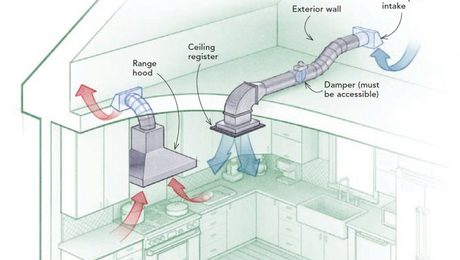
Credit: www.greenbuildingadvisor.com

Credit: www.canadianhomeinspection.com
Maintaining Your Kitchen Ventilation System
To ensure that your kitchen ventilation system functions effectively, regular maintenance is essential. Here are some tips to help you maintain your kitchen vent:
- Clean or replace the filters regularly to prevent grease buildup and maintain airflow.
- Check the ductwork for any blockages or damage that may hinder proper ventilation.
- Keep the fan and motor of the kitchen vent clean and lubricated for optimal performance.
- Inspect the exterior vent cap to ensure it is free from obstructions that could impede airflow.
Frequently Asked Questions
Where Should A Kitchen Vent Go?
A kitchen vent should go outside your home to remove smoke and odor effectively.
What Is A Range Hood Vent?
A range hood vent is a device that exhausts smoke, steam, and cooking odors from your kitchen.
Can You Vent A Range Hood Into The Attic?
No, it is not advisable to vent a range hood into the attic. It can cause mold and moisture issues.
What Is The Ideal Height For A Range Hood?
The ideal height for a range hood is 24 to 30 inches above the cooktop.
Conclusion
In conclusion, the kitchen vent plays a vital role in maintaining a clean, healthy, and comfortable kitchen environment. By properly venting out airborne contaminants, you can improve indoor air quality, reduce health risks, and enhance the overall functionality of your kitchen. Whether you choose to vent your kitchen hood through an exterior wall, the roof, or opt for recirculating ventilation, ensuring that your ventilation system is well-maintained is key to reaping the benefits of proper ventilation.


