
Kitchen Ventilation Options: Breathe Easy with These Tips

When it comes to maintaining a healthy and clean home, one area that is often overlooked is kitchen ventilation. The cooking process can release a variety of particles and gases into the air, including grease, smoke, and odors, which can not only affect the air quality in your home but also leave behind stubborn residues on surfaces. In this article, we will explore the importance of kitchen ventilation and discuss the various options available to ensure that your kitchen remains a fresh and comfortable space for you and your family.
Why Kitchen Ventilation is Essential
Proper kitchen ventilation is crucial for a number of reasons. Firstly, it helps to remove cooking by-products such as smoke, grease, and steam, preventing them from settling on surfaces and causing a buildup of grime and odors. Ventilation also plays a key role in improving indoor air quality by expelling harmful airborne particles and gases, which can have adverse effects on respiratory health. In addition, effective ventilation can help to reduce the risk of mold and mildew growth by controlling humidity levels in the kitchen.
The Options: A Comprehensive Guide
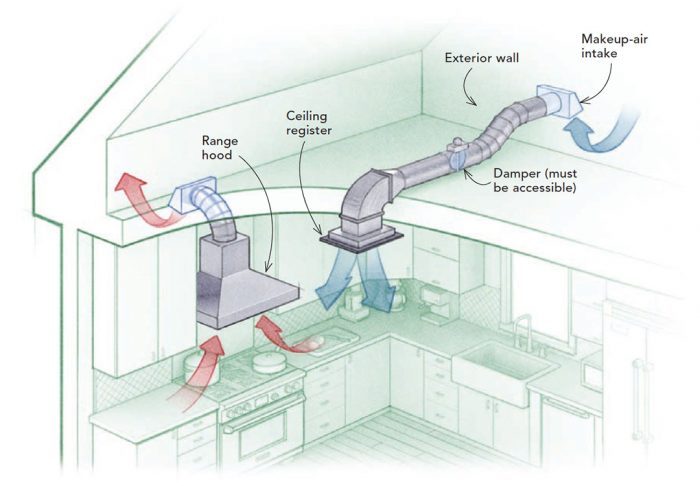
When it comes to kitchen ventilation, there are several options to choose from, each with its own set of features and benefits. Let’s take a closer look at some of the most popular kitchen ventilation options available on the market today:
1. Range Hoods
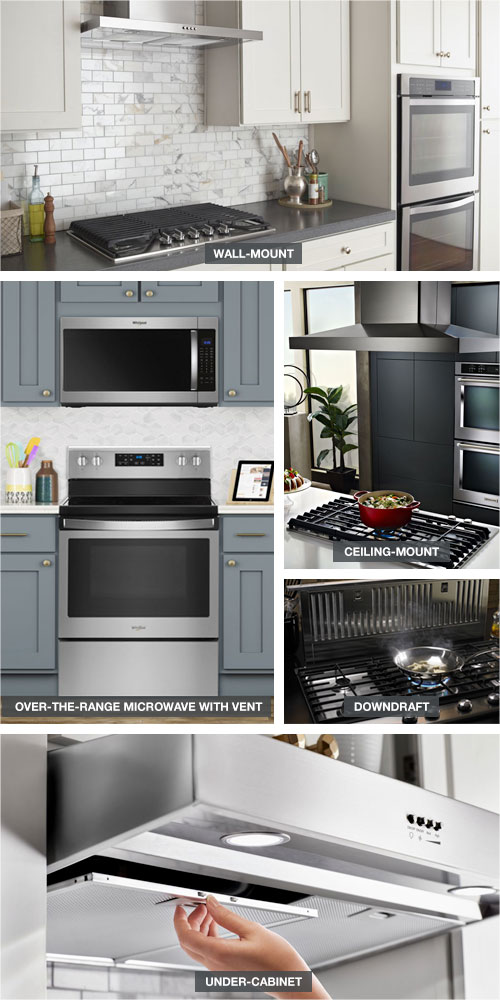
Range hoods are a common and versatile option for kitchen ventilation. They come in various styles, including wall-mounted, island, under-cabinet, and downdraft models, making them suitable for different kitchen layouts. Range hoods work by capturing and extracting airborne particles and odors through a system of filters and ducts, helping to keep the air in your kitchen clean and fresh.
2. Over-the-Range Microwaves
For those looking to save space in their kitchen, over-the-range microwaves with built-in ventilation can be a convenient choice. These appliances combine the functions of a microwave and a ventilation hood, effectively removing cooking fumes and odors while providing a cooking solution in one compact unit.
3. Ductless Range Hoods
For kitchens where installing ductwork may be challenging, ductless range hoods offer a practical solution. Instead of venting air outside, these hoods use filters to trap grease and odors before recirculating the clean air back into the kitchen. While they may not be as effective as ducted range hoods, they are a suitable option for kitchens with limited ventilation options.
4. Downdraft Ventilation Systems
Ideal for kitchen islands and open-concept layouts, downdraft ventilation systems are designed to retract and disappear when not in use, providing an unobstructed view and a seamless look in the kitchen. When activated, they rise from the countertop to capture cooking by-products at the source, offering an alternative to traditional overhead ventilation.
5. Ceiling-Mounted Kitchen Ventilation Fans
For commercial-grade ventilation performance, ceiling-mounted kitchen ventilation fans are a powerful choice. These fans are capable of moving large volumes of air, making them suitable for spacious kitchens or cooking areas with high heat and smoke production. They offer enhanced airflow and can be an effective solution for maintaining a comfortable and odor-free kitchen environment.
6. Under-Cabinet Range Hoods
Designed to fit neatly beneath kitchen cabinets, under-cabinet range hoods are a space-saving option that provides efficient ventilation for stovetops. They come in various widths and styles to complement different kitchen designs, offering a discreet yet effective solution for removing cooking odors and airborne particles.
Credit: www.pcrichard.com
Factors to Consider When Choosing Kitchen Ventilation
When selecting a ventilation option for your kitchen, there are several important factors to consider to ensure that you choose the most suitable solution for your needs:
1. Kitchen Layout And Design
The layout and design of your kitchen will play a significant role in determining the most appropriate ventilation option. Consider the placement of your cooktop or range, the available space for installation, and the overall aesthetic of your kitchen when making your decision.
2. Cooking Habits And Frequency
Your cooking habits and the frequency of your culinary endeavors will also impact your ventilation needs. If you frequently prepare meals that involve high-heat cooking methods or produce significant amounts of smoke and odors, you may require a more robust ventilation solution.
3. Noise Level
For many homeowners, the noise level of the ventilation system is an important consideration. Some ventilation options, such as ceiling-mounted fans, may produce higher levels of noise compared to others. Take into account your tolerance for noise and the impact it may have on your overall kitchen experience.
4. Maintenance And Cleaning
Another crucial factor to consider is the maintenance and cleaning requirements of the ventilation option. Ducted range hoods, for example, may require periodic cleaning of filters and ductwork, while ductless models may need filter replacement. Factor in the time and effort you are willing to invest in maintaining your chosen ventilation system.
5. Ventilation Performance
Ultimately, the effectiveness of the ventilation system in capturing and removing cooking by-products should be a key consideration. Look for options that offer high ventilation performance, efficient filtration, and the ability to keep your kitchen air clean and fresh.
Credit: www.greenbuildingadvisor.com
Frequently Asked Questions
What Is Kitchen Ventilation And Why Is It Important?
Kitchen ventilation is the process of removing smoke, odors, and moisture from your kitchen. It is crucial for maintaining good indoor air quality and preventing health problems.
What Are The Different Types Of Kitchen Ventilation Systems?
The most common types of kitchen ventilation systems are range hoods, downdraft systems, and recirculating hoods. Each has its own advantages and disadvantages.
How Do I Know Which Kitchen Ventilation System Is Right For Me?
Consider factors such as your cooking habits, kitchen layout, and budget when choosing a kitchen ventilation system. Consult with a professional to ensure you make the best decision.
How Often Do I Need To Clean My Kitchen Ventilation System?
It is recommended to clean your kitchen ventilation system at least once every six months. However, if you cook frequently, you may need to clean it more often.
Conclusion
Choosing the right kitchen ventilation option is essential for maintaining a healthy and comfortable home environment. Whether you opt for a traditional range hood, a space-saving over-the-range microwave, or a powerful ceiling-mounted ventilation fan, there are numerous options available to suit your kitchen’s specific needs. By considering factors such as kitchen layout, cooking habits, noise level, and maintenance requirements, you can select a ventilation solution that not only enhances the air quality in your kitchen but also contributes to a fresher, healthier living space for you and your family.
Investing in effective kitchen ventilation is a valuable step towards creating a pleasant and hygienic cooking environment, and with the range of options available today, you can find the perfect solution to meet your kitchen ventilation needs.


