
How to Vent Kitchen Island: Ultimate Guide & Tips

Having a kitchen island can be a fantastic addition to your home. It not only provides extra counter space and storage but also acts as a gathering place for friends and family. However, one common challenge when it comes to kitchen islands is ventilation. In this article, we will discuss different options to effectively vent your kitchen island and keep your cooking area fresh and odor-free.
1. Ducted Range Hoods
A ducted range hood is the most effective way to vent your kitchen island. It works by extracting the air and odors produced during cooking and expelling them outside your home through a duct system. Ducted range hoods come in various sizes and styles, allowing you to choose one that complements your kitchen design.
When installing a ducted range hood for your kitchen island, it is essential to plan the ductwork properly. The ducts should be routed through the ceiling or walls to an exterior vent. Ensure that the ducts are large enough to handle the airflow and minimize any bends or turns that may restrict the airflow.
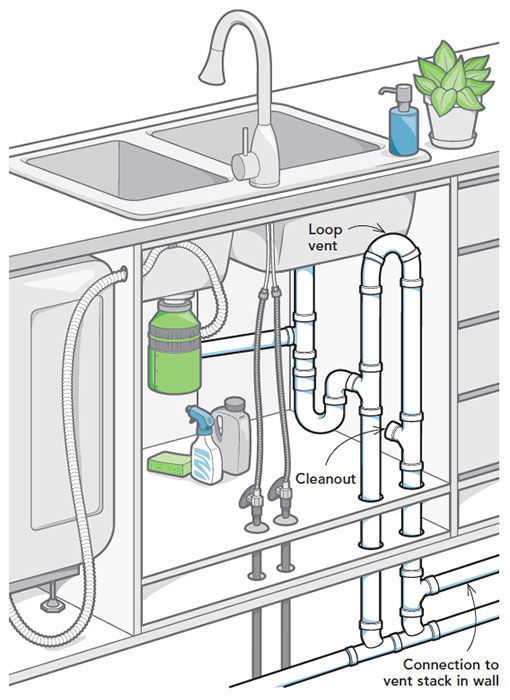
Credit: www.finehomebuilding.com
2. Downdraft Ventilation System
If installing ductwork for a range hood is not feasible in your kitchen, you can consider a downdraft ventilation system. This type of system is installed directly into your kitchen island and works by pulling the air downwards and then expelling it outside through ductwork located beneath the floor.
Downdraft ventilation systems are a popular choice for kitchen islands because they don’t obstruct the view or create a visual barrier in the kitchen. They are available in both electric and gas options, allowing you to choose the one that suits your cooking preferences.
3. Recirculating Range Hoods
If ductwork is not an option and you don’t want to invest in a downdraft system, a recirculating range hood can be an alternative solution. This type of range hood does not require any ductwork and instead uses filters to capture grease, smoke, and odors. The filtered air is then recirculated back into the kitchen.
While recirculating range hoods are not as effective as ducted or downdraft systems, they can still help improve air quality in your kitchen. It is essential to regularly clean or replace the filters to maintain their efficiency. Additionally, consider using a range hood with a higher CFM (cubic feet per minute) rating to ensure better performance.
4. Island Chimney Hoods
If you prefer a more decorative option for your kitchen island, an island chimney hood can be an excellent choice. These hoods are mounted on the ceiling above the island and provide both ventilation and a stylish focal point in your kitchen.
Island chimney hoods work similarly to ducted range hoods by extracting the air and odors and venting them outside through ductwork. They are available in various designs and finishes, allowing you to find one that matches your kitchen’s style. Ensure that the hood’s size and capacity are suitable for your cooking needs.

Credit: www.familyhandyman.com
5. Consider Professional Installation
When it comes to venting a kitchen island, it is often best to consult with a professional. They can assess your kitchen layout, recommend the most suitable ventilation options, and ensure proper installation. Professional installation will not only ensure optimal performance but also adhere to local building codes and safety regulations.
Additionally, a professional can help determine the correct size and placement of the range hood or downdraft system, ensuring that it effectively captures the cooking fumes and odors.
Frequently Asked Questions
How To Vent A Kitchen Island Without A Hood?
To vent a kitchen island without a hood, consider installing a downdraft vent or a ceiling-mounted range hood.
What Are The Benefits Of Venting A Kitchen Island?
Venting a kitchen island helps to remove cooking odors, steam, and smoke, improves indoor air quality, and prevents grease buildup.
Can A Kitchen Island Be Vented Through The Floor?
Yes, a kitchen island can be vented through the floor using an under-floor duct system or a floor vent.
What Are The Options For Venting A Kitchen Island?
Options for venting a kitchen island include downdraft vents, ceiling-mounted range hoods, and overhead island hoods.
Conclusion
Venting your kitchen island is crucial to maintain a clean and comfortable cooking environment. Whether you opt for a ducted range hood, downdraft system, recirculating range hood, or island chimney hood, each option has its advantages and considerations. It is essential to evaluate your kitchen layout, budget, and personal preferences to determine the most suitable ventilation solution for your kitchen island. If you’re unsure, consult with a professional who can guide you through the process and ensure the optimal performance of your ventilation system.


