
How to Improve Ventilation in Kitchen: Fresh Air Solutions

Proper ventilation in the kitchen is essential for maintaining a healthy environment and ensuring the safety of your home. Inadequate ventilation can lead to the buildup of odors, smoke, and harmful pollutants, which can have a negative impact on your health and well-being. By improving ventilation in your kitchen, you can create a more comfortable and safe space for cooking and spending time with your family.
1. Install a Range Hood
One of the most effective ways to improve ventilation in your kitchen is by installing a range hood. A range hood helps to remove smoke, steam, and cooking odors from the air, keeping your kitchen fresh and clean. When choosing a range hood, opt for one that is the correct size for your stove and that has sufficient airflow capacity to effectively remove pollutants from the air.
2. Open Windows and Doors
Another simple way to improve ventilation in your kitchen is by opening windows and doors while cooking. This allows fresh air to circulate and helps to remove cooking odors and excess moisture from the air. If your kitchen has a window, consider installing a window fan to help draw out smoke and odors more efficiently.
3. Use Exhaust Fans
Exhaust fans are another great way to improve ventilation in your kitchen. Consider installing an exhaust fan above your stove to help remove smoke and cooking odors directly from the source. Additionally, using a bathroom exhaust fan in your kitchen can help to improve overall air circulation and ventilation.
4. Keep Kitchen Clean
Maintaining a clean kitchen is essential for good ventilation. Grease and grime can build up on surfaces and appliances, reducing the effectiveness of ventilation systems. Regularly clean your stove, range hood, and countertops to ensure that air can flow freely and pollutants can be effectively removed from the air.
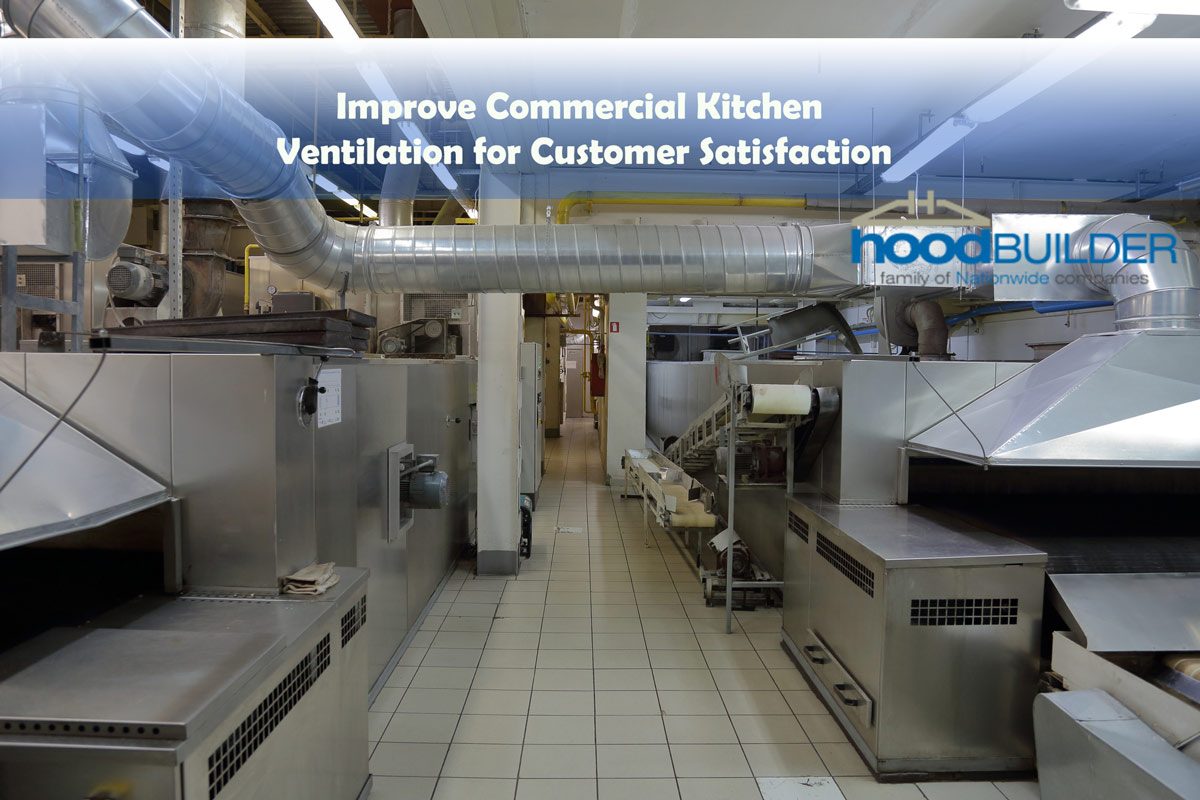
Credit: www.hoodbuilder.com
5. Use Natural Ventilation
Take advantage of natural ventilation in your kitchen by strategically placing windows and vents to encourage airflow. Consider installing a skylight or a vent in the ceiling to help hot air escape and fresh air enter the kitchen. Natural ventilation is a cost-effective and energy-efficient way to improve air quality in your home.
6. Consider a Ductless Range Hood
If installing a ducted range hood is not feasible in your kitchen, consider a ductless range hood as an alternative. Ductless range hoods use charcoal filters to remove smoke and odors from the air before recirculating it back into the kitchen. While not as effective as ducted range hoods, ductless range hoods can still help to improve ventilation in your kitchen.
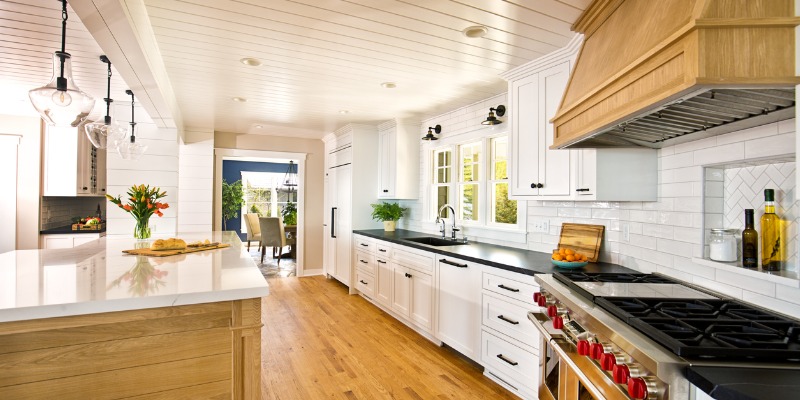
Credit: www.guelphclimatecare.ca
7. Control Moisture Levels
Excess moisture in the air can lead to mold growth and poor indoor air quality. To improve ventilation in your kitchen, use a dehumidifier to control moisture levels and prevent the buildup of mold and mildew. Additionally, ensure that your kitchen is well-ventilated to allow moisture to escape and prevent condensation on windows and surfaces.
8. Consider Installing a Ventilation System
If your kitchen lacks proper ventilation, consider installing a mechanical ventilation system to improve air quality. A heat recovery ventilator (HRV) or energy recovery ventilator (ERV) can help to remove stale air from your home and replace it with fresh, filtered air. These systems are designed to improve indoor air quality and can be customized to meet the specific ventilation needs of your kitchen.
9. Properly Maintain Ventilation Systems
To ensure that your ventilation systems are working effectively, it is important to regularly maintain and clean them. Replace filters in range hoods and exhaust fans as needed to ensure that they can effectively remove pollutants from the air. Additionally, schedule regular inspections of your ventilation systems to identify and address any issues that may be impacting their performance.
10. Seek Professional Help
If you are unsure how to improve ventilation in your kitchen or if you are experiencing persistent air quality issues, consider seeking help from a professional. An HVAC technician or indoor air quality specialist can assess your ventilation needs and recommend solutions to help improve air quality and ventilation in your kitchen.
By following these tips and implementing effective ventilation strategies, you can improve air quality, reduce odors, and create a healthier and more comfortable environment in your kitchen. Proper ventilation is key to maintaining a safe and enjoyable cooking space for you and your family.
Frequently Asked Questions
How Can I Improve Ventilation In My Kitchen?
Improving ventilation in your kitchen is crucial for maintaining a healthy and comfortable environment. Here are a few effective methods you can try:
Why Is Proper Kitchen Ventilation Important?
Proper kitchen ventilation is important for several reasons. It helps remove smoke, odors, and pollutants, improves air quality, and prevents the buildup of moisture and condensation, which can lead to mold and mildew growth.
What Are The Benefits Of Installing A Range Hood?
Installing a range hood can significantly enhance kitchen ventilation. It effectively captures and removes cooking fumes, grease, and odors, preventing them from spreading throughout your home. Additionally, it helps keep your kitchen clean and reduces the risk of indoor air pollution.
Can Opening Windows Improve Kitchen Ventilation?
Opening windows can provide temporary relief by allowing fresh air to enter the kitchen. However, it may not be sufficient for proper ventilation, especially during extreme weather conditions. Utilizing a range hood or exhaust fan in conjunction with open windows is a more effective approach.


