
How to Fix Kitchen Fan: Quick & Easy Solutions | DIY Repair Parts & Troubleshooting

Having a properly functioning kitchen fan is essential for maintaining good air quality and preventing the buildup of cooking odors and grease. However, like any other household appliance, kitchen fans can encounter problems from time to time. If you’re dealing with a malfunctioning kitchen fan, don’t worry – this comprehensive guide will walk you through the troubleshooting process and provide step-by-step instructions for fixing common issues.
Step 1: Identify the Problem
The first step in fixing a kitchen fan is to identify the specific issue you’re dealing with. Common problems include strange noises, a fan that won’t turn on, poor airflow, or excessive vibration. Take some time to observe the fan and listen for any unusual sounds or vibrations. Additionally, check to see if the fan is receiving power by testing the electrical outlet it’s connected to.
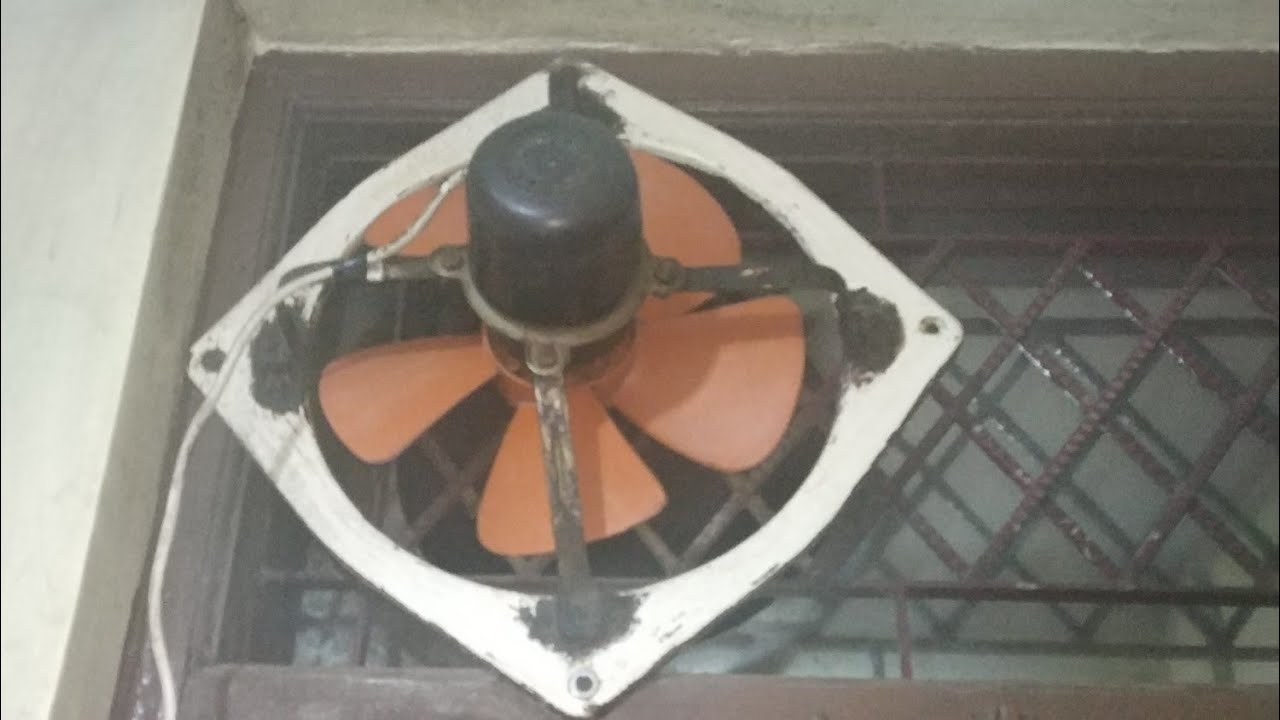
Credit: www.youtube.com
Step 2: Clean the Fan Blades and Housing
One of the most common causes of kitchen fan issues is a buildup of dirt, grease, and debris on the fan blades and housing. Over time, this buildup can impede the fan’s performance and cause it to operate less efficiently. To address this, start by turning off the power to the fan at the circuit breaker. Once the power is off, remove the fan cover and carefully clean the blades and housing using a mild detergent and a soft brush. Be sure to dry the components thoroughly before reassembling the fan.
Step 3: Check the Electrical Connections
If the fan still isn’t working properly after cleaning, the next step is to check the electrical connections. Start by turning off the power to the fan at the circuit breaker and removing the fan cover. Inspect the wiring connections to ensure that they are secure and free from damage. If you notice any loose or frayed wires, they will need to be repaired or replaced. It’s important to exercise caution when working with electrical components, so if you’re unsure, it’s best to consult a professional electrician.
Step 4: Lubricate the Fan Motor
If your kitchen fan is making a squeaking or grinding noise, it’s possible that the fan motor needs lubrication. Start by turning off the power to the fan at the circuit breaker and removing the fan cover. Locate the fan motor and apply a few drops of lightweight household oil to the oil ports (if applicable). Be sure to use a lubricant that is specifically designed for use with electric motors. After lubricating the motor, run the fan briefly to distribute the oil and see if the noise has subsided.

Credit: www.alamy.com
Step 5: Inspect the Fan Belt (If Applicable)
Some kitchen fans are equipped with a belt-driven motor, and if this is the case for your fan, a worn or damaged belt could be the source of the problem. Start by turning off the power to the fan at the circuit breaker and removing the fan cover. Inspect the fan belt for signs of wear, fraying, or damage. If you notice any issues, the belt will need to be replaced. Be sure to consult the fan’s manual or manufacturer for guidance on the correct replacement belt for your specific model.
Step 6: Test the Fan Switch
If your kitchen fan has a switch for controlling the speed or turning the fan on and off, a faulty switch could be the reason for the malfunction. Start by turning off the power to the fan at the circuit breaker and removing the fan cover. Using a multimeter, test the continuity of the switch to determine if it is functioning properly. If the switch is found to be faulty, it will need to be replaced. Again, if you’re not comfortable working with electrical components, it’s best to seek the help of a professional.
Step 7: Verify Proper Ventilation Duct Installation
In some cases, a poorly installed or obstructed ventilation duct can impede the performance of a kitchen fan. Start by turning off the power to the fan at the circuit breaker and removing the fan cover. Inspect the ventilation duct for any kinks, blockages, or damage. Additionally, ensure that the duct is properly connected to the exterior vent. If you notice any issues, address them accordingly to restore proper airflow and ventilation in your kitchen.
Step 8: Reassemble the Fan and Test
After addressing the specific issue affecting your kitchen fan, carefully reassemble the fan, ensuring that all components are securely in place. Once the fan is reassembled, turn the power back on at the circuit breaker and test the fan to see if the problem has been resolved. Listen for any unusual noises, check for proper airflow, and verify that the fan is operating as it should.
Step 9: Schedule Regular Maintenance
Prevent future kitchen fan issues by scheduling regular maintenance. This can include cleaning the fan blades and housing, lubricating the motor, and inspecting the electrical connections. By staying proactive with maintenance, you can prolong the life of your kitchen fan and ensure that it continues to operate efficiently.
Frequently Asked Questions
How Can I Fix My Kitchen Fan?
To fix your kitchen fan, start by cleaning the blades and motor, tighten any loose screws, and replace any damaged parts.
Why Is My Kitchen Fan Not Working?
Your kitchen fan may not be working due to a faulty motor, a damaged blade, or a loose connection. Check these components and replace or repair as necessary.
How Often Should I Clean My Kitchen Fan?
You should clean your kitchen fan at least once every three months to prevent buildup of grease and dust, which can impede its function.
Can I Replace The Motor In My Kitchen Fan?
Yes, you can replace the motor in your kitchen fan. Make sure to choose a motor that is compatible with the fan’s specifications.
Conclusion
Fixing a kitchen fan doesn’t have to be a daunting task. By following the step-by-step guide outlined in this article, you can troubleshoot and address common issues that may be affecting your kitchen fan’s performance. Remember to always prioritize safety when working with electrical components, and don’t hesitate to seek professional assistance if needed. With proper maintenance and care, your kitchen fan can continue to provide effective ventilation and air quality for years to come.


