
How Often Should You Clean Your Kitchen’s Hood Filters: A Guide

Cleaning the ventilation hood filters in your kitchen is an essential task that often gets overlooked. Over time, these filters can become clogged with grease, dirt, and other contaminants, reducing their effectiveness and potentially posing a fire hazard. To maintain a healthy and safe kitchen environment, it’s important to clean your ventilation hood filters regularly. But how often should you clean them?
Factors Affecting Cleaning Frequency
The frequency of cleaning your ventilation hood filters can depend on several factors:
| Factor | Impact |
|---|---|
| Cooking Frequency | Regular, high-volume cooking may require more frequent cleaning. |
| Cooking Practices | Frying and grilling produce more grease and smoke, necessitating more frequent cleaning. |
| Type of Filter | Metal filters may require less frequent cleaning compared to charcoal filters. |

Credit: www.prolinerangehoods.com
General Guidelines for Cleaning
While the specific frequency may vary based on the factors mentioned above, there are some general guidelines you can follow:
- Monthly Cleaning: For most households, a monthly cleaning schedule is a good starting point. This can help prevent excessive buildup of grease and grime.
- Bi-Monthly Cleaning: If you cook infrequently or use your kitchen lightly, you may be able to stretch the cleaning interval to every two months.
- Quarterly Cleaning: If you rarely cook or primarily use your kitchen for light meals, you can consider cleaning the filters every three months.
Signs That Your Filters Need Cleaning
Aside from following a specific schedule, it’s important to pay attention to the condition of your ventilation hood filters. There are several signs that indicate it’s time to clean them:
- Visible grease buildup on the filter surface.
- Reduced airflow and suction in the kitchen.
- Increased smoke and odors during cooking.
- Soot or grease deposits on surrounding surfaces.
Steps to Clean Ventilation Hood Filters
When it’s time to clean your ventilation hood filters, here are the steps you can follow:
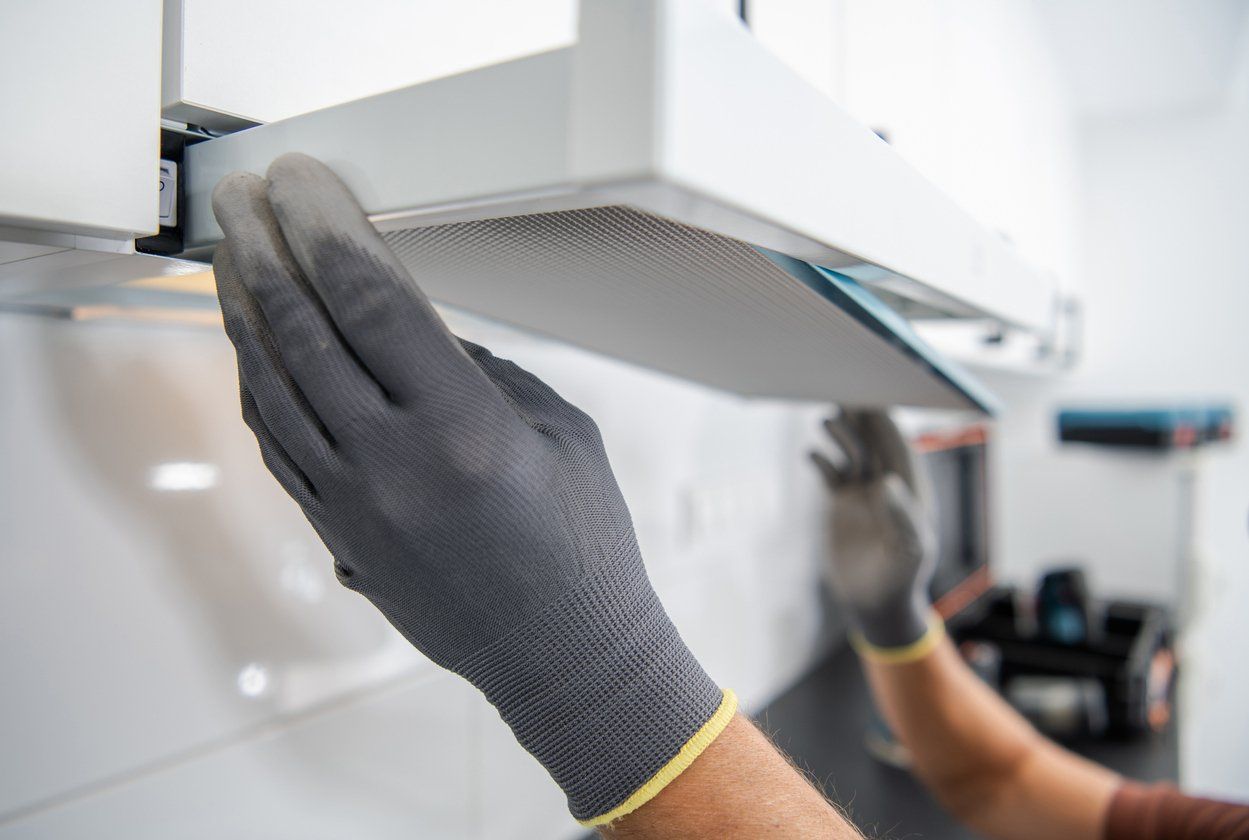
- Remove the Filters: Depending on your hood’s design, you may need to unscrew or release the filters to take them out.
- Soak in Hot, Soapy Water: Fill a sink or large container with hot water and add a degreasing dish soap. Let the filters soak for 10-15 minutes to loosen the grease and grime.
- Scrub the Filters: After soaking, use a non-abrasive brush or sponge to scrub the filters, paying attention to areas with heavy buildup.
- Rinse and Dry: Thoroughly rinse the filters with hot water to remove all soap and grime. Allow them to air dry completely before re-installing.
Credit: www.midwestductcleaning.com
Benefits of Regular Cleaning
Regular cleaning of your ventilation hood filters offers several advantages:
- Improved Air Quality: Clean filters help remove smoke, odors, and airborne grease particles, improving the air quality in your kitchen.
- Fire Safety: Reduced grease buildup lowers the risk of a kitchen fire, promoting a safer cooking environment.
- Enhanced Efficiency: Clean filters allow your ventilation system to operate more efficiently, maintaining proper airflow and suction.
- Extended Lifespan: By keeping the filters clean, you can prolong their lifespan and reduce the need for premature replacements.
Frequently Asked Questions
How Often Should Hood Filters Be Cleaned?
Regularly clean every 1 to 3 months for optimal performance and air quality.
What Happens If I Don’t Clean The Filters?
Neglected filters can lead to poor ventilation, unpleasant odors, and potential fire hazards.
Can Dirty Filters Affect Kitchen Air Quality?
Yes, dirty filters can release contaminants, affecting indoor air quality and health.
What Are The Signs That Filters Need Cleaning?
Look out for grease buildup, decreased airflow, and lingering cooking smells.
Conclusion
Ensuring that your ventilation hood filters are cleaned at the appropriate intervals is crucial for maintaining a healthy and safe kitchen environment. By considering factors such as cooking frequency, following general cleaning guidelines, and paying attention to signs of buildup, you can establish a cleaning routine that works for your specific needs. Regular cleaning not only promotes better air quality and safety but also contributes to the longevity of your ventilation system. Make it a priority to keep your kitchen ventilation hood filters clean, and enjoy a healthier cooking environment for you and your family.


