
Why is My Kitchen Floor Not Level? Top Solutions Revealed

1. Foundation Issues
One of the primary reasons for an uneven kitchen floor is foundation problems. Over time, the ground beneath your home may shift, causing the foundation to settle unevenly. This can lead to an unlevel kitchen floor. If you suspect that foundation issues are the cause of your uneven floor, it is crucial to consult with a professional foundation repair expert who can assess the situation and recommend appropriate repairs.
2. Poor Installation
Another common cause of an unlevel kitchen floor is poor installation. If the floor was not properly installed, it may result in an uneven surface. This can happen if the subfloor was not adequately prepared or if the flooring material was not installed correctly. It is essential to hire experienced and skilled professionals for kitchen floor installation to ensure a level and durable result.
3. Subfloor Problems
The subfloor is the layer beneath your flooring material that provides stability and support. If there are issues with the subfloor, such as rot, water damage, or structural problems, it can lead to an uneven kitchen floor. Inspect the subfloor for any signs of damage and address these issues before replacing or reinstalling the flooring.
4. Settling and Aging
Over time, settling and aging can cause your kitchen floor to become uneven. This is especially common in older homes where the natural shifting of the structure can result in an unlevel floor. Regular maintenance and periodic inspections can help identify and address these issues before they worsen.
5. Water Damage
Water damage can wreak havoc on your kitchen floor, causing warping, swelling, and ultimately leading to an uneven surface. Leaks from plumbing fixtures or appliances, such as dishwashers or refrigerators, can result in moisture seeping into the flooring material and causing it to expand or contract unevenly. Addressing any water damage promptly is crucial to prevent further damage to your kitchen floor.
6. Structural Changes
If you’ve made structural changes to your kitchen, such as removing walls or installing new cabinetry, it can impact the levelness of your floor. These changes may require adjustments to the subfloor or the addition of support beams to ensure the floor remains level and stable. Consult with a professional contractor or structural engineer to assess the impact of any structural changes on your kitchen floor.

Credit: twitter.com
7. Natural Factors
In some cases, natural factors beyond your control can cause an uneven kitchen floor. For example, if your home is located on uneven terrain or in an area prone to earthquakes, the ground movement can result in an unlevel floor. While you may not be able to prevent these natural factors, you can take steps to minimize their impact by ensuring proper installation and maintenance of your kitchen floor.
How to Fix an Uneven Kitchen Floor
Fixing an uneven kitchen floor depends on the underlying cause of the problem. Here are a few possible solutions:
1. Foundation Repair
If foundation issues are the cause of your uneven floor, it is crucial to consult with a professional foundation repair expert. They will assess the extent of the damage and recommend appropriate repairs, which may involve leveling the foundation or adding support piers.
2. Flooring Replacement
If the unevenness is due to poor installation or damaged flooring material, replacing the floor may be necessary. This will involve removing the existing flooring, addressing any subfloor issues, and installing new flooring material correctly to ensure a level surface.
3. Subfloor Repair
If the subfloor is damaged or compromised, it will need to be repaired or replaced. This may involve removing the flooring material, addressing the subfloor issues, and reinstalling the floor to ensure a level and stable result.
4. Structural Adjustments
If structural changes have caused the floor to become uneven, consulting with a professional contractor or structural engineer is essential. They will assess the impact of the changes and recommend appropriate adjustments, such as reinforcing the subfloor or adding support beams.
5. Regular Maintenance
To prevent future issues with your kitchen floor, it is essential to perform regular maintenance. This includes addressing any water damage promptly, inspecting the subfloor for signs of damage, and addressing any structural issues as they arise.
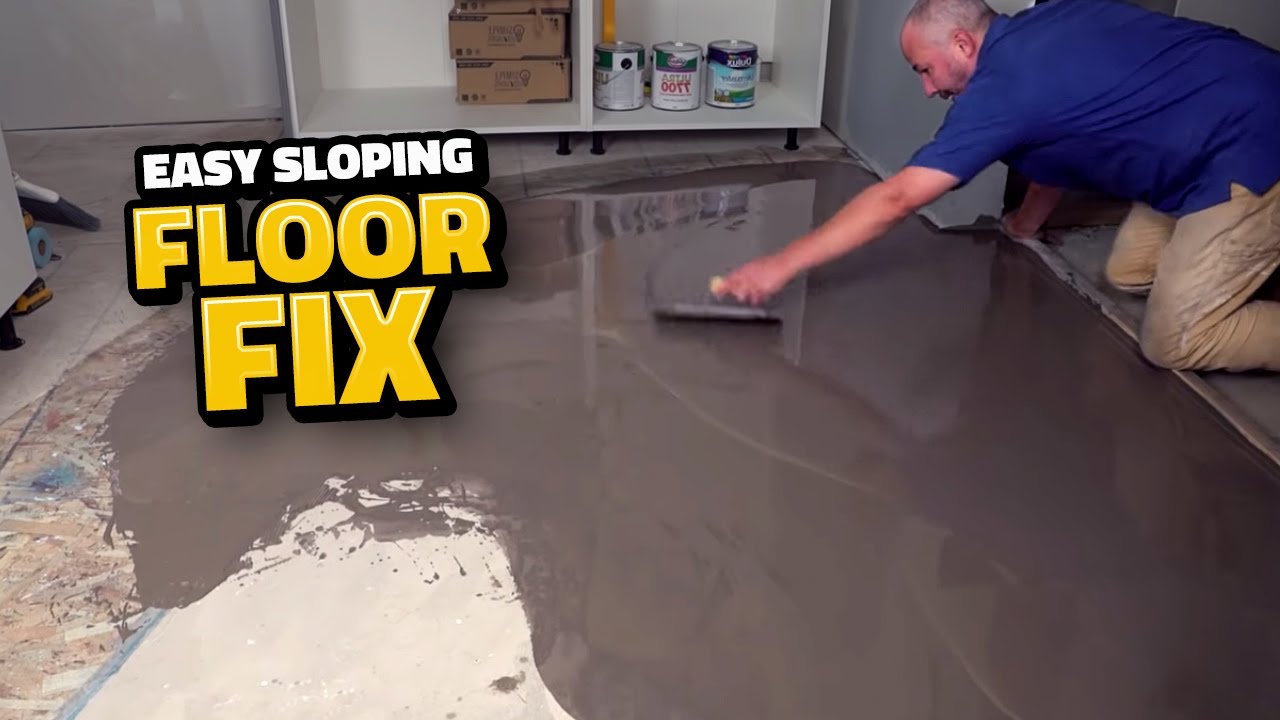
Credit: www.youtube.com
Frequently Asked Questions
Why Is My Kitchen Floor Not Level?
Uneven settling, moisture issues, or poor installation can cause a kitchen floor to be unlevel.
How Can I Fix An Unlevel Kitchen Floor?
Fixing an unlevel kitchen floor involves identifying the cause and addressing it through leveling compounds or professional help.
What Problems Can An Unlevel Floor Cause?
An unlevel kitchen floor can lead to difficulty in installing cabinets, uneven tile or hardwood flooring, and potential safety hazards.
Is An Unlevel Kitchen Floor A Serious Issue?
An unlevel kitchen floor may indicate underlying problems that can affect the structural integrity of the house.
Conclusion
An uneven kitchen floor can be a frustrating issue that affects the functionality and aesthetics of your kitchen. By understanding the potential causes of an unlevel floor and implementing appropriate solutions, you can restore the levelness and durability of your kitchen floor. Whether it involves foundation repairs, flooring replacement, or subfloor repairs, consulting with professionals is crucial to ensure a proper and long-lasting solution. Regular maintenance and timely addressing of any issues will help prevent future problems and keep your kitchen floor in optimal condition.


