
What is Kitchen Floor Trends 2023: Unlock the Secrets

When it comes to designing your dream kitchen, one of the most important aspects to consider is the flooring. The kitchen floor not only needs to be aesthetically pleasing but also durable and practical. With so many options available in the market, choosing the right kitchen flooring can be a daunting task. In this article, we will explore what kitchen flooring is and provide you with some tips on how to choose the perfect flooring for your home.
What is Kitchen Flooring?
Kitchen flooring refers to the materials used to cover the floor surface in a kitchen. It plays a crucial role in the overall design and functionality of the space. The right kitchen flooring can enhance the beauty of your kitchen while providing a comfortable and safe surface for everyday activities.
There are various factors to consider when selecting kitchen flooring, such as durability, ease of maintenance, water resistance, and style. Different materials offer different advantages and disadvantages, so it’s essential to understand your options before making a decision.
Types of Kitchen Flooring
Let’s explore some of the most popular types of kitchen flooring:
1. Tile
Tile flooring is a classic choice for kitchens due to its durability and versatility. It comes in a wide range of materials, including ceramic, porcelain, and natural stone. Tile flooring is resistant to stains, water, and scratches, making it an excellent choice for high-traffic areas like the kitchen. It is also relatively easy to clean and maintain, making it ideal for busy households.
2. Hardwood
Hardwood flooring adds warmth and elegance to any kitchen. It is available in various species, including oak, maple, and cherry, each offering its unique grain pattern and color. Hardwood floors are durable, long-lasting, and can be refinished if necessary. However, they are susceptible to water damage and require regular maintenance to keep them looking their best.
3. Laminate
Laminate flooring is a cost-effective alternative to hardwood. It is made of multiple layers of synthetic materials, including a high-resolution image of wood grain or stone texture. Laminate flooring is resistant to stains, scratches, and fading, making it an excellent choice for kitchens. It is also relatively easy to install and maintain.
4. Vinyl
Vinyl flooring is a popular choice for kitchens due to its affordability and durability. It comes in sheets, tiles, or planks and offers a wide range of styles and colors. Vinyl flooring is water-resistant, easy to clean, and comfortable underfoot. It is also less prone to scratches and dents compared to other flooring options.
5. Cork
Cork flooring is a sustainable and eco-friendly choice for kitchens. It is made from the bark of the cork oak tree and is known for its natural warmth and resilience. Cork flooring is comfortable to walk on, reduces noise, and provides excellent insulation. It is also resistant to water and stains, but it requires regular sealing to maintain its durability.
6. Concrete
Concrete flooring is a trendy option for modern kitchens. It offers a sleek and industrial look and can be stained or polished for a unique finish. Concrete floors are extremely durable, easy to clean, and resistant to water and stains. However, they can be hard on the feet and may require regular sealing to prevent cracking.
:max_bytes(150000):strip_icc()/GettyImages-535698335-5a859f3c6edd6500361e3efc.jpg)
Credit: www.thespruce.com
How to Choose the Right Kitchen Flooring
Now that you are familiar with the different types of kitchen flooring, here are some tips to help you choose the right one for your home:
1. Consider Your Lifestyle
Think about your lifestyle and how you use your kitchen. If you have a busy household with children and pets, durable and stain-resistant flooring like tile or vinyl may be the best option. If you prefer a more luxurious and timeless look, hardwood or natural stone flooring could be the right choice.
2. Evaluate Your Budget
Set a budget for your kitchen flooring and explore options that fall within your price range. Keep in mind that some materials may require additional expenses for installation or maintenance, so consider the long-term costs as well.
3. Consider Maintenance Requirements
Think about how much time and effort you are willing to spend on maintaining your kitchen floor. Some materials, like hardwood and cork, require regular sealing and refinishing, while others, like tile and laminate, are relatively low maintenance.
4. Assess The Durability
Consider the durability of the flooring material and how it will hold up to daily wear and tear. Look for options that are resistant to scratches, stains, and water damage, especially if you have a busy kitchen with heavy foot traffic.
5. Think About Style And Aesthetics
Choose a kitchen flooring material that complements the overall style and design of your kitchen. Consider the color, texture, and finish that will best suit your desired aesthetic. Take into account the existing elements in your kitchen, such as cabinets and countertops, to ensure a cohesive look.
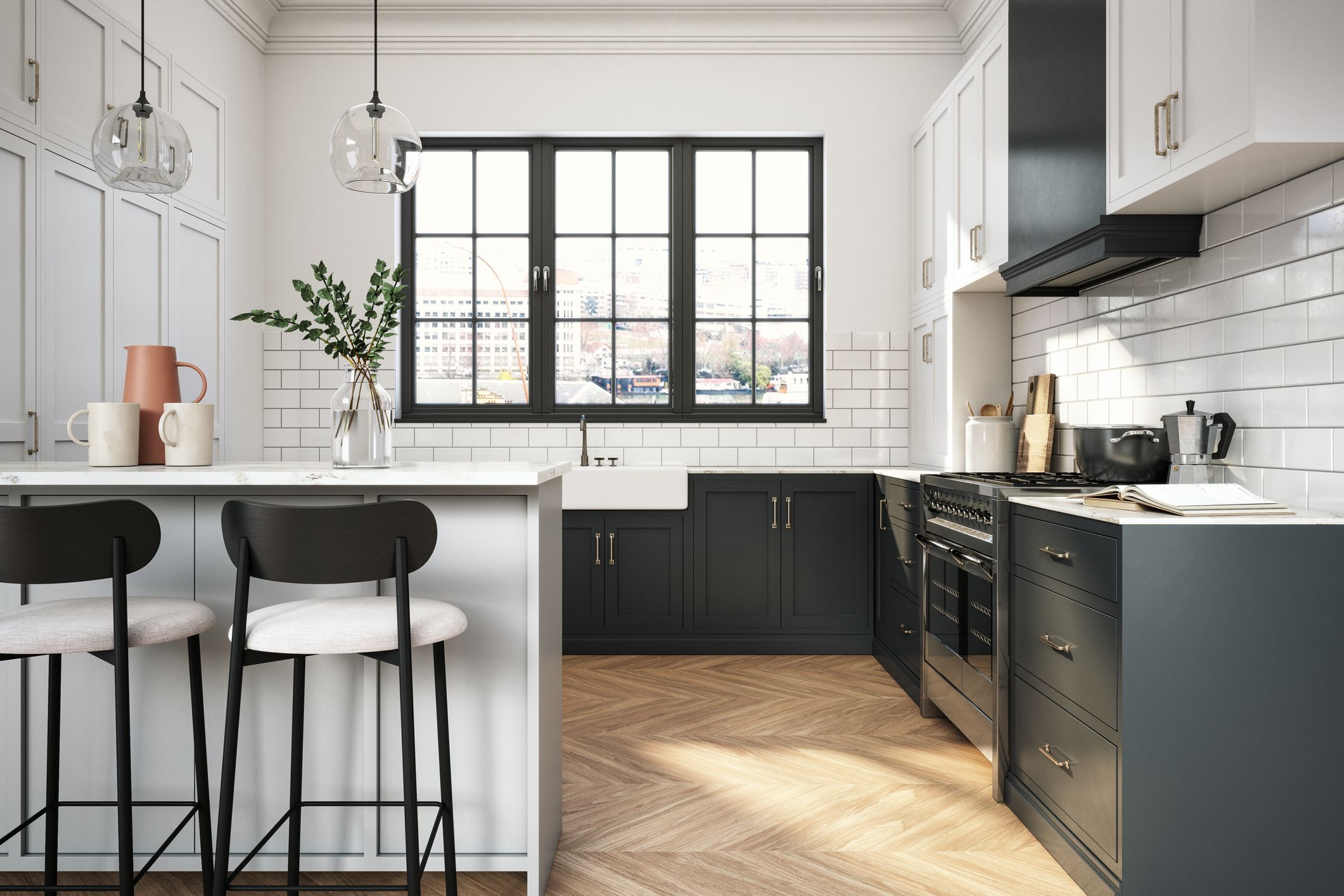
Credit: www.housebeautiful.com
Frequently Asked Questions
What Are The Best Flooring Options For A Kitchen?
The best flooring options for a kitchen include tile, hardwood, laminate, and vinyl. Consider durability and easy maintenance.
How Can I Choose The Right Kitchen Flooring Material?
Consider the traffic in your kitchen, your style preference, and maintenance requirements when choosing the right kitchen flooring material.
Is It Important To Consider Water Resistance When Choosing Kitchen Flooring?
Yes, it’s crucial to choose water-resistant flooring for the kitchen to prevent damage from spills and frequent cleaning.
What Is The Average Lifespan Of Kitchen Flooring?
The average lifespan of kitchen flooring varies based on the material; for example, hardwood can last 20-25 years with proper care.
Conclusion
Kitchen flooring is an essential element in creating a functional and visually appealing space. It is crucial to choose a flooring material that meets your needs in terms of durability, maintenance, and style. Whether you opt for tile, hardwood, laminate, vinyl, cork, or concrete, make sure to consider your lifestyle, budget, and aesthetic preferences. With the right kitchen flooring, you can create a beautiful and practical space that will withstand the test of time.


