
What Do Kitchen Designers Do: Crafting Culinary Spaces

Kitchen designers are professionals who specialize in creating functional and aesthetically pleasing kitchen spaces. They play a crucial role in helping homeowners bring their kitchen design dreams to life. Let’s delve deeper into what kitchen designers do and how they can transform your kitchen into a beautiful and practical space.
1. Consultation and Assessment
One of the first steps in the kitchen design process is the consultation and assessment phase. Kitchen designers will meet with homeowners to discuss their needs, preferences, and budget. They will assess the existing kitchen space, take measurements, and identify any structural limitations that may impact the design.
2. Design Development
Once the consultation and assessment are complete, kitchen designers will begin developing the design concept. They will create detailed layouts, including the placement of appliances, cabinets, countertops, and other elements. Designers will also consider factors such as traffic flow, lighting, and storage solutions to ensure a functional and efficient kitchen design.
3. Material Selection
Kitchen designers help homeowners select materials for their kitchen, such as cabinetry, countertops, flooring, and backsplashes. They provide guidance on the best materials to use based on the client’s preferences, budget, and lifestyle. Designers also help coordinate the ordering and delivery of materials to ensure a smooth construction process.
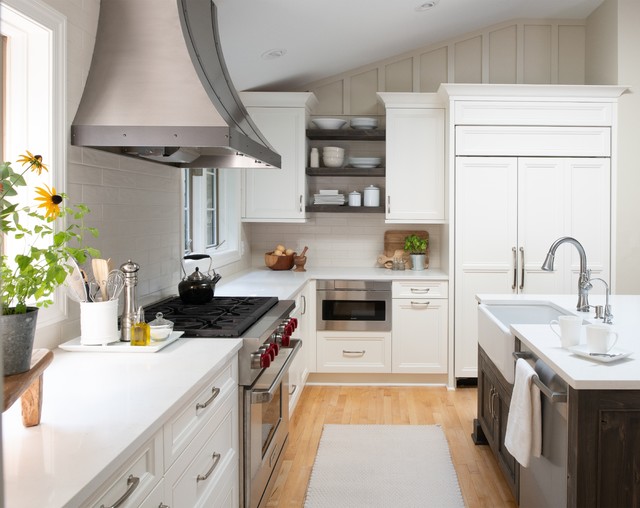
Credit: www.houzz.com
4. Collaboration with Contractors
Once the design concept is finalized, kitchen designers work closely with contractors and other professionals to bring the vision to life. They oversee the construction process, ensuring that the design is implemented correctly and according to the plan. Designers collaborate with contractors on timelines, budgets, and any necessary modifications during the construction phase.
5. Styling and Finishing Touches
After the construction is complete, kitchen designers focus on styling and adding finishing touches to the space. They help homeowners select paint colors, hardware, lighting fixtures, and accessories to complement the overall design. Designers pay attention to details to ensure that the kitchen is not only functional but also visually appealing.

Credit: www.huntskitchendesigns.com
6. Problem Solving and Adaptability
Kitchen designers are skilled problem solvers who can overcome challenges that may arise during the design and construction process. They are adaptable and can adjust the design to accommodate unexpected issues or changes in the client’s requirements. Designers work diligently to find creative solutions that meet the client’s needs and exceed their expectations.
7. Keeping Up with Trends
Another important aspect of what kitchen designers do is staying current with the latest trends and innovations in kitchen design. They are knowledgeable about new materials, technologies, and design styles that can enhance the functionality and aesthetics of a kitchen. Designers use their expertise to incorporate these trends into their designs and offer clients cutting-edge solutions.
8. Client Communication and Collaboration
Kitchen designers prioritize effective communication and collaboration with their clients throughout the design process. They listen to the client’s ideas, provide expert advice, and ensure that the final design reflects the client’s vision and preferences. Designers maintain open lines of communication to address any concerns or questions that may arise and keep the client informed every step of the way.
9. Attention to Detail
Attention to detail is a hallmark of kitchen designers. They meticulously plan every aspect of the kitchen design, from the layout to the materials to the finishing touches. Designers pay close attention to measurements, proportions, and aesthetics to create a cohesive and harmonious design that meets the client’s needs and enhances the overall functionality of the space.
10. Customization and Personalization
One of the key benefits of working with a kitchen designer is the ability to customize and personalize the design to suit the client’s unique preferences and lifestyle. Designers tailor the design to reflect the client’s taste, whether it’s a modern, traditional, or eclectic style. They work closely with clients to create a one-of-a-kind kitchen that is both beautiful and practical.
Frequently Asked Questions
What Qualifications Do Kitchen Designers Need?
Kitchen designers often have a degree in interior design or architecture. Certifications from the National Kitchen & Bath Association are also a plus.
How Do Kitchen Designers Charge For Their Services?
Kitchen designers typically charge either a flat fee or an hourly rate. The fee is determined based on the scope of the project.
What Is The Process For Designing A Kitchen?
The process for designing a kitchen typically involves an initial consultation, drafting a design plan, selecting materials, and overseeing installation.
What Trends Are Popular In Kitchen Design?
Popular trends in kitchen design include open-concept layouts, kitchen islands, smart appliances, and sustainable materials.
Conclusion
In conclusion, kitchen designers play a vital role in creating functional, beautiful, and personalized kitchen spaces for homeowners. From consultation and design development to material selection and styling, kitchen designers are involved in every step of the design process. They bring creativity, expertise, and attention to detail to ensure that the final design meets the client’s needs and exceeds their expectations. If you’re looking to transform your kitchen into a stunning and efficient space, consider hiring a kitchen designer to help bring your vision to life.


