
Kitchen Design Ideas for Restaurants: Top Trends & Tips

When it comes to restaurant success, the kitchen plays a crucial role. An efficient and well-designed kitchen can enhance productivity, improve food quality, and create a more seamless dining experience for customers. In this article, we’ll explore some of the top kitchen design ideas for restaurants that can help streamline operations and elevate the overall dining experience.
1. Open Kitchen Layout
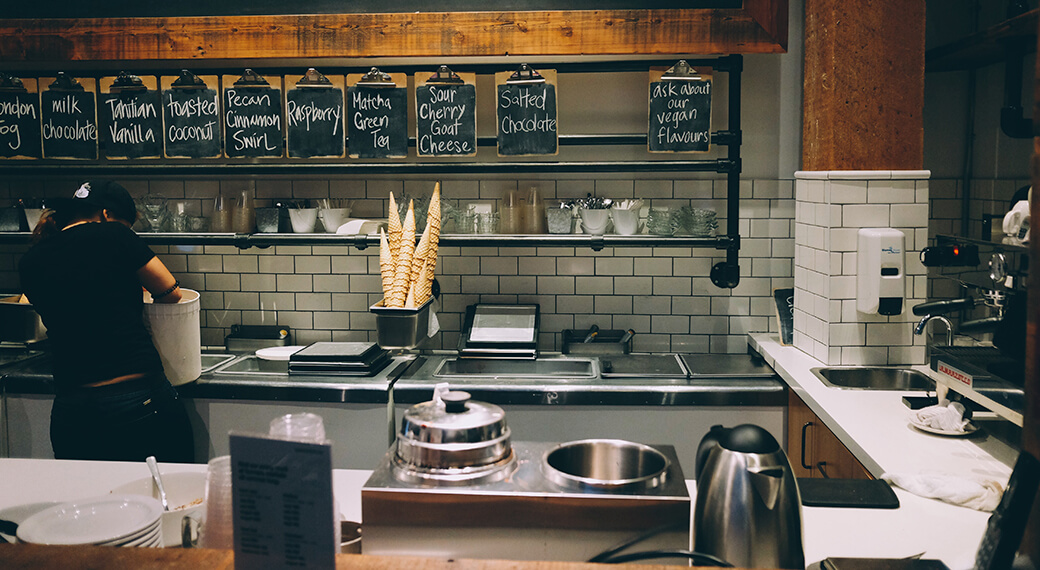
An open kitchen layout not only adds a touch of modernity to a restaurant but also allows customers to witness the culinary expertise in action. This design concept creates a sense of transparency and can be a unique selling point for the restaurant. It also fosters a connection between the kitchen staff and diners, enhancing the overall dining experience.
2. Efficient Space Planning
Space planning is crucial for optimizing the functionality of a restaurant kitchen. By strategically placing workstations, equipment, and storage areas, it’s possible to create a smooth workflow that minimizes unnecessary movements and maximizes efficiency. Proper space planning can also help in creating designated areas for food preparation, cooking, plating, and cleaning, ensuring that each task is carried out seamlessly.
3. High-Quality Ventilation Systems
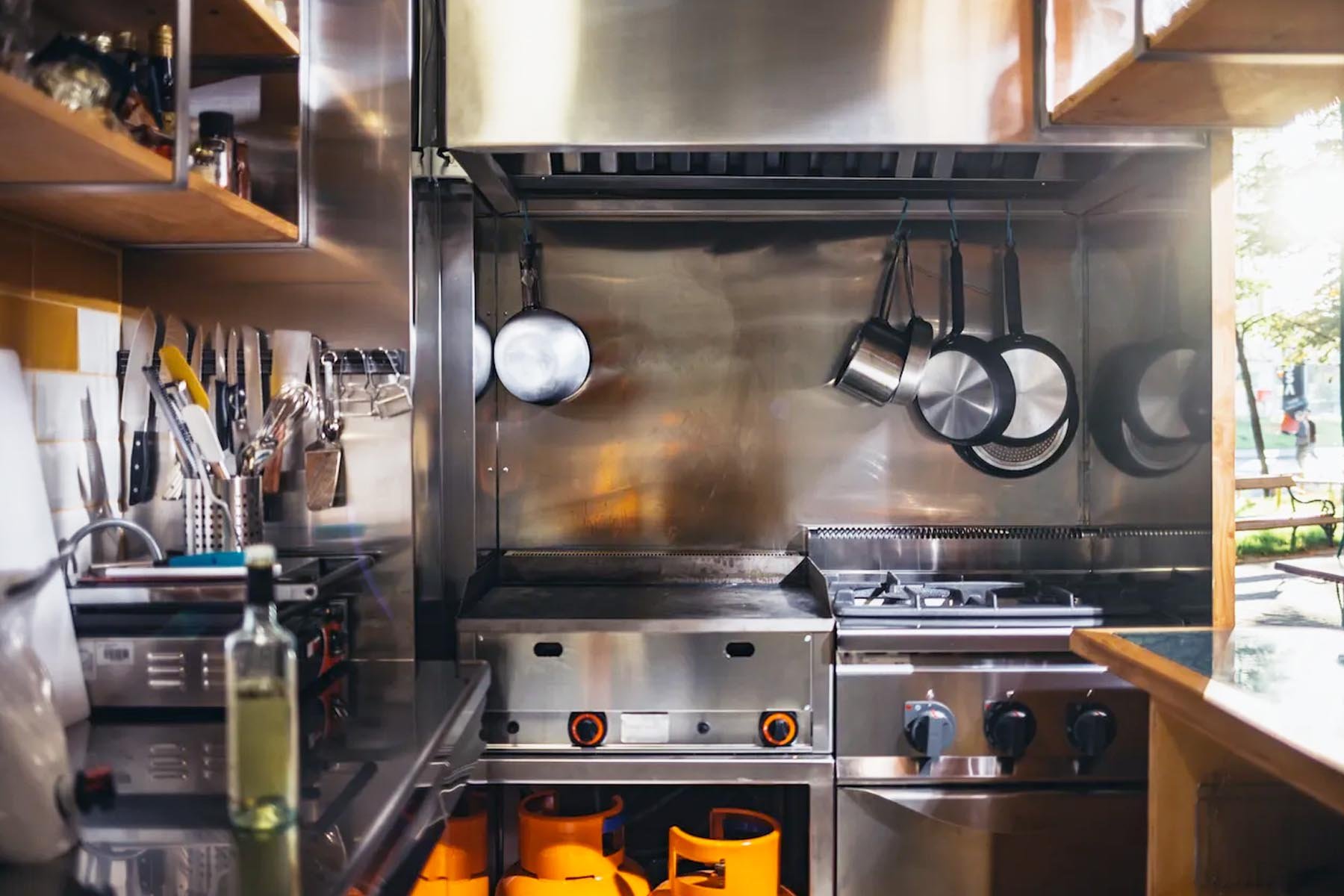
A well-designed ventilation system is essential for maintaining a comfortable and safe kitchen environment. Proper ventilation helps to remove excess heat, grease, and cooking odors, ensuring that the kitchen remains a pleasant place to work. Additionally, a high-quality ventilation system is crucial for meeting health and safety regulations, making it an indispensable component of restaurant kitchen design.
4. Versatile and Durable Surfaces
The surfaces in a restaurant kitchen should be both versatile and durable to withstand the demands of a busy culinary environment. Stainless steel countertops and worktables are a popular choice for their durability, resistance to heat and stains, and ease of cleaning. Additionally, using non-porous materials for kitchen surfaces can help maintain a hygienic environment and prevent the growth of bacteria.
5. Smart Storage Solutions
Effective storage solutions are essential for maintaining an organized and efficient kitchen. Incorporating ample shelving, cabinets, and storage racks can help keep kitchen supplies, utensils, and ingredients neatly organized and easily accessible. Utilizing space-saving storage solutions, such as wall-mounted shelves and ceiling-hung pot racks, can also help maximize the available space in the kitchen.
Credit: www.wasserstrom.com
6. Energy-Efficient Equipment
Investing in energy-efficient kitchen equipment not only helps reduce operational costs but also demonstrates a commitment to sustainability. Energy-efficient appliances, such as refrigerators, ovens, and dishwashers, can significantly lower energy consumption without compromising performance. Additionally, opting for ENERGY STAR certified equipment can contribute to a more environmentally friendly kitchen operation.
7. Proper Lighting
Lighting plays a crucial role in creating a functional and inviting restaurant kitchen. Adequate task lighting is essential for illuminating work areas and ensuring that kitchen staff can perform their duties safely and efficiently. Additionally, incorporating ambient lighting can contribute to the overall ambiance of the kitchen, enhancing the dining experience for customers.
8. Ergonomic Design
An ergonomic kitchen design focuses on creating a workspace that minimizes physical strain and fatigue for the kitchen staff. This can include the strategic placement of equipment and workstations to reduce unnecessary movements, as well as the use of anti-fatigue mats to provide comfort and support for staff who spend long hours on their feet. By prioritizing ergonomic design, restaurant owners can promote a healthier and more productive work environment.
9. Incorporation of Technology
Integrating technology into the restaurant kitchen can streamline operations and enhance efficiency. From digital inventory management systems to kitchen display systems that facilitate order management, technology can help minimize errors and improve communication among kitchen staff. Additionally, incorporating state-of-the-art cooking equipment with advanced features can elevate the culinary capabilities of the kitchen.
10. Customized Workflow Solutions
Every restaurant has its own unique workflow, and customizing the kitchen design to accommodate specific operational needs can have a significant impact on efficiency. By analyzing the restaurant’s specific requirements and tailoring the kitchen layout and equipment to support those needs, it’s possible to create a highly functional and productive kitchen environment.
Credit: www.samtell.com
Frequently Asked Questions
What Are The Latest Kitchen Design Trends For Restaurants?
Restaurants are opting for open kitchens, minimalistic designs, and eco-friendly materials.
How Can I Make My Restaurant Kitchen More Efficient?
Design your kitchen with an efficient workflow, use commercial-grade equipment, and train your staff.
What Are Some Popular Flooring Options For Restaurant Kitchens?
Porcelain tiles, epoxy coatings, and quarry tiles are some popular flooring options for restaurant kitchens.
How Do I Ensure Food Safety In My Restaurant Kitchen?
Train your staff on food safety, maintain proper storage temperatures, and regularly clean and sanitize your kitchen.
Conclusion
Effective kitchen design is a critical factor in the success of any restaurant. By incorporating these kitchen design ideas, restaurant owners can create an environment that promotes efficiency, safety, and culinary excellence. From open kitchen layouts to energy-efficient equipment and customized workflow solutions, each of these design concepts plays a vital role in shaping a high-performing restaurant kitchen.
Remember, a well-designed kitchen not only enhances the dining experience for customers but also provides a conducive and productive workspace for the kitchen staff. Investing in thoughtful and strategic kitchen design can yield long-term benefits and contribute to the overall success of the restaurant.


