
How to Design the Perfect Kitchen: Ultimate Style Guide

Designing the perfect kitchen is a dream for many homeowners. A well-designed kitchen is not only aesthetically pleasing but also functional and efficient. Whether you are renovating your current kitchen or building a new one from scratch, there are several key factors to consider to ensure that your kitchen design is both beautiful and practical.
1. Consider Your Layout
The layout of your kitchen is one of the most important factors to consider when designing your perfect kitchen. There are several common kitchen layouts to choose from, including L-shaped, U-shaped, galley, and island kitchens. The layout you choose will depend on the size and shape of your kitchen, as well as your personal preferences and cooking habits.
Key Points:
- Consider the work triangle (the relationship between the sink, stove, and refrigerator).
- Ensure there is enough counter space for food preparation.
- Maximize storage space with cabinets and drawers.
2. Choose the Right Materials
When designing your kitchen, it’s important to choose the right materials that are both durable and stylish. From countertops to flooring to cabinetry, the materials you select will have a significant impact on the overall look and feel of your kitchen. Consider materials that are easy to clean and maintain, as the kitchen is a high-traffic area that is prone to spills and messes.
Key Points:
- Opt for high-quality, durable materials that will stand the test of time.
- Choose materials that complement the style of your home.
- Consider the maintenance requirements of each material.
3. Focus on Lighting
Lighting is an essential element of kitchen design that is often overlooked. Proper lighting can transform the look and feel of your kitchen, making it more inviting and functional. Consider a mix of ambient, task, and accent lighting to create a well-lit space that is both practical and aesthetically pleasing.
Key Points:
- Install overhead lighting for general illumination.
- Include task lighting under cabinets for food preparation areas.
- Add accent lighting to highlight architectural features or artwork.
4. Incorporate Smart Storage Solutions
Storage is a crucial consideration when designing the perfect kitchen. From pots and pans to small appliances to pantry items, a well-designed kitchen should have ample storage space to keep everything organized and easily accessible. Consider incorporating smart storage solutions such as pull-out shelves, lazy Susans, and drawer dividers to maximize space and efficiency.
Key Points:
- Utilize vertical space with tall cabinets or shelving.
- Consider deep drawers for pots and pans.
- Maximize corner space with rotating shelves or pull-out trays.
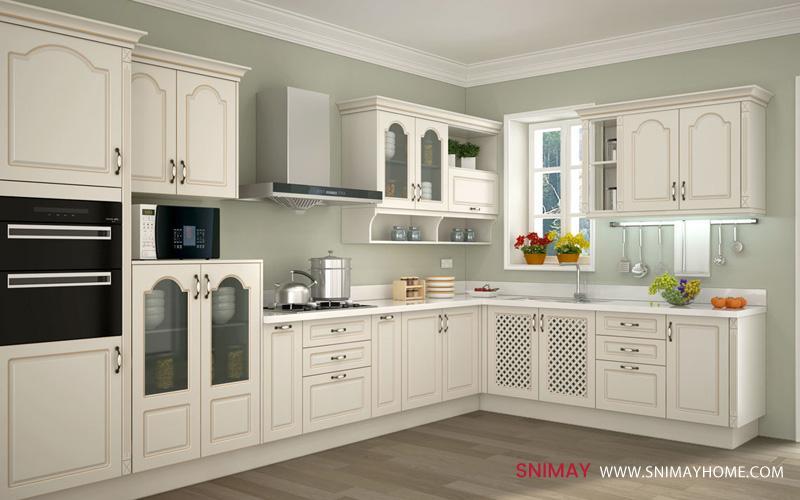
Credit: www.snimayhome.com
/cdn.vox-cdn.com/uploads/chorus_image/image/60077035/OneVanguardWay_DallasTX_Dec17_90.1529082039.jpg)
Credit: archive.curbed.com
5. Add Personal Touches
Adding personal touches to your kitchen design can make it feel like a true reflection of your personality and style. Whether it’s a pop of color, a unique backsplash, or custom hardware, incorporating elements that speak to you will make your kitchen feel like home. Don’t be afraid to get creative and think outside the box when adding personal touches to your kitchen.
Key Points:
- Choose a color scheme that reflects your personal style.
- Add decorative elements such as plants or artwork.
- Consider customizing hardware or fixtures for a unique look.
6. Consult with a Professional
Designing the perfect kitchen can be a daunting task, especially if you are not sure where to start. Consulting with a professional kitchen designer can help you navigate the design process and ensure that your kitchen meets your needs and expectations. A professional designer can provide valuable insights and expertise to help you create the kitchen of your dreams.
Key Points:
- Find a reputable kitchen designer with experience in kitchen design.
- Communicate your needs and preferences clearly to the designer.
- Be open to suggestions and ideas from the designer.
Designing the perfect kitchen is a rewarding process that can enhance the functionality and beauty of your home. By considering factors such as layout, materials, lighting, storage, personal touches, and professional guidance, you can create a kitchen that is both practical and stylish. With careful planning and attention to detail, you can design a kitchen that will be the heart of your home for years to come.
Frequently Asked Questions
How Do I Design My Kitchen Layout?
Design your kitchen layout by considering function, flow, and aesthetics. Plan storage, appliances, and counter space.
What Are The Best Materials For Kitchen Countertops?
Granite, quartz, and marble are popular choices for kitchen countertops. Each has its own advantages and disadvantages.
How Can I Maximize Storage In My Kitchen?
Maximize storage in your kitchen by using vertical space, organizing drawers and cabinets, and using multi-functional furniture.
What Lighting Should I Use In My Kitchen?
Use a combination of ambient, task, and accent lighting in your kitchen. Consider adding dimmer switches for flexibility.


