
How to Design Kitchen Remodel: Transform Your Space!

Designing a kitchen remodel can be an exciting but daunting task. Whether you’re looking to create a more functional space, update the aesthetic, or increase the value of your home, a well-planned kitchen remodel can make a significant impact. In this comprehensive guide, we’ll walk you through the essential steps and considerations for designing your dream kitchen remodel.
Assess Your Needs and Set Goals
Before diving into the design process, take some time to assess your current kitchen and identify your needs and goals for the remodel. Consider factors such as the layout, storage space, functionality, and style. Are you looking to create a more open-concept layout? Do you need more storage space or countertop work areas? Are you aiming for a modern, traditional, or eclectic design? Defining your objectives will help guide the design process and ensure that the end result aligns with your vision.
Establish a Budget
Setting a budget is crucial for any remodeling project. Determine how much you’re willing to invest in your kitchen remodel, and allocate funds for different aspects such as cabinetry, appliances, countertops, flooring, lighting, and labor costs. Keep in mind that unforeseen expenses may arise, so it’s wise to set aside a contingency fund. Establishing a clear budget will help you make informed decisions and prioritize where to allocate your resources.
Research and Gather Inspiration
Explore various design styles, layouts, and materials to gather inspiration for your kitchen remodel. Create a vision board or digital folder to collect images, color palettes, and design elements that resonate with your aesthetic preferences. Consider visiting home improvement stores, browsing online design galleries, and reading home design magazines to stay updated on the latest trends and innovations in kitchen design. By immersing yourself in inspiration, you’ll gain a better understanding of what you want to achieve with your remodel.
Work with a Professional Designer
Collaborating with a professional kitchen designer can streamline the design process and provide invaluable expertise. A skilled designer can help translate your vision into a functional and aesthetically pleasing kitchen design while offering insights on layout optimization, material selection, and cost-effective solutions. Seek recommendations, review portfolios, and schedule consultations with designers to find the right fit for your project. A well-qualified designer will bring creativity and practicality to your remodel, ultimately enhancing the overall outcome.
Evaluate the Kitchen Layout
The layout of your kitchen is a fundamental aspect of its functionality and flow. Consider the existing layout and assess if any structural changes or reconfigurations are necessary to optimize the space. Factors to evaluate include the placement of appliances, the workflow between cooking, prepping, and cleaning areas, and the integration of functional zones such as a breakfast nook or a kitchen island. A well-designed layout will enhance efficiency and convenience in your daily kitchen activities.
Select Quality Cabinetry and Storage Solutions
Cabinetry plays a significant role in both the functionality and visual appeal of a kitchen. When selecting cabinets, prioritize quality construction, durable materials, and ample storage options. Consider factors such as door styles, finishes, hardware, and organizational features to accommodate your specific storage needs. Customizing cabinet configurations and incorporating innovative storage solutions, such as pull-out pantry shelves and drawer dividers, can maximize the use of space and keep your kitchen organized and clutter-free.
Choose Suitable Countertops and Backsplashes
The selection of countertops and backsplashes can dramatically impact the look and feel of your kitchen. Explore various materials such as granite, quartz, marble, or butcher block for your countertops, taking into account factors like durability, maintenance, and visual appeal. Similarly, choose a backsplash material and design that complements your countertops and adds a decorative element to the space. Whether it’s sleek subway tiles, intricate mosaic patterns, or textured stone, the right backsplash can tie the entire design together.
Integrate Efficient Appliances and Fixtures
Upgrading to energy-efficient appliances and fixtures can enhance the functionality and sustainability of your kitchen. When selecting appliances, consider their size, features, and energy ratings to ensure they align with your cooking habits and lifestyle. Additionally, explore innovative fixtures such as touchless faucets, deep basin sinks, and smart lighting systems to streamline your kitchen tasks and reduce water and energy consumption. Integrating modern technology and ergonomic designs will elevate the overall efficiency of your kitchen.
Focus on Lighting and Ventilation
Proper lighting and ventilation are essential components of a well-designed kitchen. Incorporate a layered lighting scheme that includes ambient, task, and accent lighting to create a versatile and inviting atmosphere. Consider installing under-cabinet lighting to illuminate work surfaces, pendant lights above islands or dining areas, and recessed fixtures for overall brightness. Additionally, ensure sufficient ventilation through a quality range hood or ventilation system to remove odors, moisture, and cooking byproducts effectively, contributing to a healthier indoor environment.
Select Flooring Materials Wisely
The choice of flooring materials should balance durability, aesthetics, and practicality. Whether you prefer hardwood, tile, laminate, or vinyl, select a flooring material that can withstand the demands of a high-traffic kitchen while complementing the overall design. Factor in considerations such as ease of maintenance, slip resistance, and compatibility with underfloor heating if desired. By choosing the right flooring, you can create a cohesive and resilient foundation for your kitchen remodel.
Incorporate Personalized Design Elements
Adding personalized touches to your kitchen design can infuse character and charm into the space. Consider incorporating unique design elements such as a custom-built wine rack, a statement light fixture, or a display shelf for showcasing collectibles or artwork. Infusing your personality and interests into the design will make your kitchen feel more inviting and reflective of your lifestyle.
Review and Refine the Design Plan
Once you’ve finalized the design elements, it’s crucial to review and refine the overall plan to ensure cohesiveness and practicality. Consider how each component contributes to the functionality, aesthetics, and flow of the space. Evaluate the color palette, materials, and spatial arrangement to ensure that they align with your initial goals and budget. Seek input from your designer, contractor, or trusted friends and family to gain different perspectives and refine the design for optimal results.
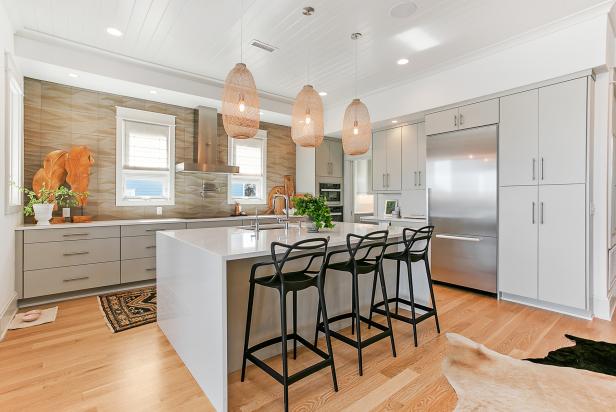
Credit: www.hgtv.com
Work with a Reliable Contractor
Engaging a reputable contractor to execute your kitchen remodel is essential for a successful outcome. Research and interview potential contractors, checking their credentials, references, and portfolio of past projects. Choose a contractor with experience in kitchen remodeling and a proven track record of delivering quality workmanship within agreed timelines and budgets. Effective communication and a collaborative approach between you, the designer, and the contractor will ensure that the construction phase progresses smoothly and meets your expectations.
Prepare for the Construction Phase
Prior to the start of construction, prepare your home for the remodeling process. Clear out the kitchen area, protect adjacent spaces from dust and debris, and make alternative arrangements for meal preparation and dining. Communicate with your contractor to establish a timeline for the construction phase and discuss any potential disruptions or inconveniences that may arise during the remodeling process. Having a clear understanding of the construction schedule will help you anticipate and prepare for any temporary adjustments to your daily routine.

Credit: www.youtube.com
Execute the Remodel with Precision
As the construction phase commences, maintain open communication with your contractor and designer to address any unforeseen challenges or modifications that may arise during the remodeling process. Periodically visit the site to observe the progress and ensure that the work aligns with the agreed-upon design plan. Address any concerns promptly to maintain the integrity of the project and ensure that the remodel is executed with precision and attention to detail.
Review the Final Results
Upon the completion of the remodeling work, take the time to review the final results with your contractor and designer. Inspect the quality of the craftsmanship, verify that all design elements have been implemented as intended, and ensure that the functionality and aesthetics meet your expectations. Address any remaining punch-list items or touch-ups to ensure that the finished kitchen aligns with your vision and delivers the desired impact.
Enjoy Your Newly Remodeled Kitchen
Congratulations! You’ve successfully completed the journey of designing and remodeling your kitchen. Now is the time to savor the fruits of your labor and enjoy the enhanced functionality, beauty, and value that your newly remodeled kitchen brings to your home. Embrace the joy of cooking, entertaining, and creating lasting memories in a space that reflects your style and meets your practical needs.
Frequently Asked Questions
How Much Does A Kitchen Remodel Cost?
The cost of a kitchen remodel varies depending on the size and complexity of the project. On average, a complete kitchen remodel can cost between $20,000 and $50,000.
What Is The First Step In Designing A Kitchen Remodel?
The first step in designing a kitchen remodel is to create a wish list of all the features you want in your new kitchen. This can include appliances, cabinets, countertops, and flooring.
How Long Does A Kitchen Remodel Take?
The timeline for a kitchen remodel varies depending on the size and complexity of the project. On average, a kitchen remodel can take anywhere from 4 to 6 months to complete.
How Can I Save Money On A Kitchen Remodel?
To save money on a kitchen remodel, consider refacing or repainting existing cabinets instead of replacing them. You can also opt for less expensive countertop materials and appliances.
Conclusion
Designing a kitchen remodel involves careful planning, creative vision, and attention to detail. By assessing your needs, setting a budget, gathering inspiration, collaborating with professionals, and executing the design with precision, you can transform your kitchen into a stunning and functional space that enhances your daily living experience. Embrace the process, stay focused on your goals, and enjoy the rewarding journey of creating your dream kitchen remodel.
Remember, a well-designed kitchen is the heart of the home, where culinary creativity and cherished moments converge. With the right approach and a clear vision, your kitchen remodel can elevate your lifestyle and leave a lasting impression for years to come.


