
How Often Should You Mop Your Kitchen Floor: Ultimate Guide

Having a clean and sparkling kitchen floor is not only aesthetically pleasing but also essential for maintaining a healthy and hygienic living space. However, many people are unsure about how frequently they should mop their kitchen floors. In this article, we will discuss the ideal frequency and the factors that can influence the cleaning schedule.
1. Consider the Foot Traffic
The amount of foot traffic your kitchen floor receives is a crucial factor in determining how often you should mop it. If you have a large family or frequently entertain guests, your kitchen floor is likely to accumulate dirt and grime faster. In such cases, it is advisable to mop your kitchen floor at least once a week.
2. Take Note of Spills and Stains
Accidents happen, and spills are a common occurrence in the kitchen. Whenever there is a spill or stain on your kitchen floor, it is important to clean it up immediately. Ignoring spills can lead to stains and even damage to your flooring. So, make it a habit to mop up spills as soon as they happen, regardless of your regular cleaning schedule.
3. Assess the Type of Flooring
Different types of flooring require different cleaning methods and frequencies. Whether you have tile, hardwood, laminate, or vinyl flooring, it is essential to follow the manufacturer’s guidelines for cleaning. Some flooring materials are more susceptible to damage from excessive moisture, while others require more frequent cleaning to maintain their appearance. Understanding the specific needs of your kitchen floor will help you determine the appropriate cleaning schedule.
4. Take Allergies and Health Concerns into Account
If you or anyone in your household has allergies or respiratory issues, it is crucial to maintain a clean and dust-free environment. Dust and allergens can accumulate on your kitchen floor, affecting the air quality in your home. In such cases, it is recommended to mop your kitchen floor more frequently, at least two to three times a week, to minimize the presence of allergens and ensure a healthy living space.
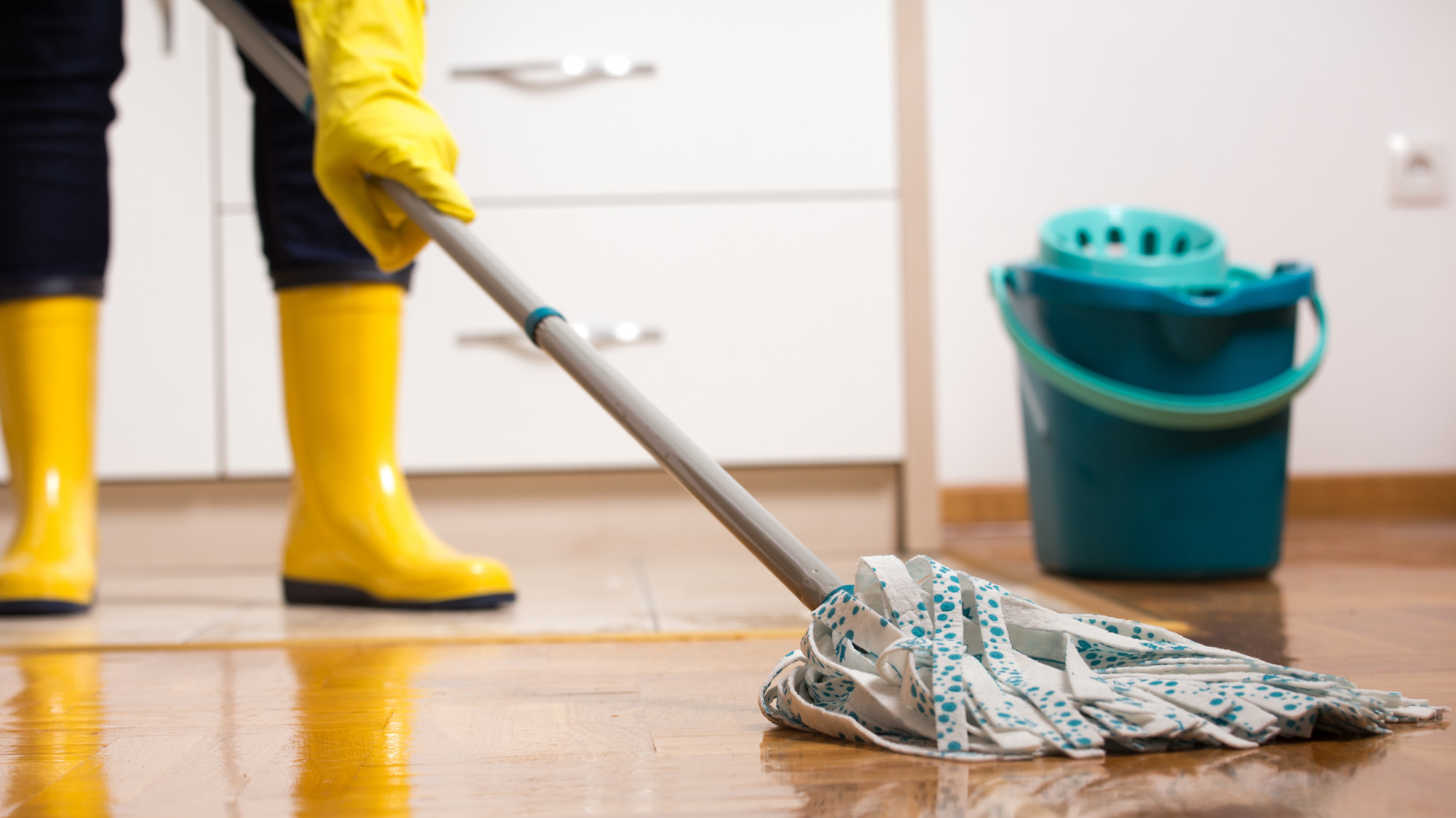
Credit: rescuemytimecleaningservice.com
5. Keep Pets in Mind
If you have pets that roam around the kitchen, their paws can track in dirt, mud, and other debris from the outdoors. This can quickly make your kitchen floor dirty and unsightly. If you have pets, consider mopping your kitchen floor more frequently, especially during rainy or muddy seasons. Regular cleaning will help maintain a clean and inviting kitchen environment for both you and your furry friends.

Credit: www.ocedar.com
6. Be Mindful of Food Preparation Areas
The kitchen is where we prepare our meals, and it’s important to keep food preparation areas clean and sanitized. If you frequently handle raw meat, fish, or poultry in your kitchen, it is essential to mop the floor more often to prevent the spread of bacteria and potential cross-contamination. In such cases, consider mopping your kitchen floor after every cooking session or at least twice a week.
7. Prioritize Regular Sweeping and Spot Cleaning
In addition to regular mopping, it is important to prioritize sweeping and spot cleaning on a daily basis. Sweeping or vacuuming will help remove loose dirt, crumbs, and debris from the floor surface. Spot cleaning, as mentioned earlier, involves immediately cleaning up spills or stains to prevent them from becoming harder to remove. By incorporating these habits into your routine, you can maintain a cleaner kitchen floor and extend the time between deep mopping sessions.
Frequently Asked Questions
How Often Should I Mop My Kitchen Floor?
It’s recommended to mop your kitchen floor at least once a week to maintain cleanliness and hygiene.
What Is The Best Time To Mop The Kitchen Floor?
Mopping in the morning or evening is best, when there’s less foot traffic and the floor can dry thoroughly.
Can I Use Any Cleaning Solution For Mopping?
Using a mild, pH-neutral cleaner is best to preserve the finish of your kitchen floor.
How Can I Prevent Streaks On The Floor After Mopping?
Ensure that you thoroughly wring out the mop and use minimal cleaning solution to prevent streaks on the floor.
Conclusion
In conclusion, the frequency of mopping your kitchen floor depends on several factors, including foot traffic, spills, type of flooring, allergies, pets, and food preparation areas. While a general guideline is to mop at least once a week, it is essential to assess these factors and adjust your cleaning schedule accordingly. Regular sweeping and spot cleaning are equally important in maintaining a clean and hygienic kitchen floor. By keeping these tips in mind, you can ensure that your kitchen floor remains sparkling clean and free from dirt and germs.


