
How are Kitchen Wall Cabinets Attached: Expert Guide

When it comes to kitchen design and functionality, wall cabinets play a crucial role. They not only provide ample storage space but also contribute to the overall aesthetic appeal of the kitchen. However, have you ever wondered how these essential kitchen fixtures are attached to the wall? In this comprehensive guide, we’ll delve into the various methods and considerations involved in attaching kitchen wall cabinets.
Types of Wall Cabinet Attachment
There are several methods used to attach kitchen wall cabinets, each with its own advantages and considerations. Let’s explore some of the most common attachment methods:
1. Wall Studs
One of the primary methods for attaching kitchen wall cabinets is by securing them to the wall studs. Wall studs are the vertical framing members within the wall structure, providing substantial support for heavy items such as cabinets. By anchoring the cabinets to the wall studs, you ensure that they are securely fastened and able to bear the weight of the contents within.
2. French Cleat
A French cleat is a popular method for hanging heavy items, including kitchen wall cabinets. This method involves using a cleat, which is a piece of wood or metal with a 30- to 45-degree bevel, attached to both the wall and the cabinet. The interlocking design of the cleat provides strong support and stability for the cabinets.
3. Z-clips
Z-clips are another effective attachment method for kitchen wall cabinets. These clips are installed on the back of the cabinet and then secured to a corresponding set of clips mounted on the wall. Z-clips are known for their ease of installation and ability to provide a secure, flush attachment.
Considerations for Wall Cabinet Attachment
When attaching kitchen wall cabinets, several important considerations should be taken into account to ensure a secure and long-lasting installation. These considerations include:
1. Weight Capacity
It’s crucial to assess the weight capacity of the wall cabinets and the wall itself. This includes considering the weight of the cabinets when fully loaded with kitchenware and other items. By understanding the weight capacity, you can select the appropriate attachment method and ensure that the wall can support the cabinets without compromising safety.
2. Wall Material
The type of wall material will impact the attachment method used for the cabinets. For example, attaching cabinets to drywall may require additional support or special anchors compared to attaching them to solid wood or concrete walls. Understanding the composition of the wall is essential for determining the most suitable attachment approach.
3. Level And Plumb
Ensuring that the wall cabinets are installed level and plumb is essential for both aesthetic and functional reasons. Using a level during the installation process is critical to prevent misalignment and ensure that the cabinets are visually appealing and function properly.
4. Accessibility
Consider the accessibility of the cabinets once they are installed. It’s important to position the cabinets at a height that is convenient for everyday use while also maximizing storage space. Factors such as the user’s height and reach should be taken into consideration when determining the ideal placement of the wall cabinets.

Credit: www.homedepot.com
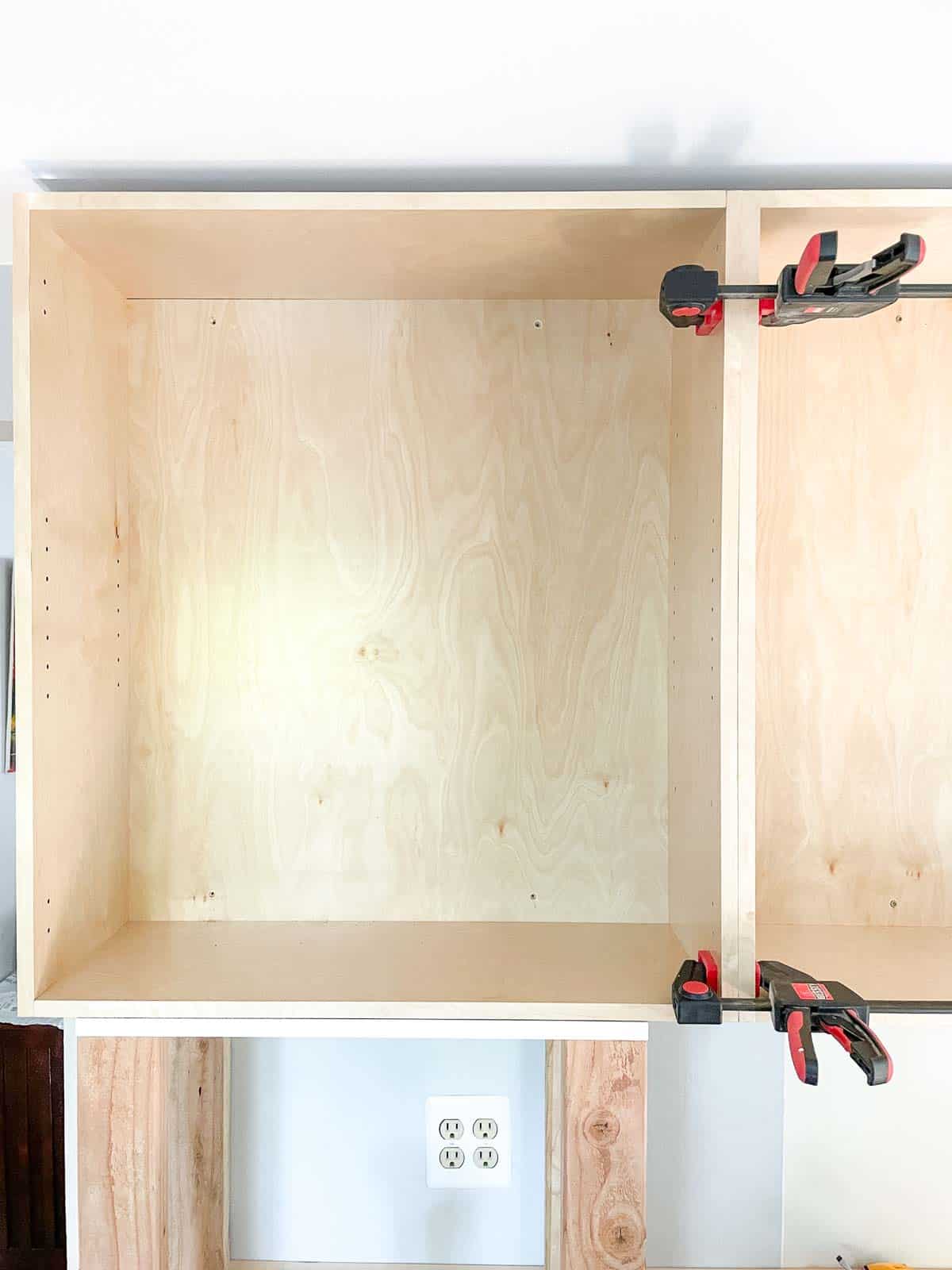
Credit: www.thehandymansdaughter.com
Installation Process
Now that we’ve explored the various attachment methods and considerations, let’s delve into the general process of installing kitchen wall cabinets:
1. Planning And Preparation
Before beginning the installation, carefully measure and plan the placement of the wall cabinets. Take into account the dimensions of the cabinets, the available wall space, and any obstructions such as windows or doors. Additionally, gather the necessary tools and materials, including the chosen attachment hardware.
2. Locating Wall Studs
If you’re attaching the cabinets to wall studs, use a stud finder to locate the positions of the studs within the wall. Mark these locations to serve as reference points for the cabinet attachment points.
3. Attachment Method
Select the appropriate attachment method based on the weight of the cabinets, the wall material, and other relevant considerations. Whether you choose to use wall studs, French cleats, Z-clips, or another method, ensure that it aligns with the specific requirements of your kitchen and cabinets.
4. Installation
With the attachment method determined, proceed to install the cabinets according to the manufacturer’s guidelines. Use the designated attachment hardware and follow a systematic approach to ensure that the cabinets are securely fastened and aligned properly.
5. Final Adjustments
After the cabinets are installed, make any necessary adjustments to ensure that they are level, plumb, and aligned with one another. This may involve minor tweaks to the attachment hardware or the positioning of the cabinets.
Common Challenges and Solutions
During the installation of kitchen wall cabinets, you may encounter various challenges. Here are some common issues and potential solutions:
1. Uneven Walls
If the walls are uneven or irregular, it can pose challenges when aligning and attaching the cabinets. In such cases, shimming the cabinets or using adjustable attachment hardware can help compensate for the unevenness and ensure a level installation.
2. Limited Wall Studs
In some instances, the placement of the cabinets may not align with the availability of wall studs. To address this, consider using additional support such as anchors or braces to reinforce the attachment points and distribute the weight more evenly.
3. Accessibility Constraints
If the kitchen layout or design presents accessibility constraints for cabinet installation, such as obstacles or limited space, careful planning and creative solutions may be required to overcome these challenges. Customizing the attachment method or cabinet design can help address specific accessibility constraints.
Frequently Asked Questions
How Are Kitchen Wall Cabinets Attached?
Wall cabinets are attached to the wall studs using screws. A mounting rail is first installed, and then the cabinets are attached to the rail.
What Tools Are Required To Attach Kitchen Wall Cabinets?
You will need a drill, screws, a stud finder, a level, and a measuring tape to attach kitchen wall cabinets.
Can I Attach Kitchen Wall Cabinets Without A Mounting Rail?
It is possible to attach kitchen wall cabinets without a mounting rail, but it is not recommended. The rail provides extra support and makes installation easier.
How High Should Kitchen Wall Cabinets Be Hung?
Kitchen wall cabinets should be hung 18 inches above the countertop and 54-60 inches from the floor. This ensures optimal storage and functionality.
Conclusion
Attaching kitchen wall cabinets is a critical step in the kitchen design and remodeling process. By understanding the various attachment methods, considering important factors, and following a systematic installation process, you can ensure that your wall cabinets are securely fastened and contribute to a functional and visually appealing kitchen space.
Whether you opt for wall studs, French cleats, Z-clips, or other attachment methods, the key is to prioritize safety, stability, and aesthetic harmony. With careful planning and attention to detail, your kitchen wall cabinets will serve as a durable and stylish storage solution for years to come.


