
Does Kitchen Floor Need Waterproofing? Essential Insights!

When it comes to designing and renovating your kitchen, there are many factors to consider. One important aspect that often gets overlooked is waterproofing the kitchen floor. Many homeowners don’t realize the importance of waterproofing their kitchen floor until it’s too late and water damage has already occurred. In this blog post, we will explore the reasons why waterproofing your kitchen floor is essential and the different options available to you.
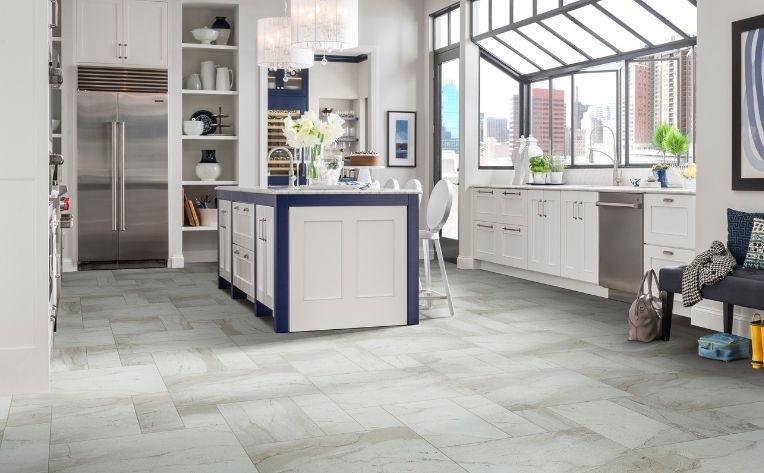
Credit: www.flooringamerica.com
Credit: vocal.media
Why Does Your Kitchen Floor Need Waterproofing?
The kitchen is a high-traffic area in your home, and it is prone to spills and water splashes on a daily basis. Without proper waterproofing, water can seep into the floor and cause a range of problems, including:
- Water Damage: Water can damage the subfloor, causing it to rot or warp. This can lead to structural issues and costly repairs.
- Mold and Mildew: Excess moisture in the kitchen can create the perfect environment for mold and mildew growth. These can be harmful to your health and difficult to remove.
- Stains and Discoloration: Water and spills can leave stains and discoloration on your kitchen floor, ruining its appearance.
- Slippery Surfaces: Wet floors can be slippery, posing a safety hazard to you and your family.
Considering these potential problems, it is clear that waterproofing your kitchen floor is not just a luxury but a necessity. By taking preventive measures, you can avoid costly repairs and ensure the longevity of your kitchen floor.
Options for Waterproofing Your Kitchen Floor
Now that you understand the importance of waterproofing your kitchen floor, let’s explore the different options available to you:
1. Tile Flooring
Tile flooring is a popular choice for kitchens due to its durability and water-resistant properties. Ceramic and porcelain tiles are non-porous, which means they do not absorb water. However, it is crucial to ensure that the tiles are properly installed with a waterproof membrane or underlayment to prevent water from seeping through the grout lines.
2. Vinyl Flooring
Vinyl flooring is another excellent option for waterproofing your kitchen floor. It is affordable, easy to install, and highly resistant to water. Vinyl planks or tiles come in various designs, mimicking the look of natural materials like wood or stone. With proper installation, vinyl flooring can create a watertight seal, protecting your subfloor from water damage.
3. Concrete Sealing
If you have a concrete kitchen floor, applying a waterproof sealer can help protect it from water damage. Concrete sealers create a barrier on the surface, preventing water from penetrating the pores of the concrete. This option is particularly useful for homes with existing concrete floors that are in good condition.
4. Epoxy Coating
Epoxy coatings are a popular choice for commercial kitchens, but they can also be used in residential settings. Epoxy is a durable and waterproof material that can be applied directly over existing concrete or tile floors. It creates a seamless, non-porous surface that is resistant to water, stains, and chemicals.
5. Waterproof Membrane
If you have a wooden kitchen floor, applying a waterproof membrane is essential. A waterproof membrane is a thin layer that is installed beneath the flooring material to prevent water from reaching the wood. It acts as a barrier, protecting the subfloor from moisture and potential damage.
Frequently Asked Questions
Is Waterproofing Necessary For Kitchen Floors?
Waterproofing kitchen floors is essential to prevent water damage and mold growth.
What Are The Benefits Of Waterproofing Kitchen Floors?
Waterproofing protects against water damage, increases durability, and makes cleaning easier.
How Does Waterproofing Work For Kitchen Floors?
Waterproofing creates a barrier that repels water and prevents it from seeping into the floor.
What Are The Best Materials For Waterproofing Kitchen Floors?
Popular options include epoxy coatings, vinyl, and ceramic tiles for effective waterproofing.
Conclusion
Waterproofing your kitchen floor is a crucial step in maintaining the integrity and longevity of your kitchen. Whether you choose tile, vinyl, concrete sealing, epoxy coating, or a waterproof membrane, taking preventive measures will save you from potential water damage, mold growth, and costly repairs. Consider the specific needs of your kitchen and select the option that best suits your style, budget, and lifestyle. By investing in proper waterproofing, you can ensure a beautiful and functional kitchen for years to come.


