
Best Way to Cover Kitchen Floor Tiles: Smart Solutions!

If you’re tired of looking at your old and worn-out kitchen floor tiles, it might be time to consider giving them a makeover. There are several options available for covering kitchen floor tiles, ranging from simple and cost-effective solutions to more extensive renovations. In this article, we will explore some of the best ways to cover kitchen floor tiles that will give your kitchen a fresh and updated look.
Credit: www.youtube.com
1. Vinyl Flooring
Vinyl flooring is a popular choice for covering kitchen floor tiles due to its durability, affordability, and ease of installation. It comes in a wide variety of styles, colors, and patterns, allowing you to find the perfect match for your kitchen’s aesthetics. Vinyl flooring is also water-resistant, making it an excellent choice for kitchens where spills and moisture are common. Additionally, it provides a comfortable and cushioned surface to walk on, reducing fatigue while standing for long periods.
2. Laminate Flooring
Laminate flooring is another excellent option for covering kitchen floor tiles. It offers the look of hardwood or stone flooring at a fraction of the cost. Laminate flooring is highly durable and resistant to scratches, stains, and fading, making it ideal for high-traffic areas like kitchens. It is also easy to clean and maintain, requiring only regular sweeping and occasional mopping. With its click-lock installation system, laminate flooring can be installed over existing tiles without the need for adhesives or nails.
3. Engineered Wood Flooring
If you prefer the warmth and natural beauty of wood, but want a more budget-friendly option than solid hardwood flooring, engineered wood flooring is an excellent choice. It is made by layering real wood veneer over a plywood or high-density fiberboard (HDF) core, providing stability and resistance to moisture. Engineered wood flooring can be installed as a floating floor, which means it doesn’t need to be glued or nailed down to the existing tiles. It offers the timeless appeal of hardwood while being more resistant to warping and shrinking.
4. Tile Over Tile
If your existing kitchen floor tiles are in good condition and you don’t want to go through the hassle of removing them, you can opt to tile over tile. This method involves applying a layer of thin-set mortar over the existing tiles and then installing new tiles on top. It is essential to ensure that the existing tiles are clean, level, and free of any loose or damaged pieces before proceeding with this method. Tiling over tile can be a cost-effective and time-saving solution, but keep in mind that it will add height to your floor, which may require adjustments to door clearances.
5. Epoxy Flooring
If you’re looking for a unique and modern way to cover your kitchen floor tiles, epoxy flooring is worth considering. Epoxy is a resin-based material that can be applied directly over the existing tiles, creating a seamless and glossy surface. It is highly durable, resistant to stains, chemicals, and moisture, making it an excellent choice for kitchens. Epoxy flooring is available in a wide range of colors and finishes, allowing you to customize the look to match your kitchen’s style. However, it is essential to hire a professional to install epoxy flooring, as the process requires specialized knowledge and equipment.
Credit: www.reddit.com
6. Cork Flooring
Cork flooring is an eco-friendly option that is gaining popularity in kitchens. It is made from the bark of cork oak trees, which can be harvested without harming the tree. Cork flooring offers a soft and comfortable surface to walk on, reducing strain on joints and feet. It is naturally resistant to mold, mildew, and pests, making it an excellent choice for kitchens where hygiene is crucial. Cork flooring is available in various colors and patterns, allowing you to create a unique and visually appealing kitchen floor.
7. Carpet Tiles
If you prefer a softer and more comfortable feel underfoot, carpet tiles can be a great option for covering kitchen floor tiles. Carpet tiles are easy to install and replace, making them a practical choice for kitchens where spills and stains are common. They come in a wide range of colors, patterns, and textures, allowing you to create a customized look for your kitchen. It is important to choose carpet tiles that are specifically designed for high-traffic areas and are resistant to stains and moisture.
Frequently Asked Questions
What Are The Best Materials For Covering Kitchen Floor Tiles?
The best materials for covering kitchen floor tiles are vinyl, laminate, ceramic, and porcelain tiles. Each has its own advantages such as durability, ease of maintenance, and aesthetic appeal.
How Can I Cover My Kitchen Floor Tiles Without Replacing Them?
You can cover your kitchen floor tiles without replacing them by using options such as vinyl peel-and-stick flooring, laminate flooring, or placing area rugs strategically to conceal the tiles.
Is It Possible To Paint Over Kitchen Floor Tiles?
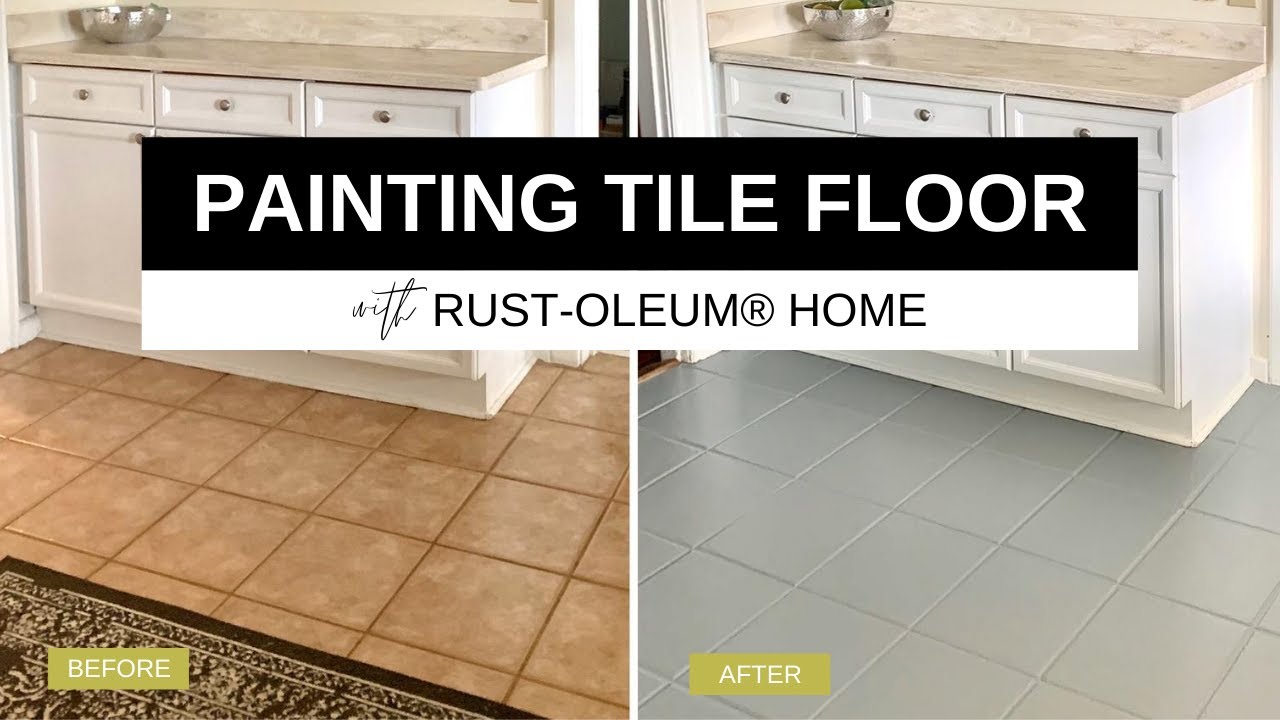
Yes, it is possible to paint over kitchen floor tiles. Make sure to clean, sand, prime, and apply multiple coats of high-quality floor paint for a durable and attractive finish.
What Are The Benefits Of Using Area Rugs To Cover Kitchen Floor Tiles?
Area rugs can add warmth, comfort, and style to the kitchen while effectively covering the floor tiles. They are easy to clean and can be replaced for a fresh look.
Conclusion
There are numerous options available for covering kitchen floor tiles, each with its own set of advantages and considerations. Whether you choose vinyl flooring, laminate flooring, engineered wood flooring, tiling over tile, epoxy flooring, cork flooring, or carpet tiles, it’s important to consider factors such as durability, ease of installation, maintenance, and your personal style preferences. By selecting the best option for your kitchen, you can transform your old and worn-out tiles into a fresh and updated space that you’ll love spending time in.


