
Which is Better: Gas Range or Electric? Unveil the Best Choice!

When it comes to cooking, the debate between gas ranges and electric ranges has been ongoing for decades. Both options have their own set of advantages and disadvantages, making it difficult to determine which one is truly better. In this article, we will explore the pros and cons of both gas ranges and electric ranges to help you make an informed decision for your kitchen.
Gas Ranges
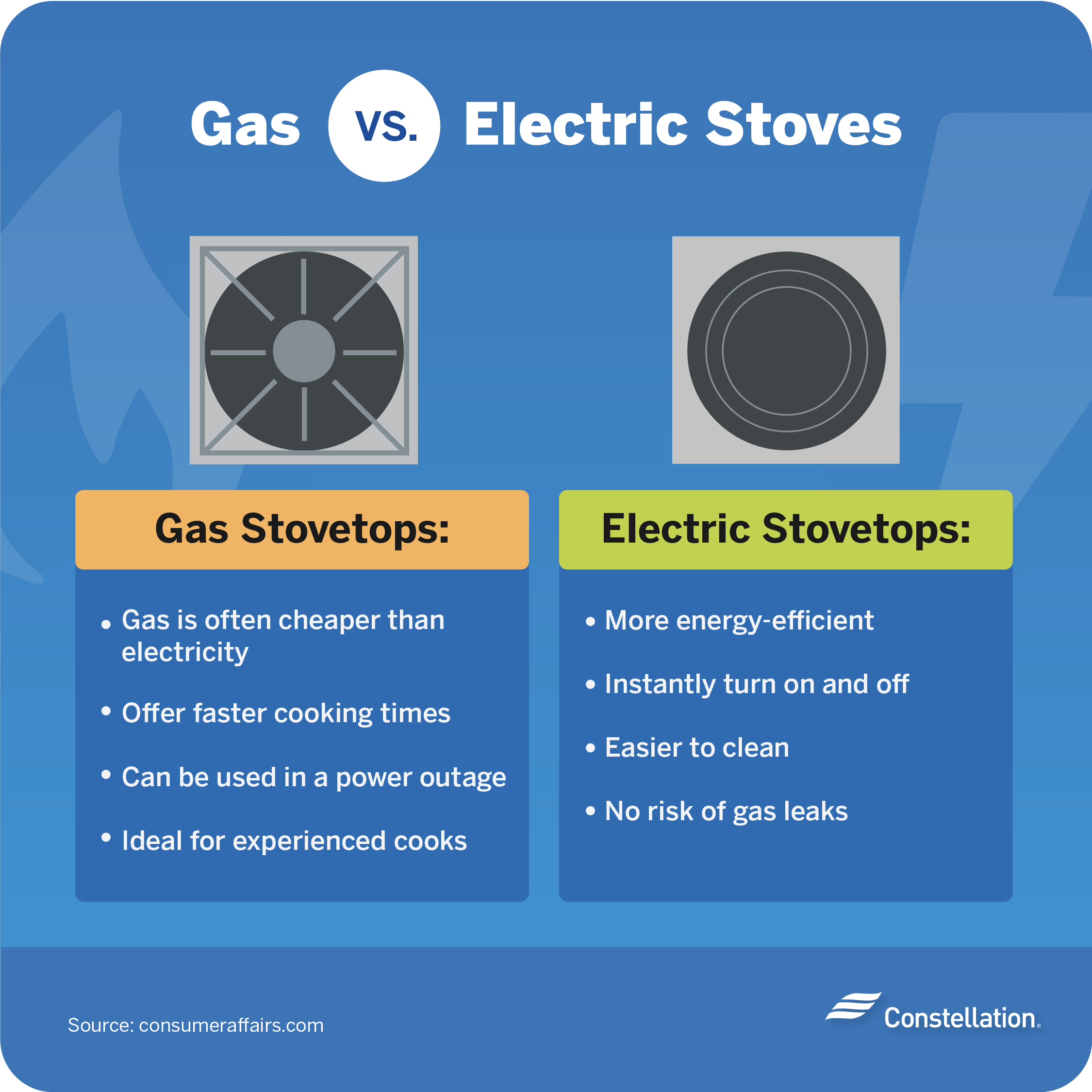
Gas ranges have been a popular choice among professional chefs and cooking enthusiasts for their precise temperature control and instant heat. Here are some of the advantages of using a gas range:
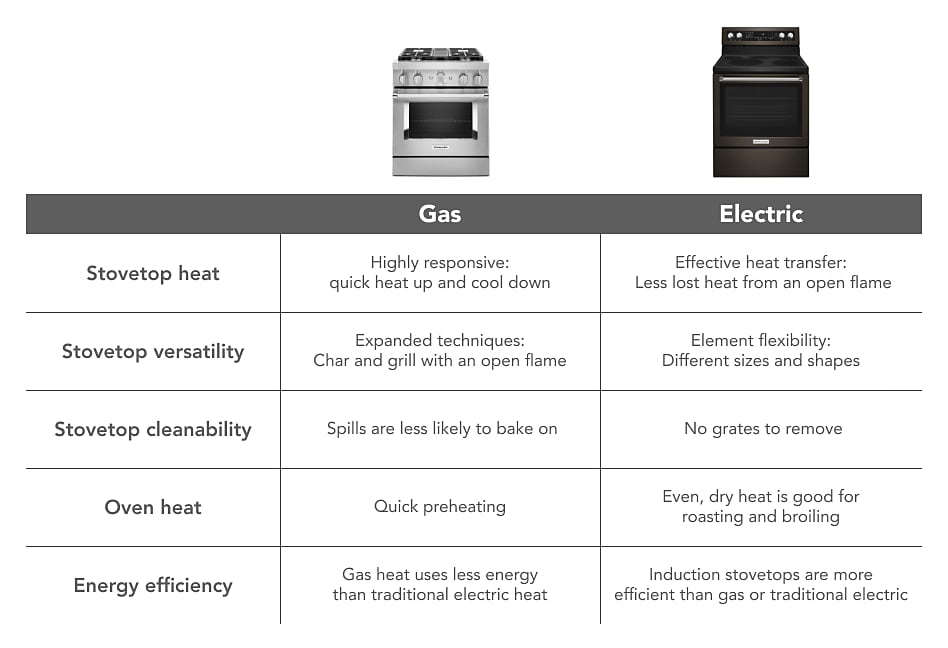
- Heat Control: Gas ranges provide instant heat and allow for precise temperature control. You can easily adjust the flame to achieve the desired cooking temperature, which is especially important for delicate dishes that require precise heat adjustments.
- Cooking Performance: Gas ranges are known for their superior cooking performance. The open flame allows for even heat distribution, resulting in more consistent cooking results.
- Visual Indicator: Gas ranges have a visible flame, which serves as a visual indicator of the heat level. This makes it easier to monitor the cooking process and make adjustments as needed.
- Lower Energy Costs: In general, gas is cheaper than electricity, which means that using a gas range can lead to lower energy costs in the long run.
Despite these advantages, gas ranges also have some drawbacks that you should consider:
- Initial Cost: Gas ranges tend to be more expensive upfront compared to electric ranges. You will need to invest in a gas line installation if you don’t already have one, which can be an additional cost.
- Maintenance: Gas ranges require regular maintenance to ensure safety and optimal performance. This includes checking for gas leaks, cleaning the burners, and keeping the gas lines clear.
- Cleaning: Gas ranges can be more challenging to clean compared to electric ranges. Food spills and grease can accumulate around the burners, requiring more effort to clean thoroughly.
Electric Ranges
Electric ranges have gained popularity in recent years due to their sleek design and ease of use. Here are some advantages of using an electric range:
- Easy Installation: Electric ranges are easy to install, as they only require access to an electrical outlet. You don’t need to worry about gas lines or ventilation requirements.
- Smooth Cooktop: Electric ranges typically have a smooth, glass-ceramic cooktop, which makes cleaning a breeze. Spills and stains can be easily wiped away, providing a clean and tidy appearance.
- Even Heat Distribution: Electric ranges distribute heat evenly across the cooking surface, ensuring consistent cooking results.
- Additional Features: Many electric ranges come with additional features such as timers, digital displays, and pre-programmed cooking settings, making it easier to cook a variety of dishes.
However, there are also some disadvantages to consider when it comes to electric ranges:
- Slower Heating: Electric ranges take longer to heat up compared to gas ranges. This can be a disadvantage if you’re looking for quick heat adjustments or need to bring a pot of water to a boil rapidly.
- Less Control: Electric ranges may not offer the same level of heat control as gas ranges. The heat response time is slower, making it more challenging to achieve precise temperature adjustments.
- Higher Energy Costs: Electricity rates can be higher than gas rates in some areas, resulting in higher energy costs over time.
Credit: blog.constellation.com
Credit: www.kitchenaid.com
Frequently Asked Questions
Is A Gas Range Better For Cooking?
Yes, a gas range provides instant heat control and even cooking temperatures, making it a popular choice for many chefs and home cooks.
What Are The Advantages Of A Gas Range?
A gas range offers precise temperature control, faster cooking times, and lower operating costs compared to electric ranges.
Is An Electric Range More Energy-efficient?
Yes, electric ranges are generally more energy-efficient than gas ranges, making them a preferred choice for environmentally conscious consumers.
Are Electric Ranges Easier To Clean?
Electric ranges are easier to clean than gas ranges due to their smooth, flat cooktops, making them a convenient option for busy households.
Conclusion
Ultimately, the decision between a gas range and an electric range depends on your personal preferences and cooking needs. If you prioritize precise temperature control, superior cooking performance, and lower long-term energy costs, a gas range may be the better option for you. On the other hand, if you value easy installation, a sleek design, and hassle-free cleaning, an electric range may be more suitable.
Consider your cooking habits, budget, and kitchen setup when making your decision. It’s also worth noting that some households opt for a combination of both gas and electric appliances, such as a gas cooktop and an electric oven, to enjoy the benefits of both cooking methods.
Ultimately, the “better” choice is subjective and depends on your individual needs and preferences. Whether you choose a gas range or an electric range, both options can provide you with a satisfying cooking experience.


