
How Do You Know When Your Gas Stove is Going Bad: 5 Warning Signs

Gas stoves are a common appliance found in many households. They are reliable and efficient, providing a great cooking experience. However, like any other appliance, gas stoves can deteriorate over time and may eventually need to be replaced. In this blog post, we will discuss some signs that indicate your gas stove is going bad, and when it’s time to consider a replacement.
1. Difficulty Igniting
If you find yourself struggling to light your gas stove, it could be a sign that something is wrong. Gas stoves typically ignite instantly when the burner is turned on, so if you notice a delay or if it takes multiple attempts to light the burner, it may be an indication of a faulty ignition system. This could be due to a worn-out igniter or a clogged gas line, both of which may require professional attention.
2. Uneven Flames
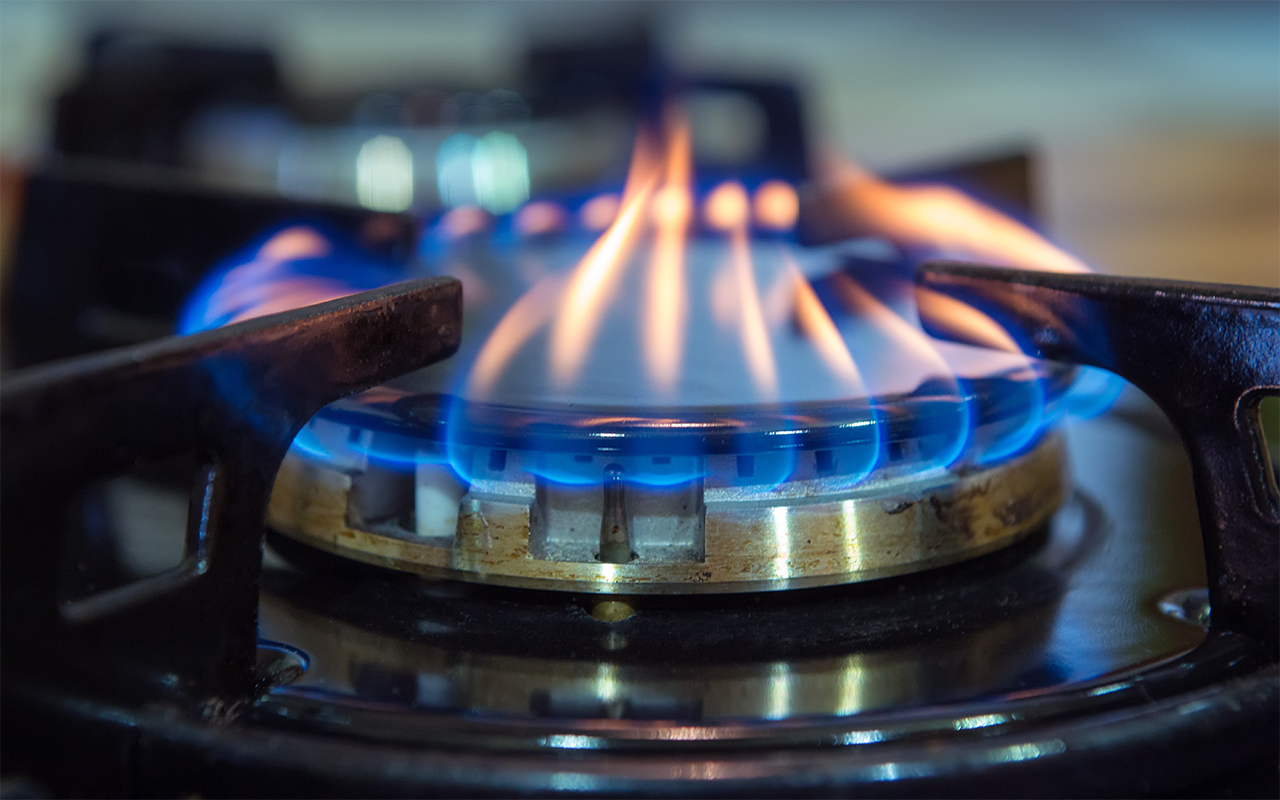
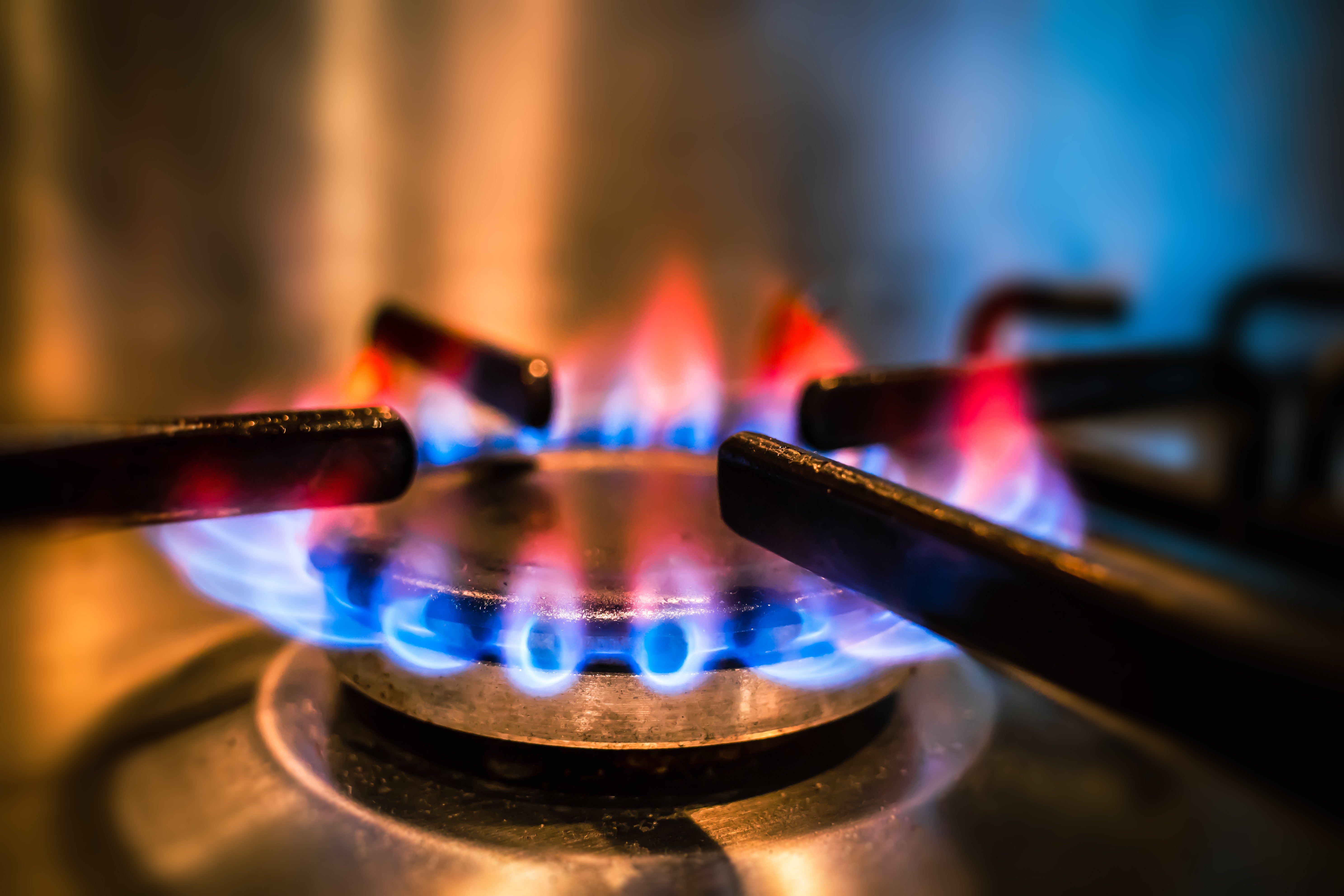
When your gas stove is functioning properly, the flames should be even and blue in color. If you notice uneven flames, such as some burners producing larger or smaller flames than others, it could be a sign of a gas flow issue. This could be caused by a clogged burner or a faulty gas valve. In either case, it’s important to have a professional inspect and repair the stove to ensure your safety and the stove’s proper functioning.
3. Yellow Flames
As mentioned earlier, the flames on a gas stove should be blue. If you notice that the flames are yellow or have a yellow-orange tint, it could indicate a problem with the stove’s combustion. Yellow flames are a sign that the fuel is not burning efficiently, which could be caused by a dirty burner or a lack of oxygen supply. This issue should be addressed promptly to prevent the release of harmful gases, such as carbon monoxide.
4. Gas Odor
If you smell gas when your gas stove is in use or even when it’s turned off, it’s a clear sign that something is wrong. A gas leak can be extremely dangerous and should never be ignored. If you suspect a gas leak, turn off the gas supply to the stove immediately, open windows for ventilation, and contact a professional to inspect and repair the stove. Remember, gas leaks can lead to fires and explosions, so it’s crucial to prioritize safety.
Credit: www.bu.edu
Credit: www.scientificamerican.com
5. Age of the Stove
Gas stoves, like any other appliance, have a lifespan. If your stove is approaching or has surpassed its expected lifespan, it may be time to consider a replacement. The average lifespan of a gas stove is around 15-20 years, depending on usage and maintenance. Older stoves are more prone to breakdowns, inefficiency, and safety hazards. Upgrading to a newer model will not only improve the cooking experience but also provide enhanced safety features.
6. Constant Repairs
If you find yourself constantly calling a technician to repair your gas stove, it may be a sign that it’s time to replace it. Frequent breakdowns and repairs can be time-consuming, expensive, and frustrating. Investing in a new stove may be a more cost-effective solution in the long run, as it will provide reliable performance and require fewer repairs.
7. Outdated Safety Features
Gas stoves manufactured in recent years come with advanced safety features to protect against gas leaks and other hazards. If your stove lacks these safety features or if they are outdated, it’s worth considering an upgrade. Newer models often include features like automatic shut-off valves and flame failure devices, which can provide an added layer of protection and peace of mind.
Frequently Asked Questions
How Can I Tell If My Gas Stove Is Malfunctioning?
Check for uneven flames, strange odors, or delayed ignition, which may indicate a problem.
What Are The Signs Of A Gas Leak From A Stove?
Look out for a sulfur or rotten egg smell, hissing sounds, or feeling lightheaded or dizzy.
Why Is My Gas Stove Not Igniting Properly?
Possible reasons include clogged igniters, dirty burners, or issues with the gas supply.
Can A Faulty Gas Stove Be A Safety Hazard?
Yes, it can lead to gas leaks, carbon monoxide poisoning, or even fire hazards.
Conclusion
Knowing when your gas stove is going bad is essential for both your safety and cooking experience. Keep an eye out for signs such as difficulty igniting, uneven or yellow flames, gas odor, and constant repairs. Additionally, consider the age of your stove and the availability of updated safety features. If you notice any of these signs or if your stove is nearing the end of its lifespan, it may be time to start looking for a replacement. Remember to always prioritize safety and consult a professional for inspections and repairs.


