
Reducing Food Waste | Smart Eco-Friendly Hacks for Savvy Home Cooks

Reduce food waste at home with simple tips and strategies to minimize leftovers and save money. By being mindful of portion sizes, planning meals ahead, and properly storing food, you can cut down on waste while enjoying fresh and delicious meals.
Food waste is a significant issue globally, contributing to environmental problems and economic losses. As a home cook, you play a crucial role in addressing this issue by adopting sustainable practices in your kitchen. This blog will explore practical ways to reduce food waste, empowering you to make a positive impact on the environment and your budget.
Let’s dive in and discover how small changes in your cooking habits can lead to big benefits for both your household and the planet.
The Gravity Of Food Waste
Food waste is a pressing issue that has far-reaching consequences. By understanding the gravity of food waste, we can take steps to mitigate its impacts. From environmental concerns to economic repercussions, the effects of food waste are significant and demand our attention.
Impacts On The Environment
The environmental impact of food waste is substantial. Wasted food that ends up in landfills contributes to the production of methane, a potent greenhouse gas. This exacerbates climate change and its associated effects.
Economic Ramifications
The economic ramifications of food waste are not to be overlooked. When food is wasted, it represents a loss of resources, including the water, energy, and labor that went into its production. This inefficiency has direct financial implications for both households and businesses.

Credit: www.healthline.com
Assessing Your Kitchen Habits
Assessing your kitchen habits is the first step towards reducing food waste. By understanding your food consumption and waste patterns, you can develop effective strategies to minimize wastage and save money.
Tracking Food Consumption
Start by keeping a record of the food items you buy and consume. Use a simple notebook or a digital app to jot down the groceries you purchase and the meals you prepare. This will help you gain insights into your eating habits and identify any excessive purchases or unused ingredients.
Identifying Waste Patterns
Observe and analyze the types of food that frequently go to waste in your kitchen. Note down the reasons for wastage, such as expiry dates, leftovers, or overbuying. This will help you pinpoint the specific areas where improvements can be made to minimize food waste.
Smart Shopping Strategies
Discover smart shopping strategies to reduce food waste at home. Learn practical tips and effective strategies for home cooks. Make the most of your ingredients and minimize food wastage with these helpful insights.
When it comes to reducing food waste, smart shopping strategies are essential. Effective grocery lists, understanding expiration dates, and proper storage are key to reducing food waste. By following these strategies, you can save money and contribute to a more sustainable environment.Making Effective Grocery Lists
Making an effective grocery list is the first step in reducing food waste. Before heading to the store, take inventory of what you have in your fridge, freezer, and pantry. This will help you avoid buying duplicates and ensure that you use up what you already have. Additionally, plan your meals for the week and only buy what you need. This will prevent overbuying and reduce the likelihood of food going bad before you can use it.Understanding Expiration Dates
Understanding expiration dates is crucial when it comes to reducing food waste. Many people mistakenly believe that expiration dates indicate the safety of the food, but they actually indicate the freshness. Use-by dates indicate when the food is at its peak freshness, while sell-by dates are used by retailers to indicate when the food should be sold by. However, many foods are still safe to eat after the expiration date, as long as they have been properly stored. Use your senses to determine if the food is still good to eat. If it smells bad, looks moldy, or has a strange texture, it’s time to toss it.Proper Storage
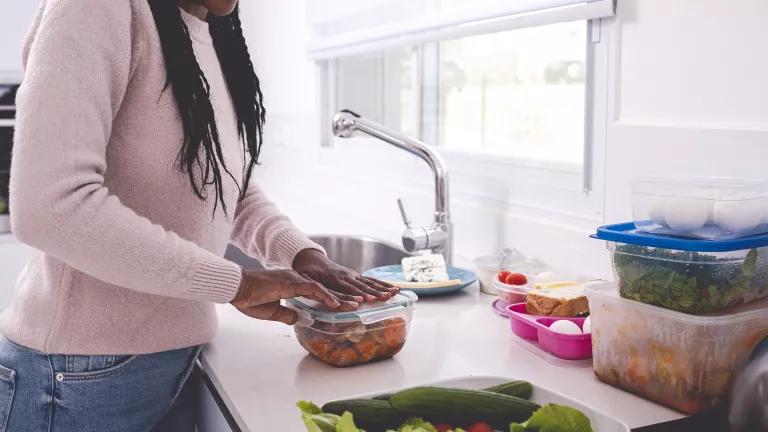
Proper storage is also important when it comes to reducing food waste. Store perishable items, such as meat, dairy, and produce, in the fridge or freezer to extend their shelf life. Use airtight containers to prevent spoilage and freezer burn. Additionally, consider freezing leftovers or extra portions to use at a later date. This will prevent food from going bad before you can use it and save you time and money in the long run.In conclusion, smart shopping strategies are essential for reducing food waste. By making effective grocery lists, understanding expiration dates, and using proper storage techniques, you can save money and contribute to a more sustainable environment. Start implementing these strategies today and do your part to reduce food waste.Storage Solutions That Prolong Freshness
Proper storage solutions can help home cooks prolong the freshness of their food and prevent unnecessary waste. From utilizing airtight containers to keeping produce in the fridge, simple strategies can go a long way in reducing food waste.
Best Practices For Fruits And Vegetables
Keep fruits and vegetables in the fridge.
Store fruits in a cool, dry place.
Use airtight containers for sliced fruits.
Avoid washing fruits before storing.
Innovative Food Preservation Techniques
Use vacuum sealers to extend shelf life.
Try pickling or fermenting produce.
Utilize freeze-drying for long-term storage.
Consider canning for preserving fruits and veggies.
Creative Leftover Transformations
Transform your leftovers into creative new dishes to reduce food waste. Discover tips and strategies for home cooks to make the most of ingredients and minimize environmental impact. Embrace innovative ways to repurpose excess food and elevate your cooking skills.
Reinventing Meals
Leftovers don’t have to be boring! With a little creativity, you can transform your leftovers into delicious, new meals that will have your taste buds dancing. Reinventing meals is not only a great way to reduce food waste but also an opportunity to explore new flavors and experiment in the kitchen.
Recipes For Common Leftovers
Leftovers are a common occurrence in most households, but instead of letting them go to waste, why not turn them into something amazing? Here are some recipe ideas to help you make the most of your leftovers:
1. Roast Chicken
Turn leftover roast chicken into a hearty chicken pot pie by combining it with vegetables, a creamy sauce, and a flaky pie crust. This comforting dish is perfect for a cozy family dinner.
2. Rice
Leftover rice can be transformed into a flavorful fried rice dish. Simply stir-fry the rice with your choice of vegetables, protein, and seasonings for a quick and satisfying meal. Add soy sauce, scrambled eggs, and a sprinkle of green onions for extra flavor.
3. Vegetables
Leftover vegetables can be used in a variety of ways. Blend them into a nutritious soup or stew, add them to omelets or frittatas, or toss them into a salad for a refreshing side dish.
4. Pasta
Leftover pasta can be reinvented into a tasty pasta salad. Mix it with fresh vegetables, herbs, and a tangy dressing for a light and satisfying lunch. Alternatively, you can bake the pasta with cheese and breadcrumbs for a delicious pasta bake.
5. Bread
Stale bread can be transformed into homemade croutons or breadcrumbs. Toss the bread with olive oil, herbs, and spices, then bake until crispy to create flavorful croutons for salads or soups. Alternatively, pulse the bread in a food processor to make breadcrumbs for coating meats or adding to casseroles.
With these creative leftover transformations, you can say goodbye to food waste and hello to exciting new meals. Remember, a little imagination in the kitchen can go a long way!
Composting Kitchen Scraps
Transform your kitchen scraps into nutrient-rich compost with these easy tips for reducing food waste. By composting fruit and vegetable peels, coffee grounds, and eggshells, home cooks can minimize their environmental impact while creating natural fertilizer for gardens.
Composting kitchen scraps is an excellent way to reduce food waste and create a nutrient-rich soil amendment for your garden. Instead of tossing food scraps in the trash where they will end up in a landfill, composting them allows you to turn waste into something useful. In this section, we’ll discuss how to set up a home composting system and the benefits of composting for the garden.Setting Up A Home Composting System
Composting at home is easy and can be done in just a few simple steps. First, choose a container for your compost. You can use a store-bought compost bin or make your own using materials such as wood pallets or chicken wire. Next, start adding your kitchen scraps to the container. This can include fruit and vegetable peels, eggshells, coffee grounds, and tea bags. Be sure to avoid adding meat, dairy, or oily foods as they can attract pests and slow down the composting process. Finally, mix the scraps with brown materials such as leaves or shredded newspaper to provide a balance of carbon and nitrogen. Turn the compost regularly to ensure it stays moist and aerated.Benefits Of Composting For The Garden
Composting provides numerous benefits for your garden. First and foremost, it improves soil health by adding organic matter and nutrients. This can lead to healthier plants with stronger root systems and increased resistance to pests and diseases. Composting also helps to retain moisture in the soil, reducing the need for watering. In addition, it can reduce the amount of waste you produce and help to reduce greenhouse gas emissions from landfills. Overall, composting is a simple and effective way to reduce food waste and improve your garden’s health.Harnessing Technology To Reduce Waste
Embracing technology can significantly aid in minimizing food waste at home. From innovative apps to handy gadgets, there are various tools available to help home cooks in their mission to reduce wastage.
Apps To Monitor Food Usage
- FridgePal: Keep track of expiration dates and create shopping lists.
- MealBoard: Plan meals, organize recipes, and reduce overbuying.
- Too Good to Go: Purchase surplus food from local restaurants at reduced prices.
Gadgets That Help Preserve Food
- Vacuum Sealers: Extend the shelf life of food by removing air and sealing it tightly.
- Smart Fridges: Monitor food inventory, suggest recipes, and send expiration alerts.
- Produce Keepers: Maintain optimal humidity levels to keep fruits and vegetables fresh longer.
Community Involvement And Sharing
Get involved in your community by sharing tips and strategies for home cooks to reduce food waste. Learn creative ways to use leftovers, plan meals efficiently, and store food properly. By working together, we can make a positive impact on the environment and help those in need.
Food Donation Options
Community involvement and sharing play a crucial role in reducing food waste. Collaborating with neighbors and local organizations can make a significant impact. Food donation options and starting a neighborhood food swap are great ways to contribute to the cause.Starting A Neighborhood Food Swap
You can kick-start a neighborhood food swap by organizing a group of interested individuals. Set a regular schedule for swapping surplus items like fruits, vegetables, and baked goods. Encourage participants to bring items they won’t consume to exchange with others.Food Donation Options:– Local Food Banks: Donate surplus non-perishable and canned goods. – Community Kitchens: Support local kitchens by providing excess produce. – Food Rescue Organizations: Connect with groups that collect and distribute surplus food.By fostering a culture of community involvement and sharing, home cooks can make a positive impact in reducing food waste.Educating The Next Generation
Introducing effective tips and strategies for home cooks to reduce food waste, ensuring a sustainable future for the next generation. Discover innovative ways to make the most of ingredients, minimize leftovers, and contribute to a more environmentally conscious kitchen.
Teaching kids about food sustainability is crucial in reducing food waste. Incorporating food education into school curriculums can also make a significant impact. As home cooks, we can take the initiative to educate our children about food waste and how to prevent it. By doing so, we can raise a generation of mindful consumers who prioritize sustainability.Teaching Kids About Food Sustainability
Kids are like sponges, and they absorb information quickly. By teaching them about food sustainability, we can instill in them a sense of responsibility towards the environment. Here are some tips to teach kids about food waste:- Involve them in grocery shopping and meal planning to help them understand the importance of using up ingredients and reducing waste.
- Encourage them to pack their leftover food in reusable containers for school lunches or snacks.
- Teach them how to compost food scraps to turn them into nutrient-rich soil for gardening.
- Lead by example and practice what you preach. Kids learn best by observing and imitating their parents.
Incorporating Food Education Into School Curriculums
Schools play a vital role in educating the next generation about food sustainability. Incorporating food education into the school curriculum can create a long-lasting impact. Here are some ideas to incorporate food education into school curriculums:| Idea | Description |
|---|---|
| Food waste audit | Conduct a food waste audit in the school canteen or cafeteria to raise awareness about food waste. |
| Gardening | Start a school garden to teach kids about growing their food and the importance of composting. |
| Cooking classes | Include cooking classes in the curriculum to teach kids how to cook with leftovers and use up ingredients. |
Credit: www.nrdc.org
Advocacy And Policy Change
Advocacy and Policy Change play a crucial role in Reducing Food Waste. Home cooks can implement simple tips and strategies to minimize food wastage and contribute to a sustainable environment. Making mindful choices while shopping, storing leftovers properly, and getting creative with meal planning are effective ways to tackle this issue.
Supporting Food Waste Reduction Legislation
One effective way to make a lasting impact on reducing food waste is by supporting food waste reduction legislation. By advocating for policies and laws that encourage responsible food consumption and minimize waste, home cooks can contribute to a larger movement towards a more sustainable food system.
Here are some steps you can take to support food waste reduction legislation:
- Stay informed: Keep up-to-date with current food waste reduction initiatives and proposed legislation in your area. This can be done by following local news outlets, subscribing to newsletters from food sustainability organizations, and engaging with relevant social media accounts.
- Reach out to lawmakers: Contact your elected officials to express your support for food waste reduction policies. This can be done through emails, phone calls, or even attending public forums or town hall meetings. Your voice matters, and by sharing your concerns and ideas, you can help shape the legislative agenda.
- Join advocacy groups: Get involved with organizations that focus on food waste reduction and sustainability. These groups often lead grassroots efforts to promote and advance legislation related to food waste reduction. By joining their campaigns or volunteering your time, you can amplify your impact and connect with like-minded individuals.
- Participate in public comment periods: Many legislative processes include a public comment period where individuals can share their thoughts and opinions on proposed policies. Take advantage of these opportunities to provide feedback and offer suggestions for improving food waste reduction strategies.
- Educate others: Spread awareness about the importance of food waste reduction and the benefits of supporting related legislation. Share information through social media, blog posts, or conversations with friends and family. Encouraging others to join the cause can create a ripple effect and increase support for food waste reduction efforts.
Engaging With Food Sustainability Organizations
Another way home cooks can actively contribute to reducing food waste is by engaging with food sustainability organizations. These organizations work towards creating a more sustainable and equitable food system, and their expertise and resources can be invaluable in helping individuals make a positive impact.
Consider the following ways to engage with food sustainability organizations:
- Volunteer your time: Many food sustainability organizations rely on volunteers to carry out their initiatives. Offer your skills and time to help with projects such as community gardens, food recovery programs, or educational campaigns. Volunteering allows you to directly contribute to the cause while learning from experienced individuals.
- Attend workshops and events: Stay connected with food sustainability organizations by participating in workshops, conferences, and events they organize. These events often provide valuable insights, practical tips, and networking opportunities. By attending, you can deepen your knowledge and connect with others who share your passion for reducing food waste.
- Support their initiatives: Food sustainability organizations often run programs and initiatives aimed at reducing food waste. Show your support by participating in their campaigns, sharing their resources, or making donations. These organizations rely on community involvement to create meaningful change, and your support can make a difference.
- Collaborate on projects: Consider partnering with food sustainability organizations on projects that align with your interests and goals. This could involve organizing cooking demonstrations, hosting educational sessions, or working together to implement food waste reduction strategies in your community. Collaboration can amplify the impact of your efforts.

Credit: nap.nationalacademies.org
Frequently Asked Questions
How Can I Store Food To Reduce Waste?
You can reduce food waste by storing perishables in airtight containers, using the freezer for leftovers, and organizing your fridge to keep track of expiration dates. By storing food properly, you can extend its shelf life and minimize waste.
What Are Some Creative Ways To Use Leftovers?
Leftovers can be repurposed into new meals, such as turning roasted vegetables into a soup or using stale bread to make croutons or breadcrumbs. Get creative with your leftovers to minimize food waste and create delicious new dishes.
How Can I Plan Meals To Avoid Food Waste?
Meal planning can help you avoid buying unnecessary ingredients and ensure that you use up perishables before they spoil. By creating a weekly meal plan and shopping list, you can reduce food waste and save money on groceries.
Conclusion
Reducing food waste is not only beneficial for the environment but also for our wallets. By implementing simple strategies like proper meal planning, utilizing leftovers creatively, and practicing mindful shopping, home cooks can make a significant impact. Remember, every small step counts towards creating a more sustainable future.
Let’s embrace these tips and do our part in minimizing food waste, one meal at a time.


