
Composting at Home | Easy Steps to Rich Organic Soil and Thriving Plants

Composting at home transforms food scraps into nutrient-rich soil for gardens, promoting sustainability and reducing waste. By composting, you can create a natural fertilizer that enriches your plants and reduces the need for chemical alternatives.
Embracing this eco-friendly practice not only benefits your garden but also contributes to a greener environment. With simple steps and the right tools, you can easily turn kitchen waste into a valuable resource. Let’s explore the process of composting and discover how you can harness the power of nature to create “garden gold” right in your backyard.

Credit: thewoodlandstownshipblog-environment.com
The Essence Of Composting At Home
Composting at home is a simple yet powerful way to reduce waste and create nutrient-rich soil for your garden. By turning food scraps into compost, you can minimize your environmental impact while reaping the benefits of a thriving garden. The essence of composting at home lies in its ability to transform kitchen and yard waste into a valuable resource for sustainable gardening.
Benefits For Your Garden
Composting enriches the soil, promoting healthier plant growth. It increases soil fertility and enhances moisture retention, reducing the need for chemical fertilizers and water. The resulting compost also helps suppress plant diseases and pests, fostering a more robust and resilient garden ecosystem.
Environmental Impact Reduction
Composting at home diverts organic waste from landfills, minimizing methane emissions and reducing the carbon footprint associated with waste disposal. This sustainable practice contributes to a healthier environment by mitigating the negative effects of organic waste decomposition.
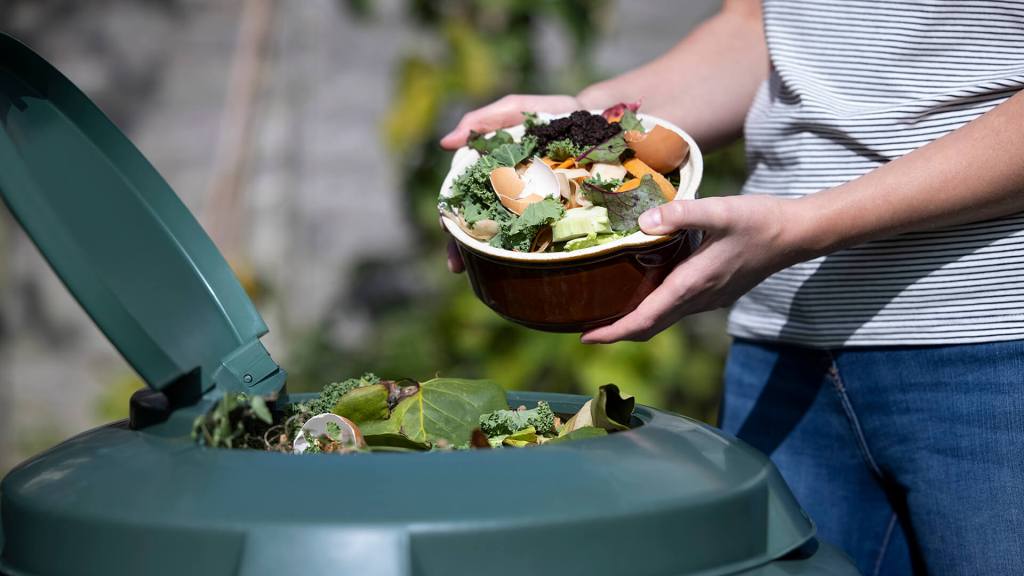
Credit: www.thecooldown.com
Starting Your Compost Journey
Embarking on the journey of composting at home is a rewarding and eco-friendly endeavor that can turn food scraps into nutrient-rich soil for your garden. Starting your compost journey involves selecting the right spot and choosing a suitable compost bin.
Choosing The Right Spot
When choosing a spot for your compost pile, opt for a level area with good drainage. Select a location that is convenient for adding kitchen scraps and yard waste. Keep in mind that direct sunlight can accelerate the decomposition process.
Selecting A Compost Bin
There are various types of compost bins available, including tumblers, bins, and open piles. Consider the amount of space you have, the volume of waste you generate, and your aesthetic preferences when selecting a compost bin. Ensure that the bin allows for proper aeration and moisture control to facilitate the composting process.
Green And Brown Matters
Learn the art of composting at home to transform food scraps into nutrient-rich soil for your garden. Green and Brown Matters provides valuable tips for turning waste into garden gold, promoting sustainability and reducing environmental impact. Start composting today and reap the benefits of a greener lifestyle.
Composting is an excellent way to turn your food scraps into nutrient-rich soil for your garden. However, not all food scraps are created equal, and understanding the ideal green and brown waste for composting is crucial to ensure that your composting process is efficient and effective.Ideal Green Waste For Composting
Green waste is typically high in nitrogen, which is essential for plant growth. Ideal green waste for composting includes food scraps such as fruit and vegetable peels, coffee grounds, tea bags, and eggshells. However, it’s important to avoid adding dairy, meat, or oily foods to your compost pile, as they can attract pests and slow down the composting process.The Role Of Brown Waste
Brown waste is typically high in carbon, which is essential for the composting process. Ideal brown waste includes items such as dry leaves, straw, newspaper, and cardboard. Adding brown waste to your compost pile helps to balance the nitrogen-rich green waste and provides the necessary carbon for the microorganisms that break down the organic matter in your compost pile.In conclusion, composting is a simple and effective way to turn your food scraps into garden gold. By understanding the ideal green and brown waste for composting, you can create a healthy and nutrient-rich soil for your garden while reducing your carbon footprint and helping the environment.Balancing Your Compost Ingredients
Achieving the perfect balance of compost ingredients is crucial for successful at-home composting. A mix of “green” and “brown” materials, including food scraps, leaves, and grass clippings, will create nutrient-rich soil for your garden.
The Carbon To Nitrogen Ratio
To maintain the balance, aim for a 30:1 ratio of Carbon to Nitrogen.Moisture And Aeration Essentials
Ensure your compost pile is as damp as a wrung-out sponge.When composting, remember to balance your ingredients correctly. Aim for a mix of green and brown materials. Green materials are rich in Nitrogen, like food scraps. Brown materials provide Carbon, such as dry leaves. Maintaining a proper balance is key for successful composting. Excess Nitrogen leads to a smelly pile, while too much Carbon slows down decomposition.The Carbon To Nitrogen Ratio
Strive for a 30:1 Carbon to Nitrogen ratio in your compost.Moisture And Aeration Essentials
Keep your compost moist, like a squeezed sponge, for optimal decomposition.Daily Composting Habits
Transforming food scraps into garden gold through daily composting habits is an eco-friendly way to reduce waste and enrich the soil. By composting at home, you can easily create nutrient-rich fertilizer for your garden while minimizing your environmental impact. Embracing daily composting habits is a simple yet impactful way to contribute to a more sustainable planet.
Kitchen Scraps To Compost
One of the key daily composting habits involves collecting kitchen scraps to turn them into nutrient-rich compost. By diverting these food scraps from the landfill, you not only reduce waste but also create a valuable resource for your garden. Here are some kitchen scraps you can compost:
- Fruit and vegetable peels
- Eggshells
- Coffee grounds
- Tea bags
- Grains and bread
Remember to chop or shred larger scraps to speed up the composting process. Avoid adding meat, dairy, or oily foods, as they can attract pests and slow down decomposition.
Avoiding Composting No-nos
While composting is a straightforward process, there are certain items you should avoid adding to your compost pile. These composting no-nos include:
- Meat and fish
- Dairy products
- Oily foods and fats
- Processed foods
- Animal waste
- Coal ashes
These items can not only create unpleasant odors but also attract pests and slow down the decomposition process. By avoiding these no-nos, you can maintain a healthy and efficient compost pile.
Maintaining Your Compost Pile
Composting is a fantastic way to turn your food scraps into nutrient-rich garden soil. However, maintaining your compost pile can be a bit challenging if you don’t know what you’re doing. Fortunately, with a few simple tips, you can keep your compost pile healthy and thriving.
Turning The Pile
One of the most critical aspects of maintaining your compost pile is regularly turning it. Turning your compost pile helps to aerate it, ensuring that oxygen can reach all parts of the pile. This, in turn, helps to speed up the decomposition process and prevent the pile from becoming too compacted.
It’s recommended that you turn your compost pile at least once a week. However, if you have a larger pile, you may need to turn it more frequently. When turning your pile, be sure to mix the outer layers into the center of the pile to ensure that all parts get equal amounts of oxygen.
Troubleshooting Common Issues
Despite your best efforts, you may encounter some common issues when maintaining your compost pile. Here are a few tips for addressing some of the most common problems:
| Issue | Solution |
|---|---|
| The pile smells bad | Add more carbon-rich materials such as dried leaves or shredded paper to balance out the nitrogen-rich food scraps. |
| The pile is not breaking down | Ensure that your pile has enough moisture and is being turned regularly. Also, consider adding more nitrogen-rich materials such as grass clippings or coffee grounds. |
| The pile is attracting pests | Avoid adding meat, dairy, or other animal products to your compost pile, as these can attract pests. Also, consider covering your pile with a lid or tarp to deter animals. |
By following these tips, you can maintain a healthy and thriving compost pile that will provide you with nutrient-rich garden soil for years to come.
Harvesting Your Compost
When it’s time to harvest your compost, sift through it to separate the rich, dark soil from any remaining food scraps. This nutrient-rich compost is ready to use in your garden, providing essential nutrients for your plants and helping to improve soil structure.
Recognizing Ready Compost
Ready compost looks dark, crumbly, and earthy.
- No visible food scraps or recognizable materials.
- Musty smell indicates it’s ready to use.
Using Compost In Your Garden
Spread a 2-inch layer of compost over soil surface.
- Mix compost into the top 6 inches of soil.
- Water the area thoroughly after applying compost.

Credit: www.amazon.com
Innovative Composting Techniques
Exploring unique methods to compost food scraps can enhance your gardening experience. Let’s delve into two innovative techniques: Vermicomposting with Worms and Bokashi: The Japanese Method.
Vermicomposting With Worms
Vermicomposting involves using red worms to break down organic materials into nutrient-rich compost.
- Red worms are efficient decomposers.
- Requires a worm bin and bedding material.
- Produces high-quality compost for plants.
Bokashi: The Japanese Method
Bokashi is a fermentation process that utilizes beneficial microbes to decompose food waste rapidly.
- Utilizes airtight buckets to ferment organic waste.
- Accepts all types of food waste, including meat and dairy.
- Produces a nutrient-rich liquid fertilizer.
Composting In Small Spaces
Transform your kitchen scraps into nutrient-rich compost, even in small spaces. Discover the secrets of home composting and create garden gold for your plants. With the right techniques, you can easily compost at home and reduce waste while nourishing your garden.
Composting in Small Spaces can be a challenge, but it’s not impossible. Whether you live in an apartment, have limited outdoor space, or just want to keep your composting efforts contained, there are options available to you. In this post, we’ll explore a few Indoor Composting Solutions and Community Composting Initiatives that can help you turn your food scraps into garden gold.Indoor Composting Solutions
If you don’t have access to outdoor space, indoor composting is a great option. There are a few different methods you can try, depending on your living situation and the amount of compost you want to produce.One option is a worm bin, also known as vermicomposting. Worms can help break down your food scraps quickly, and the process is relatively odor-free. You can purchase a worm bin online, or even make one yourself using a plastic container and some bedding material.Another indoor composting option is bokashi composting. This method involves fermenting your food scraps with the help of bokashi bran, a mixture of microorganisms that help break down organic matter. Bokashi composting doesn’t produce any odor and can be done in a small space like a kitchen countertop.Community Composting Initiatives
If indoor composting isn’t for you, there are still ways to compost in small spaces. Many communities now offer community composting initiatives, where residents can drop off their food scraps at a central location. These initiatives are often run by local farms or community gardens, and the resulting compost is used to nourish the soil and grow fresh produce.Another option is to join a composting co-op. These co-ops work by pooling resources and sharing the composting workload among members. You may need to contribute some money or time to join, but the benefits of having access to fresh compost are well worth it.In conclusion, composting in small spaces is easier than ever thanks to indoor composting solutions and community composting initiatives. No matter where you live or how much space you have, there’s a way to turn your food scraps into nutrient-rich garden gold.Inspiring A Composting Community
Composting at home is not just a sustainable way to reduce waste and nourish your garden; it can also be a catalyst for inspiring a composting community. By sharing your knowledge and passion for composting, you can encourage others to join in and make a positive impact on the environment. There are several ways to engage and educate your neighbors and friends about the benefits of composting.
Educating Neighbors And Friends
One of the first steps in inspiring a composting community is to educate your neighbors and friends about the importance of composting. By explaining how composting can reduce landfill waste, enrich the soil, and promote healthier plants, you can pique their interest and motivate them to start composting at home.
Here are a few ways to educate your neighbors and friends:
- Host a composting workshop in your backyard or community center
- Create informational flyers or brochures to distribute in your neighborhood
- Start a social media group or page dedicated to composting tips and discussions
- Offer to give personal demonstrations and share your composting experiences
Starting A Local Composting Program
If you want to take your composting efforts to the next level and inspire an even larger community, consider starting a local composting program. This program can involve collecting food scraps from your neighbors and friends to create a communal compost pile or organizing regular pick-ups of food waste to be composted at a central location.
Here are some steps to help you start a local composting program:
- Research local regulations and permits required for community composting
- Reach out to local government officials and organizations for support and guidance
- Organize a meeting or event to gather interested participants
- Create a schedule for food waste collection or compost drop-off
- Provide resources and guidance to participants to ensure successful composting
By starting a local composting program, you not only inspire others to compost but also create a sense of community and collective action towards a more sustainable future.
Frequently Asked Questions
How Can I Start Composting At Home?
You can start composting at home by collecting food scraps, yard waste, and adding them to a compost bin. Ensure a good mix of green and brown materials, keep the pile moist, and turn it regularly to speed up the process.
What Can I Compost At Home?
You can compost fruit and vegetable scraps, coffee grounds, eggshells, yard waste like leaves and grass clippings, and some paper products like newspaper and cardboard. Avoid composting meat, dairy, and oily foods.
How Long Does It Take To Make Compost At Home?
The time it takes to make compost at home can vary, but with the right conditions and regular maintenance, you can produce compost in about 2 to 6 months. Factors like the size of the compost pile and the materials used can influence the process.
What Are The Benefits Of Composting At Home?
Composting at home reduces waste, enriches soil, and decreases the need for chemical fertilizers. It also helps to retain moisture in the soil, suppress plant diseases and pests, and encourages the production of beneficial bacteria and fungi.
Conclusion
Composting at home is a simple yet impactful way to reduce waste, enrich your garden, and contribute to a more sustainable future. By turning food scraps into nutrient-rich garden gold, you can create a closed-loop system that benefits both your plants and the environment.
Embracing this eco-friendly practice not only reduces landfill waste but also promotes healthy soil, conserves water, and decreases the need for synthetic fertilizers. Start composting today and watch your garden thrive while making a positive impact on the planet.


