
Should the oven igniter stay on? (Troubleshooting & Safety Guide)

The oven igniter should not stay on continuously as it may cause overheating and safety hazards. It is designed to ignite the gas and then turn off once the oven reaches the set temperature.
If the igniter remains on, it could indicate a malfunction that needs to be addressed promptly. When the igniter stays on, it can lead to excessive heat buildup, potentially damaging the oven components or even causing a fire. In addition, prolonged use of a faulty igniter can result in higher energy consumption and costly repairs.
Therefore, it is essential to troubleshoot and resolve any issues with the oven igniter promptly to ensure safe and efficient operation.
:max_bytes(150000):strip_icc()/why-your-oven-wont-heat-up-1152246-hero-69771883db274944848e8c265cc484bd.jpg)
Credit: www.thespruce.com
The Role Of Oven Igniters
Oven igniters play a crucial role in igniting the gas to heat the oven. The oven igniter should turn off once the desired temperature is reached, ensuring safe and efficient operation. If the igniter stays on continuously, it may indicate a malfunction that needs immediate attention to prevent safety hazards.
How Oven Igniters Work
Oven igniters are an important component of gas ovens, responsible for igniting the gas that heats up the oven. When the oven is turned on, the igniter begins to heat up and once it reaches a certain temperature, the gas valve opens, allowing gas to flow through the burner and ignite. This process is controlled by the oven’s safety valve, which ensures that the gas supply is shut off if the igniter fails to function properly.
Types Of Oven Igniters
There are two main types of oven igniters: the hot surface igniter and the spark igniter. The hot surface igniter is the most common type and is made up of a ceramic material that glows red hot when electricity is passed through it. The spark igniter, on the other hand, uses an electric spark to ignite the gas. While both types of igniters perform the same function, they work differently and have their own unique advantages and disadvantages.
In conclusion, the oven igniter plays a crucial role in the functioning of gas ovens. It is important to ensure that the igniter is functioning properly, as any malfunction can lead to dangerous situations. Understanding the different types of igniters and how they work can help you make informed decisions when it comes to maintaining and repairing your gas oven.

Credit: www.abchomeandcommercial.com
Myths About Oven Igniters
Common myths about oven igniters may lead to confusion about whether the igniter should stay on. In reality, the igniter should stay on until the oven reaches the set temperature, then it will cycle off as the gas ignites. Understanding this process can help dispel misconceptions about oven igniters.
Constant Ignition Myth
One of the most common myths about oven igniters is that they should always be on. Some people believe that leaving the oven igniter on will help maintain a consistent temperature, but this is not true. The oven igniter is designed to turn on and off as needed to keep the oven at the desired temperature. Constant ignition not only wastes energy, but it can also damage the igniter and other components of the oven.
Energy Consumption Misconceptions
Another myth about oven igniters is that they consume a lot of energy. While it’s true that the oven igniter uses electricity to ignite the gas in the oven, it only uses a small amount of energy. In fact, modern oven igniters are designed to be energy efficient, using less than 3 amps of electricity. So, leaving the oven igniter on for long periods of time will not significantly increase your energy consumption.
Overall, it’s important to understand the facts about oven igniters and not fall for common myths and misconceptions. Keeping the oven igniter on constantly can waste energy and damage the oven, while modern igniters are designed to be energy efficient. By using your oven properly, you can ensure that it operates safely and efficiently for years to come.
The Importance Of Igniter Functionality
In a gas oven, the igniter is a crucial component that plays a vital role in the oven’s operation. It is responsible for igniting the gas that allows the oven to heat up and cook your food. Without a properly functioning igniter, your oven may fail to start or experience issues with temperature regulation. Understanding the importance of igniter functionality is essential for ensuring both safety and efficiency in your kitchen.
Safety Concerns
When it comes to gas appliances, safety should always be a top priority. A malfunctioning igniter can pose potential risks such as gas leaks or incomplete combustion, leading to the release of dangerous carbon monoxide gas. This odorless and colorless gas is highly toxic and can cause serious health issues or even be fatal if not detected. Therefore, it is crucial to have a properly functioning igniter to ensure the safe operation of your oven.
Efficiency And Performance
In addition to safety concerns, the functionality of the igniter also directly affects the efficiency and performance of your oven. A faulty igniter may struggle to reach the necessary temperature, resulting in longer cooking times and uneven heat distribution. This can lead to undercooked or overcooked food, which is not only inconvenient but also affects the overall quality of your meals.
A properly functioning igniter ensures that the gas is ignited at the right time and in the correct amount, allowing your oven to reach and maintain the desired temperature consistently. This not only improves the efficiency of your oven but also enhances its overall performance, providing you with reliable cooking results every time.
Understanding The Ignition Cycle
Understanding the ignition cycle is crucial when it comes to determining if the oven igniter should stay on. By grasping the intricacies of this process, you can ensure the safe and efficient operation of your oven without any unnecessary risks.
When it comes to the oven igniter, understanding the ignition cycle is crucial. This cycle is responsible for heating up the oven to the desired temperature and ensuring that your food is cooked evenly. To grasp the concept better, let’s break it down into two main phases: the preheat phase and the cooking phase.
Preheat Phase
The preheat phase is the initial stage of the ignition cycle. During this phase, the oven igniter stays on to heat up the oven and bring it to the set temperature. Once you turn on your oven and select the desired temperature, the igniter activates and begins emitting a bright, glowing light. This glow is caused by the electrical current passing through the igniter’s heating element.
As the igniter heats up, it reaches a high enough temperature to ignite the gas flowing into the oven. This ignition process is crucial for the oven to reach the desired temperature efficiently. Once the oven reaches the set temperature, the igniter typically shuts off, indicating that the preheat phase is complete.
Cooking Phase
After the preheat phase, the cooking phase begins. During this phase, the oven igniter may cycle on and off periodically to maintain the set temperature. The igniter will turn on whenever the oven’s temperature drops below the desired level, and it will stay on until the temperature rises back to the set point.
This cycling on and off of the igniter is necessary to ensure that the oven maintains a consistent temperature throughout the cooking process. It prevents the oven from cooling down too much and keeps the heat at the desired level for efficient cooking. The frequency and duration of the igniter cycles may vary depending on the specific oven model.
It’s important to note that if the oven igniter stays on continuously throughout the cooking phase without cycling on and off, it could indicate a malfunction. This can result in overheating and potential damage to the oven. If you notice this issue, it’s advisable to consult a professional technician to diagnose and resolve the problem.
In conclusion, understanding the ignition cycle of your oven is essential for efficient and effective cooking. The preheat phase allows the oven to reach the desired temperature, while the cooking phase maintains that temperature through igniter cycling. By being aware of how the ignition cycle works, you can ensure the optimal performance of your oven and enjoy perfectly cooked meals every time.
Common Igniter Issues
An oven igniter is a crucial component that ensures your oven heats up properly. However, several common issues can arise, affecting its performance. Understanding these issues is essential for maintaining a functional oven.
Failure To Ignite
When the oven igniter fails to ignite, it can lead to frustration and inconvenience. This issue may be caused by a faulty igniter, gas supply problems, or issues with the control board. Regular maintenance can help prevent this problem.
Staying On: Normal Vs. Fault
Understanding whether the oven igniter staying on is normal or a fault is crucial for safety and proper functionality. A malfunctioning igniter may stay on constantly, posing a risk of overheating and potential safety hazards. Regular inspection is important for identifying and addressing this issue.
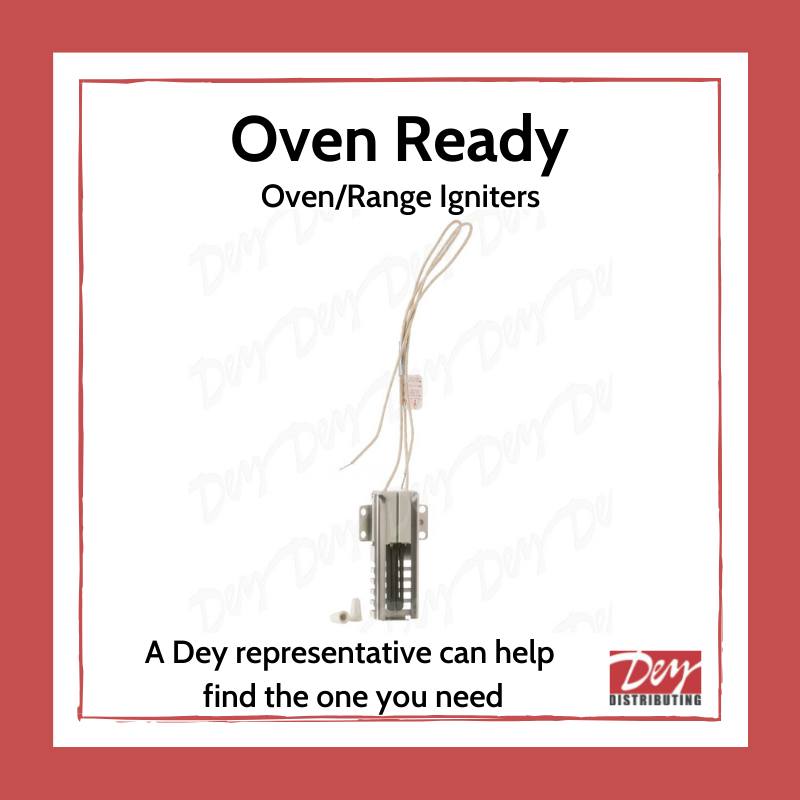
Credit: m.facebook.com
Troubleshooting Igniter Problems
The oven igniter should not stay on continuously. If you are experiencing igniter problems, it could be due to a faulty ignition switch, a malfunctioning safety valve, or a damaged igniter itself. Troubleshooting these issues is crucial to ensure proper functioning of your oven.
When To Call A Professional
When DIY fixes fail to resolve the issue.
Diy Fixes
Check for gas supply, clean the igniter, and ensure proper connections.
If problem persists, replace the igniter using a step-by-step guide.
Remember, safety first when working with gas appliances.
Knowing when to seek professional help is crucial for your safety.
Maintenance Tips For Oven Igniters
Maintenance tips for oven igniters are crucial to ensure your oven functions efficiently. Regular checks and proper cleaning practices can extend the lifespan of your oven igniter.
Regular Checks
Perform regular checks on the oven igniter to ensure it is functioning properly.
- Check for any signs of wear and tear.
- Look for cracks or damage on the igniter.
- Ensure the igniter is glowing brightly when the oven is in use.
Cleaning Practices
Keeping the oven igniter clean is essential for its longevity and efficiency.
- Remove any food debris or grease buildup around the igniter.
- Use a soft brush or cloth to gently clean the igniter.
- Avoid using harsh chemicals that can damage the igniter.
When To Replace Your Oven Igniter
Is your oven igniter acting up? It may be time for a replacement. Knowing when to replace your oven igniter is crucial for maintaining a properly functioning appliance. Below, we’ll explore the signs of wear and tear to watch out for and how to choose a suitable replacement.
Signs Of Wear And Tear
- Weak or no flame:
- Long preheating times:
- Uneven cooking:
Choosing A Replacement
- Check your oven model:
- Purchase a compatible igniter:
- Consider professional installation:
Frequently Asked Questions
Is It Normal For The Oven Igniter To Glow Constantly?
Yes, it’s normal for the oven igniter to stay on until the desired temperature is reached. The igniter cycles on and off to maintain the set temperature, so a constant glow is part of its normal operation.
Why Does The Oven Igniter Stay On After The Burner Ignites?
The oven igniter may continue to glow briefly after the burner ignites, as it’s ensuring that the proper temperature is maintained. This is a normal part of the heating process and helps to regulate the oven’s temperature.
Can A Continuously Glowing Oven Igniter Be A Safety Concern?
A continuously glowing oven igniter is not a safety concern, as it’s designed to operate this way. However, if the igniter is not functioning properly, it may lead to issues with the oven’s heating and should be checked by a professional.
Conclusion
It’s essential to ensure the oven igniter is not continuously staying on. This can lead to safety hazards, energy inefficiency, and potential damage to the appliance. Regular maintenance and prompt repairs are crucial for safe and efficient oven operation. Always consult a professional for any concerns about your oven’s igniter.


