
What to Do When There’s a Kitchen Fire: Quick Safety Tips

To deal with a kitchen fire, immediately turn off the heat source and cover the flames with a metal lid or baking sheet. Then, carefully remove the pan from the heat and never use water or flour to extinguish the fire, as it can make the situation worse.
Kitchen fires can be terrifying and dangerous situations that require quick thinking and immediate action. Whether it’s a small grease fire or a larger blaze, knowing how to respond can mean the difference between a minor incident and a catastrophic event.
We will discuss the essential steps to take when faced with a kitchen fire. By following these guidelines, you can help protect yourself, your loved ones, and your property from harm. Remember, staying calm and acting swiftly is crucial in managing a kitchen fire effectively.

Credit: www.tvfr.com
The Reality Of Kitchen Fires
The Reality of Kitchen Fires: Kitchen fires are a common occurrence, with the leading causes being unattended cooking and flammable materials near heat sources. According to statistics, kitchen fires account for a significant portion of all household fires, resulting in substantial property damage and injuries. It is crucial to be prepared and know how to react in the event of a kitchen fire. Having a fire extinguisher and knowing how to use it is essential for quickly controlling small fires. Ensuring that smoke alarms are functioning and having an escape plan are also vital for safety. In the event of a fire, it is important to act swiftly and calmly, using the appropriate firefighting equipment and evacuating the area if necessary.
Initial Steps To Take
When there’s a kitchen fire, assess the situation immediately. Determine if it can be extinguished quickly and safely. Alerting others in the house about the fire is crucial. Make sure everyone is aware of the situation and can evacuate if necessary. If the fire can’t be controlled, evacuate the area and call emergency services. Remember, safety is the top priority. Keep calm and act swiftly.
Safety Precautions
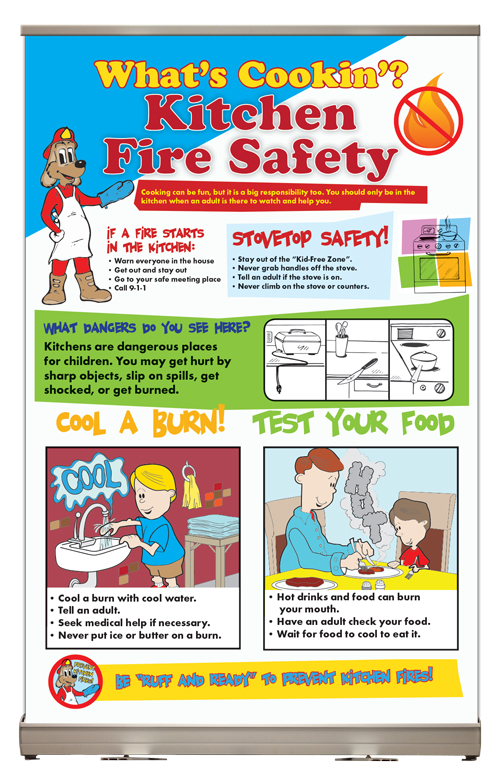
Evacuation Plan is crucial in case of a kitchen fire. Establish a clear route to exit the house and a meeting point outside. Smoke detectors are essential for early fire detection. Regularly check and maintain them. Fire extinguishers should be easily accessible in the kitchen area. Ensure everyone knows how to use them properly.
Credit: firesafetyforlife.com
Types Of Kitchen Fires
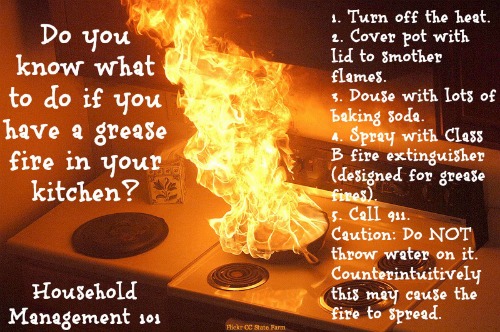
Kitchen fires can be caused by various factors such as grease buildup, overheating, or electrical malfunction. In case of a fire, turn off the heat source and cover the flames with a lid or baking soda. Never use water or a fire extinguisher on a grease fire.
Evacuate the area and call for help if necessary.
| Types of Kitchen Fires |
| Grease Fires |
| Grease fires are common and should never be extinguished with water. |
| Electrical Fires |
| Electrical fires need to be handled by cutting off the power source. |
| Oven and Microwave Fires |
| Oven and microwave fires can be put out by keeping the door closed. |
Extinguishing Methods
During a kitchen fire, quick actions can prevent the blaze from spreading and causing further damage. One method to extinguish small fires is by using baking soda. Sprinkle it on the flames until they are completely covered, and the fire will be smothered. For larger fires, fire blankets can be used to suffocate the flames. They should be placed over the fire and surrounding areas to prevent the spread of flames and smoke. It’s also important to have appropriate extinguishers on hand for different types of fires. Class B extinguishers, for example, can be used for fires caused by flammable liquids like oil and grease. Remember to always prioritize your safety and evacuate immediately if the fire is out of control.
| Extinguisher Type | Fire Type |
|---|---|
| Class A | Combustible materials like wood, paper, and cloth |
| Class B | Flammable liquids like oil and grease |
| Class C | Electrical fires |
What Not To Do
When faced with a kitchen fire, remain calm and do not panic. Avoid using water or a wet towel as it can spread the fire. Instead, turn off the heat source and cover the flames with a lid. Remember to keep a fire extinguisher nearby and know how to use it. In case the fire grows, evacuate immediately and call for help. Some common mistakes include trying to move the flaming pot and forgetting to turn off the stove. Dangerous misconceptions involve thinking that a small fire can be easily controlled without professional help.
Post-fire Procedures
Post-Fire Procedures:
Damage Assessment: The first step after a kitchen fire is to assess the damage. Look for structural damage, electrical damage, and water damage. Check the walls, ceiling, cabinets, and appliances for any signs of damage. If there is any doubt, contact a professional.
Cleanup and Recovery: After assessing the damage, it is time to start cleaning up. Wear protective clothing and use a fire extinguisher if necessary. Remove any debris and ventilate the area. Dry out any wet areas to prevent mold. Contact a professional cleaning service to help with the recovery process.
Credit: www.household-management-101.com
Prevention Strategies
Preventing a kitchen fire is always better than dealing with the aftermath. Follow safe cooking practices to avoid the possibility of a fire. Keep flammable items such as towels, pot holders, and paper away from the stove. Never leave your cooking unattended and avoid wearing loose-fitting clothing while cooking. Regular maintenance and inspections of your kitchen appliances can also help to prevent a fire from starting. Make sure to clean grease buildup from your stove and oven regularly, and check for any damaged wires or cords on your appliances. By taking these preventative measures, you can significantly reduce the likelihood of a kitchen fire.
| Safe Cooking Practices | Regular Maintenance and Inspections |
|---|---|
| Keep flammable items away from stove | Clean grease buildup from stove and oven regularly |
| Never leave cooking unattended | Check for damaged wires or cords on appliances |
| Avoid wearing loose-fitting clothing while cooking |
Educational Resources
Take Cooking Safety Courses to learn fire prevention and emergency response techniques. Community Support Programs provide additional resources and assistance for fire safety education.
Frequently Asked Questions
How Can I Prevent A Kitchen Fire?
To prevent a kitchen fire, always stay in the kitchen while cooking, keep flammable items away from the stove, and use a timer as a reminder. Regularly clean the oven and stove to prevent grease buildup, and install smoke detectors near the kitchen area.
Practice safe cooking habits to minimize the risk of a kitchen fire.
What Should I Do If There’s A Kitchen Fire?
If there’s a kitchen fire, first turn off the heat source if it’s safe to do so. Never use water on a grease fire; instead, smother the flames with a lid or use a fire extinguisher. If the fire is too large to handle, evacuate the premises and call emergency services immediately.
How Can I Extinguish A Small Kitchen Fire?
To extinguish a small kitchen fire, use baking soda or salt to smother the flames. Avoid using flour or water, as they can make the fire worse. If the fire is contained in a pan, cover it with a lid to cut off the oxygen supply.
Always prioritize your safety and call for help if needed.
Conclusion
In case of a kitchen fire, remain calm, smother the flames, and never use water. Safety is key. Remember to always have an extinguisher nearby for emergencies. Prioritize your safety and have an evacuation plan in place. Stay prepared and act swiftly to ensure everyone’s well-being.


