
Kitchen Sink Starting to Smell? Top Quick Fixes Now!

Is your kitchen sink starting to emit an unpleasant odor that’s making your cooking and cleaning experience less than pleasant? A smelly kitchen sink can be a common issue in many households, but understanding the root cause of the problem can help you eliminate the odor and keep your kitchen smelling fresh.
Possible Causes of Kitchen Sink Odor
There are several factors that can contribute to a smelly kitchen sink. Identifying the cause of the odor is the first step in resolving the issue. Here are some common reasons why your kitchen sink may be emitting a foul smell:
- Food Residue: Leftover food particles that accumulate in the drain can decompose and produce a strong odor.
- Grease Build-Up: Grease and oil from cooking can solidify in the pipes and produce a foul smell over time.
- Bacteria Growth: Bacteria thrive in damp environments, such as kitchen drains, and can cause unpleasant odors.
- Mold and Mildew: Moisture in the sink can promote the growth of mold and mildew, which can create a musty smell.
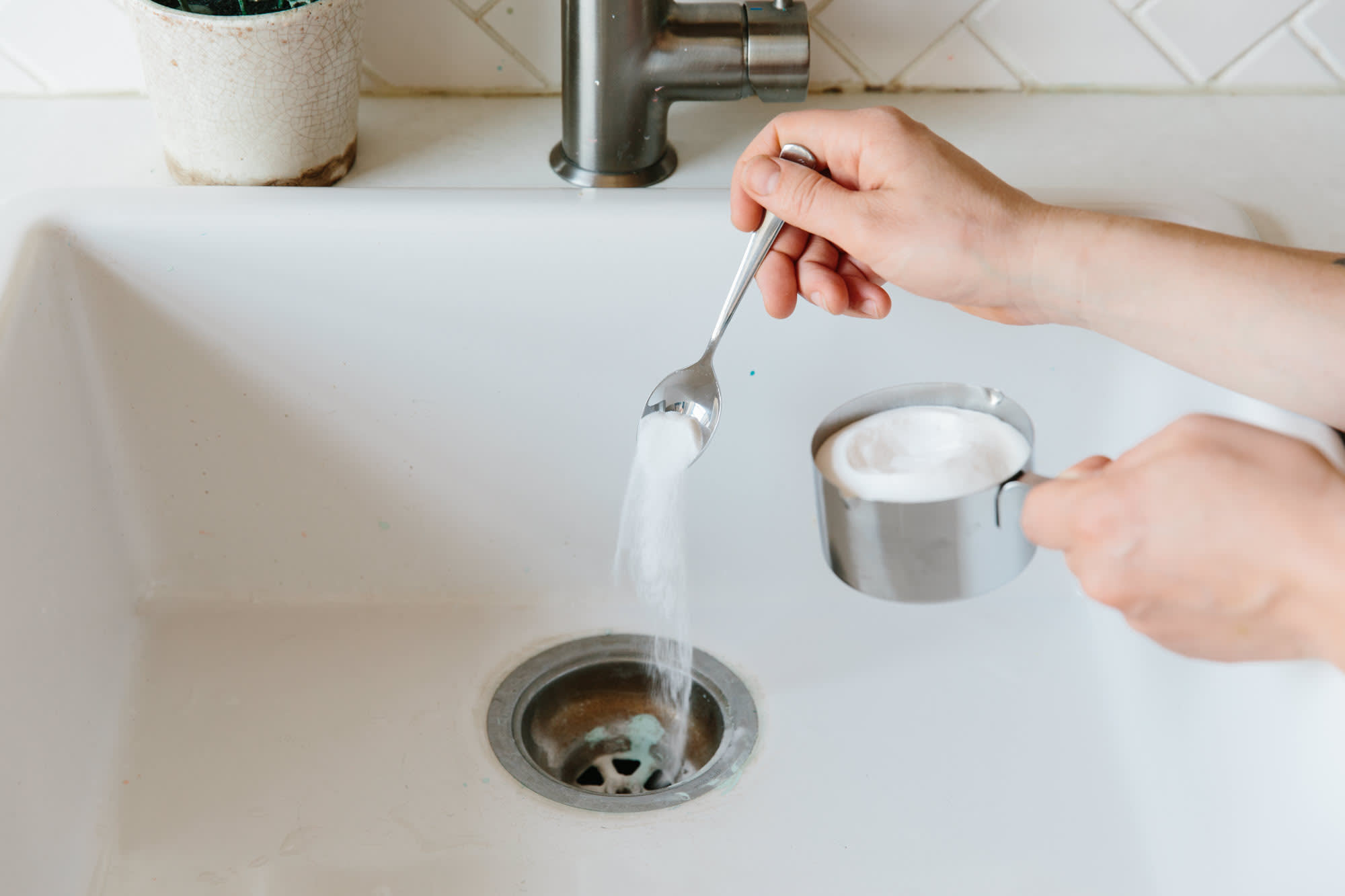
Credit: www.thekitchn.com
Effective Ways to Eliminate Kitchen Sink Odor
Now that you know some of the common culprits behind a smelly kitchen sink, let’s explore some effective ways to eliminate the odor and keep your sink smelling fresh:
1. Clean Your Sink Regularly
Keeping your sink clean is essential for preventing odor-causing residue from building up. Use a mixture of baking soda and vinegar to scrub the sink and drain, removing any food particles and grease that may be contributing to the smell.
2. Run Hot Water Down The Drain
Regularly running hot water down the drain can help dissolve grease and prevent it from solidifying in the pipes. Boiling water can also be effective in flushing out bacteria and eliminating odor.
3. Use Citrus Peels
Throwing citrus peels, such as lemon or orange, down the disposal can help freshen up the sink and leave behind a pleasant aroma. The natural oils in citrus fruits can also help combat bacteria and mold growth.
4. Clean The Garbage Disposal
If you have a garbage disposal, it’s important to clean it regularly to prevent food particles from accumulating and causing odor. You can use a mixture of ice cubes and salt to clean the disposal and sharpen the blades.
5. Use A Commercial Drain Cleaner
If the odor persists despite your efforts, you may consider using a commercial drain cleaner to eliminate any stubborn residue or bacteria in the pipes. Be sure to follow the manufacturer’s instructions when using these products.
6. Check For Leaks
In some cases, a foul smell in the kitchen sink may be due to a leak in the pipes. Inspect the area under the sink for any signs of water leakage, and address any issues promptly to prevent further damage and odor.

Credit: www.seiko-giken.jp
Preventing Kitchen Sink Odor
Prevention is key when it comes to keeping your kitchen sink smelling fresh. By following these simple tips, you can prevent odor from developing in the first place:
1. Dispose Of Food Properly
Avoid putting large food scraps down the drain and use a strainer to catch any debris that may cause clogs and odor. Dispose of food waste in the trash or compost bin instead.
2. Avoid Pouring Grease Down The Drain
Grease and oil can solidify in the pipes and lead to unpleasant odors. Dispose of grease properly by collecting it in a container and throwing it in the trash once it solidifies.
3. Run Cold Water While Using The Disposal
Running cold water while using the garbage disposal can help solidify grease and prevent it from accumulating in the pipes. It can also help flush out food particles and keep the disposal clean.
4. Use Drain Strainers
Install drain strainers in your sink to catch food particles and debris before they enter the drain. Regularly clean the strainers to prevent clogs and odor-causing residue.
5. Freshen Up Your Sink Regularly
Keep your sink smelling fresh by regularly using natural deodorizers, such as baking soda, vinegar, or citrus peels. These can help eliminate odor and prevent bacteria growth.
Frequently Asked Questions
Why Is My Kitchen Sink Starting To Smell?
If you are experiencing a bad smell from your kitchen sink, it could be due to food particles, grease, and bacteria buildup in the drain.
How Can I Prevent My Kitchen Sink From Smelling?
To prevent your kitchen sink from smelling, you can regularly clean the drain with baking soda and vinegar, avoid pouring grease down the drain, and use a drain strainer to catch food particles.
What Can I Do If My Kitchen Sink Still Smells After Cleaning?
If your kitchen sink still smells after cleaning, you can try pouring a mixture of baking soda and lemon juice down the drain, using a natural enzyme cleaner, or calling a professional plumber.
Can A Smelly Kitchen Sink Be Harmful To My Health?
A smelly kitchen sink can be a breeding ground for harmful bacteria that can cause health problems. It’s important to keep your kitchen sink clean and odor-free to maintain a healthy home.
How Often Should I Clean My Kitchen Sink To Prevent Bad Smells?
To prevent bad smells, it’s recommended to clean your kitchen sink at least once a week using a mixture of baking soda and vinegar or a natural enzyme cleaner.
Conclusion
Dealing with a smelly kitchen sink can be a frustrating experience, but with the right approach, you can eliminate the odor and prevent it from recurring. By following the tips outlined in this article and maintaining good kitchen sink hygiene practices, you can keep your sink smelling fresh and clean.


