
How to Kitchen Sink Drain | Ultimate Clog Clearing Guide

Having a clogged kitchen sink drain can be a frustrating and messy experience. Whether it’s due to food particles, grease, or other debris, a clogged drain can prevent water from flowing freely and create unpleasant odors. However, with a few simple steps, you can learn how to unclog your kitchen sink drain and keep it running smoothly.
Step 1: Gather Your Supplies
Before you begin, gather the necessary supplies to tackle the task at hand. You will need:
- Plunger
- Baking soda
- Vinegar
- Boiling water
- Wire hanger or drain snake
- Rubber gloves
- Bucket or bowl
Step 2: Remove any Standing Water
If there is standing water in your sink, it’s essential to remove it before attempting to unclog the drain. Use a bucket or bowl to scoop out the water and dispose of it properly. This step will make it easier to access the drain and prevent any overflow during the unclogging process.
Step 3: Try Plunging
Using a plunger is often the first line of defense when it comes to unclogging a kitchen sink drain. Place the plunger over the drain, ensuring a tight seal. Push and pull the plunger vigorously to create suction and dislodge any clogs. Repeat this process several times until the water starts to drain properly.
Step 4: Use Baking Soda and Vinegar
If plunging doesn’t solve the issue, it’s time to turn to a natural solution using baking soda and vinegar. Start by pouring a pot of boiling water down the drain to help break up any debris. Next, sprinkle a cup of baking soda into the drain, followed by a cup of vinegar. Cover the drain with a plug or a cloth to contain the reaction. Let the mixture sit for about 30 minutes, then flush the drain with boiling water again. This method can help dissolve grease and other stubborn clogs.
/how-to-install-a-sink-drain-2718789-05-a2a602315a3d4d12a8ed20429230382c.jpg)
Credit: www.thespruce.com
Step 5: Try a Wire Hanger or Drain Snake
If the clog remains, it’s time to get more hands-on. Straighten out a wire hanger, or use a drain snake if you have one. Insert the wire or snake into the drain and gently move it back and forth to dislodge any obstructions. Be careful not to push the clog further down the pipe. Once you feel resistance, pull out the wire or snake and discard any debris that came out with it.
Step 6: Prevent Future Clogs
Now that you’ve successfully unclogged your kitchen sink drain, it’s essential to take preventive measures to avoid future clogs. Here are some tips:
- Avoid pouring grease or oil down the drain. Instead, let it solidify and dispose of it in the trash.
- Use a drain strainer to catch food particles and other debris before they enter the drain.
- Run hot water down the drain after each use to help flush away any potential clog-causing substances.
- Regularly clean your drain by pouring a mixture of baking soda and vinegar down the drain, followed by hot water.
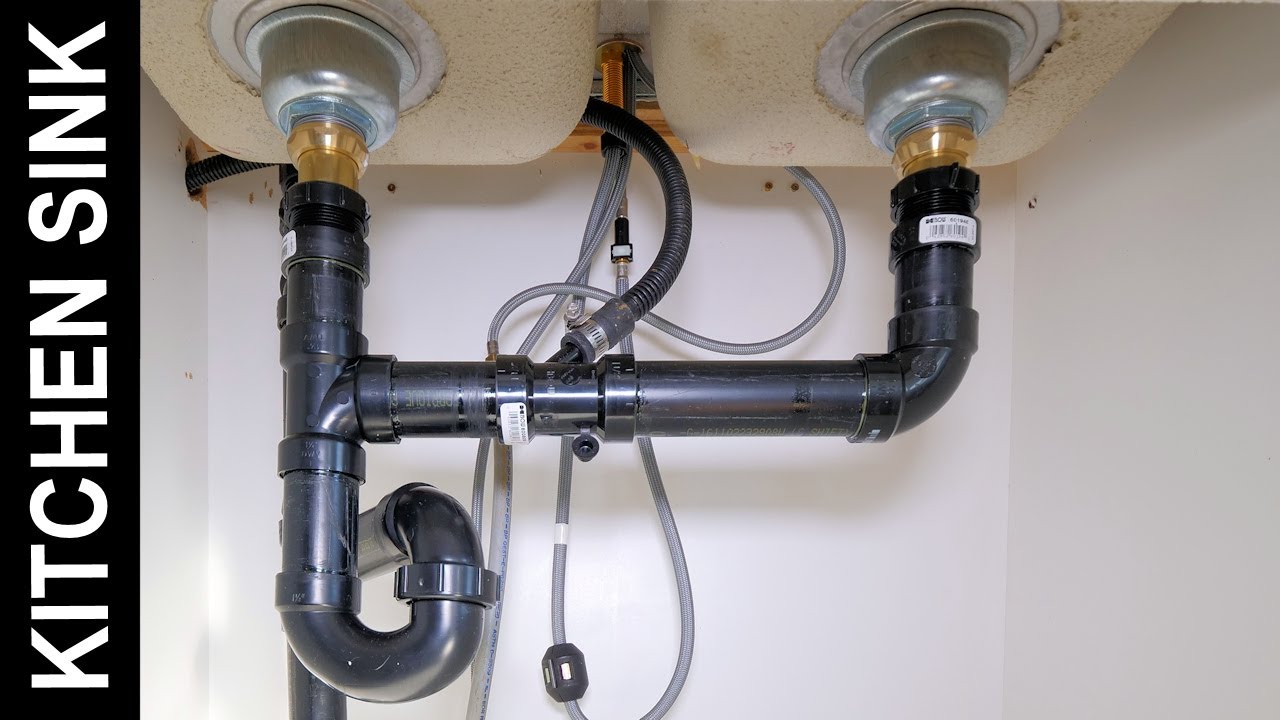
Credit: www.youtube.com
Frequently Asked Questions
How Do I Unclog My Kitchen Sink Drain?
You can unclog your kitchen sink drain by using a plunger, baking soda and vinegar, or a plumbing snake.
What Causes A Kitchen Sink To Clog?
A kitchen sink can be clogged due to a buildup of food waste, grease, soap, or foreign objects in the drain pipe.
Can I Use Bleach To Unclog My Kitchen Sink?
No, bleach can damage your pipes and cause harm to your health. It is not recommended to use bleach to unclog your kitchen sink.
How Often Should I Clean My Kitchen Sink Drain?
You should clean your kitchen sink drain once a month to prevent clogs and keep it smelling fresh.
What Are Some Preventive Measures To Avoid Clogging?
You can prevent clogs by avoiding pouring grease down the drain, using a strainer to catch food particles, and running hot water down the drain after each use.
Conclusion
Dealing with a clogged kitchen sink drain doesn’t have to be a daunting task. By following these simple steps, you can unclog your drain and keep it running smoothly. Remember to gather your supplies, remove any standing water, try plunging, use baking soda and vinegar, try a wire hanger or drain snake, and take preventive measures to avoid future clogs. With a little effort and some regular maintenance, you can keep your kitchen sink drain in top shape.
So, the next time you encounter a clogged kitchen sink drain, don’t panic. Take a deep breath, grab your supplies, and follow these steps to restore proper drainage in no time!


