
How Often Should You Replace Kitchen Cabinets: Smart Refresh Tips

Kitchen cabinets are an essential part of any kitchen, providing storage and adding to the overall aesthetic appeal of the space. Over time, however, they can start to show signs of wear and tear, prompting the question of how often they should be replaced. In this article, we will explore the factors that determine the lifespan of kitchen cabinets and provide guidance on when it might be time for a replacement.
Factors Affecting the Lifespan of Kitchen Cabinets
Several factors can influence how long kitchen cabinets will last before needing to be replaced. Understanding these factors can help homeowners make informed decisions about when to invest in new cabinetry.
Quality Of Materials
The quality of the materials used in the construction of kitchen cabinets plays a significant role in determining their lifespan. Cabinets made from high-quality, durable materials such as hardwoods or plywood are likely to last longer than those constructed from cheaper, less resilient materials.
Construction Techniques
The way in which kitchen cabinets are constructed can also impact their longevity. Cabinets that are well-built and have sturdy joints and hardware are more likely to withstand the test of time compared to those that are poorly constructed or have subpar hardware.
Usage And Maintenance
How the cabinets are used and maintained can also affect their lifespan. Cabinets that are subjected to heavy use, frequent spills, or inadequate maintenance may deteriorate more quickly than those that are well-cared for and used in a gentle manner.
Design Trends
Another factor to consider is design trends. Kitchen cabinet styles and finishes can go in and out of fashion, and homeowners may choose to replace their cabinets simply to update the look of their kitchen rather than due to structural issues.

Credit: distinctivecabinetry.us
Typical Lifespan of Kitchen Cabinets
While the lifespan of kitchen cabinets can vary depending on the factors mentioned above, a well-maintained set of cabinets can generally be expected to last for several decades. High-quality cabinets that are properly cared for may last 50 years or more, while cabinets of lesser quality may need to be replaced within 10 to 15 years.
It’s important to note that while the cabinets themselves may remain structurally sound for many years, the appearance and functionality of the cabinets can start to decline over time. This can prompt homeowners to consider a replacement even if the cabinets are still technically functional.
Signs It’s Time for Replacement
There are several signs that can indicate it’s time to replace kitchen cabinets. Being aware of these signs can help homeowners proactively address any issues before they become more serious problems.
Visible Damage
If the cabinets show visible signs of damage such as warping, water stains, or deep scratches that cannot be repaired, it may be time to consider replacing them.
Structural Issues
Issues such as sagging shelves, broken drawer runners, or loose hinges can indicate that the cabinets are no longer structurally sound and may need to be replaced to ensure the safety and functionality of the kitchen.
Deteriorating Finish
If the finish on the cabinets is deteriorating, peeling, or showing signs of excessive wear, it can detract from the overall appearance of the kitchen and may warrant a replacement.
Outdated Style
Homeowners who are looking to update the look of their kitchen may opt to replace their cabinets if the current style is outdated or no longer aligns with their aesthetic preferences.
Poor Functionality
If the cabinets no longer function as they should, such as doors that don’t close properly, drawers that are difficult to open, or storage space that no longer meets the needs of the household, it may be time for an upgrade.
Maintaining and Extending the Lifespan of Kitchen Cabinets
While it’s inevitable that kitchen cabinets will eventually need to be replaced, there are steps that homeowners can take to maintain and extend the lifespan of their cabinets.
Regular Cleaning And Maintenance
Regular cleaning and maintenance can help prevent premature wear and damage to kitchen cabinets. Wiping down the surfaces with a gentle cleanser and ensuring that spills are promptly cleaned up can go a long way in preserving the cabinets.
Proper Use
Using the cabinets as intended and avoiding overloading shelves and drawers can help prevent unnecessary strain on the cabinet structures, prolonging their lifespan.
Hardware Upgrades
Upgrading cabinet hardware such as hinges, drawer slides, and knobs can improve the functionality and longevity of the cabinets without the need for a full replacement.
Refinishing Or Refacing
For cabinets that are still structurally sound but showing signs of wear, refinishing or refacing the surfaces can provide a cost-effective way to refresh the look of the cabinets without the need for a complete replacement.
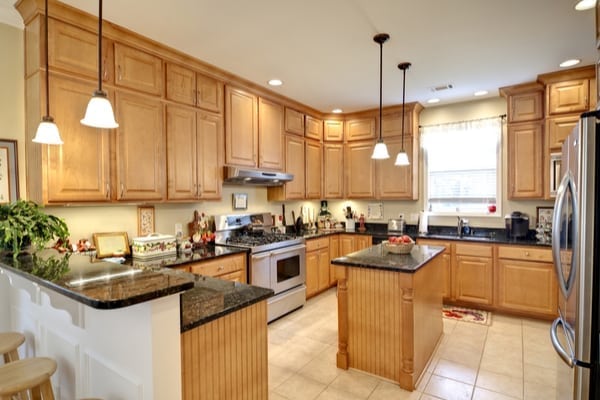
Credit: cabinetsdirectusa.com
Frequently Asked Questions
How Long Do Kitchen Cabinets Typically Last?
Kitchen cabinets can last 15-20 years with proper care and maintenance.
What Are Signs That Indicate Cabinet Replacement?
Signs include water damage, sagging doors, and worn-out finishes.
Is It Necessary To Replace All Cabinets At Once?
You can replace cabinets individually based on their condition and budget.
What Factors Influence The Frequency Of Replacement?
Factors like quality, usage, and environmental conditions impact replacement frequency.
How Can You Extend The Lifespan Of Kitchen Cabinets?
Regular cleaning, avoiding water damage, and proper maintenance help prolong cabinets.
Conclusion
When it comes to the question of how often kitchen cabinets should be replaced, there is no one-size-fits-all answer. The lifespan of kitchen cabinets can vary depending on factors such as the quality of materials, construction techniques, usage, and maintenance. However, with proper care and attention, homeowners can extend the lifespan of their cabinets and address any signs of wear or damage before they become more serious issues. By staying attuned to the condition and functionality of their cabinets, homeowners can make informed decisions about when it’s time to invest in new cabinetry to refresh and enhance the heart of their home.


